

Patient advocates in Canada have called for a new investigation into the death of a young woman who was donating blood plasma, describing a “perfect storm” of lax safety protocols and poorly trained staff and warning of “systemic issues” at plasma donation sites across the country.
Alabede’s Death Sparks Outcry
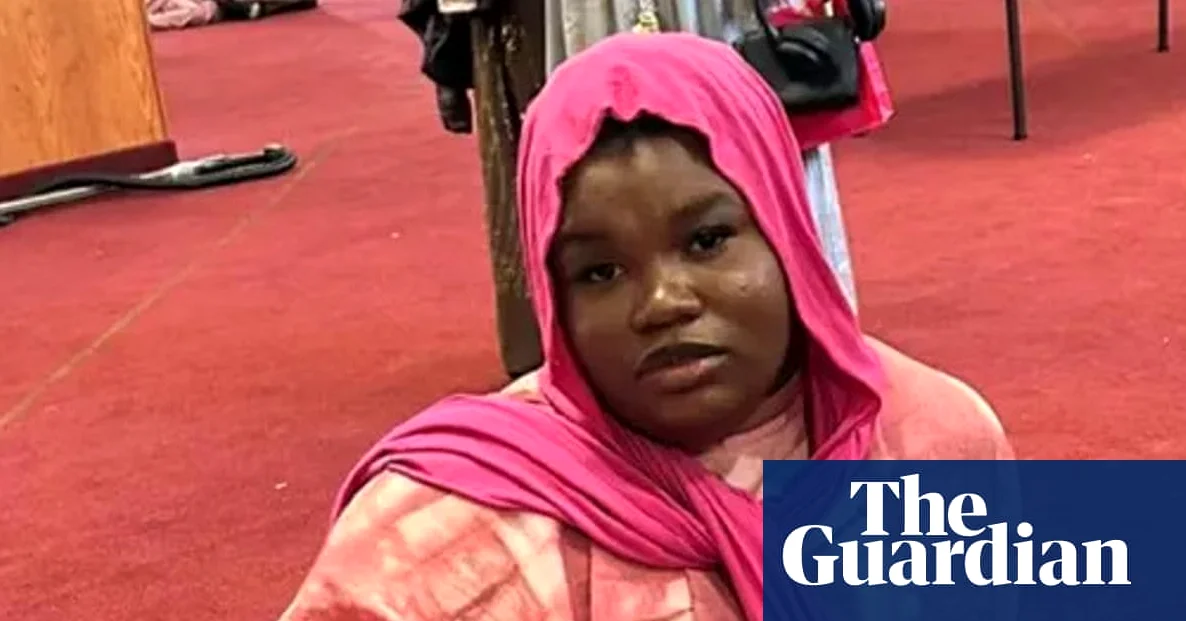
Rodiayat Alabede. An international student at the University of Winnipeg, died of cardiac arrest shortly after a plasma donation in October 2025 at a facility operated by the Spanish healthcare company Grifols. An initial investigation by Health Canada found no links between the plasma donation and her death.
But on Wednesday. Campaigners alleged that “significant medical discrepancies” had been uncovered between her autopsy, completed within two days of her death, and the medical summary drafted by Health Canada, dated 27 March. They accused the federal body of “covering up” details of her death.
Safety Concerns and Staff Failures
Kat Lanteigne, a safe blood campaigner who represents Alabede’s family, said that Alabede’s autopsy revealed she had a cardiomegaly, or enlarged heart. That condition would have put a “major strain” on her body while she was donating.
“We don’t know whether they screened her properly. We don’t know whether they responded to her donation process properly,” said Lanteigne, citing “damning” inspection reports by Health Canada immediately following Alabede’s death.
“They had staff taking plasma from donors who did not know how to extract plasma in a safe manner. They did not know how to respond to the codes in the machine, which would instruct them to stop the process. The [failures] were so egregious that … now we have more questions than answers.”
The inspection reports, viewed by the Guardian, found numerous deficiencies, including poor training for staff, failures in standard operating procedures, poor record keeping and a failure by Grifols to remedy past issues.
In some cases, staff were allowed up to four retakes of a failed quiz, testing their knowledge of operating procedures and safe use of machines, before corrective action was taken. The questions were not changed with each test.
Health Canada’s Findings and Grifols’ Response
The Health Canada reports also flagged issues with staff competency operating the machines, including how to respond to alarms.
“When Rodiyat was donating, we believe that alarms were going off instructing the staff members to stop her donation, and that was possibly not adhered to,” said Lanteigne. Whether or not Alabede knew of her condition, “Health Canada and Grifols had a duty of care to ensure that all aspects of her plasma donation had been investigated”.
The Health Canada report also found that staff did not stop plasma collection when alarms went off, and described the company’s reporting “incomplete” and “inaccurate”.
Grifols did not immediately respond to a request for comment about Lanteigne’s comments. But earlier this week, in response to Globe and Mail reporting about the November inspection report, Grifols said it had submitted detailed action plans to Health Canada for immediate implementation. The company also said it would work closely with the regulator to meet its licence requirements.
Lanteigne said she and others had written to Mark Carney, Canada’s prime minister, to ensure an investigation is reopened into Alabede’s death, and that Grifols’s license is suspended in the interim.
Plasma, the pale yellow liquid part of blood, is used to create medications for a number of conditions, including haemophilia, and to help treat burn victims.
Deaths from plasma donation are exceedingly rare. Only three fatalities have been documented in Canada in the last decade, all of which happened in Manitoba.






Comments
No comments yet
Be the first to share your thoughts