

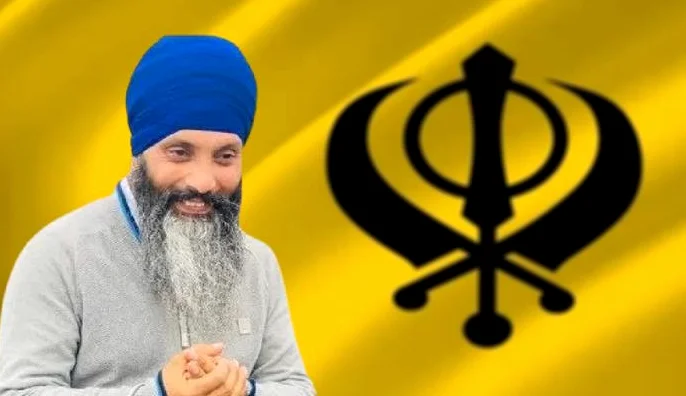
OTTAWA — Federal lawyers filed the application under Section 38 of the Canada Evidence Act as the case against four Indian nationals charged in Nijjar’s June 18, 2023, shooting death moves forward. The suspects—Amandeep Singh, Karanpreet Singh, Karan Brar and Kamalpreet Singh—were arrested in Alberta and Ontario in May 2024.
Nijjar, 45, died in a hail of bullets outside the Guru Nanak Sikh Gurdwara in Surrey, British Columbia, where he served as president. Indian authorities had listed him as a terrorist wanted for his role in the Khalistan Tiger Force and a plot to kill a Hindu priest in Jalandhar, Punjab. The National Investigation Agency offered a 10 lakh rupee reward for information leading to his arrest. He also linked to Sikhs for Justice.
The request to seal evidence revives tensions between Ottawa and New Delhi. Prime Minister Justin Trudeau claimed in September 2023 that his government had credible intelligence of Indian agents’ involvement. India rejected the accusation. Senior officials there say Canada shared no evidence through diplomatic or intelligence channels—not even before the G20 summit in New Delhi.
Canadian National Security Advisor Jody Thomas met Indian counterparts ahead of the summit. Still, no proof emerged linking India to the killing, one official said. He called Trudeau’s “credible allegation” claim an oxymoron. India denies any role and offers cooperation if Canada provides specifics through legal channels.
RCMP investigators suspect foreign actors, possibly using gangster Lawrence Bishnoi, according to Canadian media. The force has not confirmed details. The British Columbia Prosecution Service stayed silent on the federal proceedings, citing a pretrial publication ban.
This legal maneuver highlights the case’s delicacy. Global News first reported the court filing. It highlights Canada’s bind: balancing prosecution transparency with protecting intelligence sources amid a diplomatic rift.
India expelled a Canadian diplomat after Trudeau’s statement. Canada reciprocated. Ties soured further when Ottawa named former Indian diplomats as personas non grata. Trade minister Mary Ng visited New Delhi in June 2024 to discuss student visas and business, but core disputes linger.
Nijjar, born in Bhar Singhpura near Jalandhar, fled India in 1997. He built a trucking business in Surrey and rose in Khalistani circles. Canadian authorities viewed him differently, treating him as a community leader until his death.
The Federal Court will decide on the evidence seal. Prosecutors aim to use the material against the accused without public release. Defense lawyers may challenge the bid, arguing for open justice. No hearing date is set.
Diplomatic watchers see the move as Ottawa shielding whatever proof it holds. India maintains its stance: show us the evidence. The saga tests bilateral relations forged over decades of immigration and trade.

1 Comment