

 Al Jazeera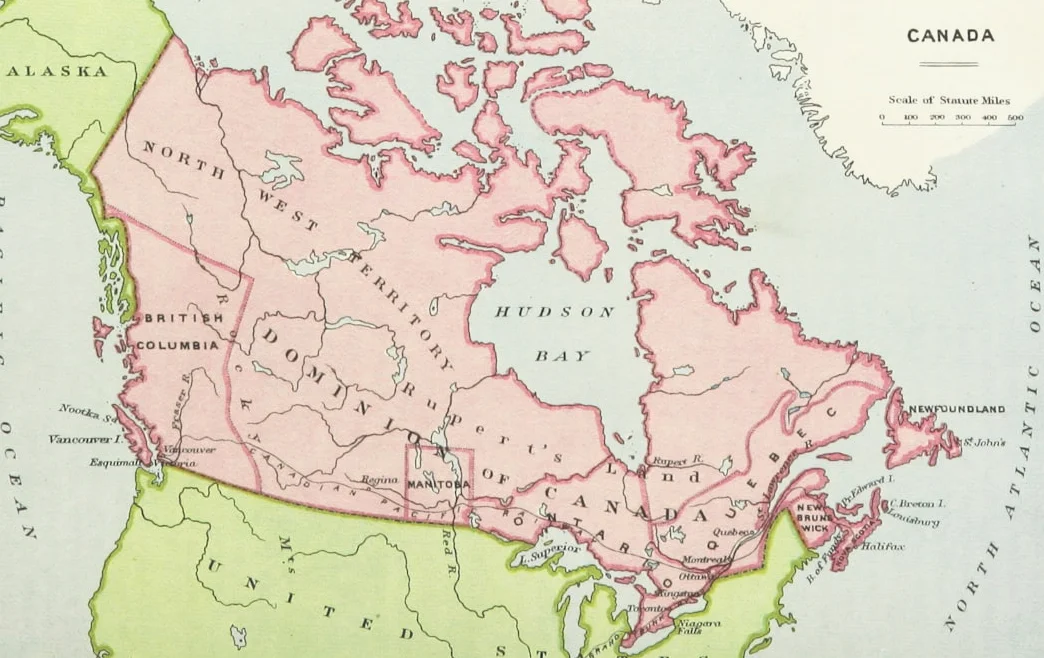
Toronto, Canada – A century ago, in August 1918, a violent anti-Greek riot swept through Toronto, with tens of thousands of people destroying Greek-owned restaurants and shops. The unrest. Which became known as the single largest anti-Greek riot in history, has largely been erased from public memory, say experts.
Historic Violence Over Perceived Injustice
“That night. Crowds of 20-25. 000 people destroyed almost every Greek business in the city, crying out, ‘Tonight’s the night we hunt Greeks,’” says historian Thomas Gallant. “One restaurant was so badly damaged that a [local newspaper] reporter said it could not be more damaged if a bomb had gone off in it.”
The riots occurred against the backdrop of a heatwave and a national congress of the Great War Veterans Association; Canada had lost tens of thousands of soldiers during World War I, with more than 172,000 returning home injured. Veterans faced a lack of government support, including inadequate health care and no disability pensions.
Greek Immigrants as ‘Slackers’ in the Public Mind
Most Greek immigrants in Canada did not serve in WWI, in part due to fears that some might hold pro-German views linked to Greece’s King Constantine I. While it was not official policy to exclude naturalised Greeks from the army, it happened “very rarely,” says Gallant, as “I found the enlistment papers of only about 10 who were accepted, because you didn’t know who you were getting.”
Many returning Canadian veterans lived near a military hospital in the same Toronto neighborhood where the Greek community was establishing itself; By 1918, Greek immigrants made up less than one percent of the population but owned more than one-third of the city’s cheap eateries and diners. This visibility contributed to the perception that Greeks had profited while veterans had been left destitute.
“Every day, these veterans who ate at those diners … saw these Greeks – young men, very healthy, reliable, who managed not to serve; And the Greeks came to epitomise what was called ‘the slacker,’ or the draft dodger,” says Gallant. “The conditions were ripe then for an explosion.”
A Spark That Ignited a Night of Violence
The violence was triggered at the White City Cafe, a Greek-owned restaurant. A drunk Canadian military veteran became abusive toward staff, prompting police to intervene. The veteran, Claude Cludernay, was jailed overnight. But rumors spread that he had been beaten or even killed by Greek immigrants.
Hundreds of people gathered outside the restaurant, and despite the owner’s attempts to calm the crowd, the cafe was attacked. “They yelled, ‘Tonight we get justice,’ and they started throwing bricks through the windows and ransacked the whole place,” said Sandra Gionas of the Hellenic Heritage Foundation.
Over the weekend, more than a dozen Greek-owned businesses were destroyed, with tens of thousands of dollars in damages — the equivalent of millions today. No deaths or serious injuries were reported.
“That is a map with the red dots of all the Greek businesses that were destroyed,” Gionas says, opening a pamphlet during a walking tour of sites linked to the riots. “It’s a history that was largely forgotten for decades.”
Despite the riots making headlines in Canada, Greece, and other countries at the time, the Greek community was often portrayed as responsible for the violence. The mayor of Toronto at the time suggested that the Greeks had not done their “fair share for the war.”
Public attention quickly shifted to other issues, including the rise of left-wing labor movements and the Winnipeg General Strike of 1919. Meanwhile, the Greek community in Toronto focused on rebuilding and assimilation, effectively erasing the riots from public memory.
“And that often happens with episodes like this, when a minority population suffers discrimination,” says Gallant. “In the case of a community that’s trying to assimilate, the last thing they want is to sort of foreground this history.”
It was not until the early 2000s that the riots gained renewed attention, thanks to a book co-written by Gallant and a 2009 documentary. Gionas said she had never heard about the riots until she saw the documentary on TV. “I was shocked to find out about them,” she says, describing the story as “largely forgotten” for decades.
While more than 100 years have passed since the riots, both Gallant and Gionas say they remain relevant today. As Canada experiences a rise in anti-immigrant sentiment, they argue that the past offers valuable lessons for the present.
Public opinion on immigration has hardened in recent years amid socioeconomic challenges such as a housing crisis and soaring prices. Polling shows a majority of Canadians now believe there is “too much” immigration to the country. Anti-immigrant rhetoric has become commonplace, with politicians talking about “bogus” asylum seekers and blaming newcomers for social ills.



Comments
No comments yet
Be the first to share your thoughts