

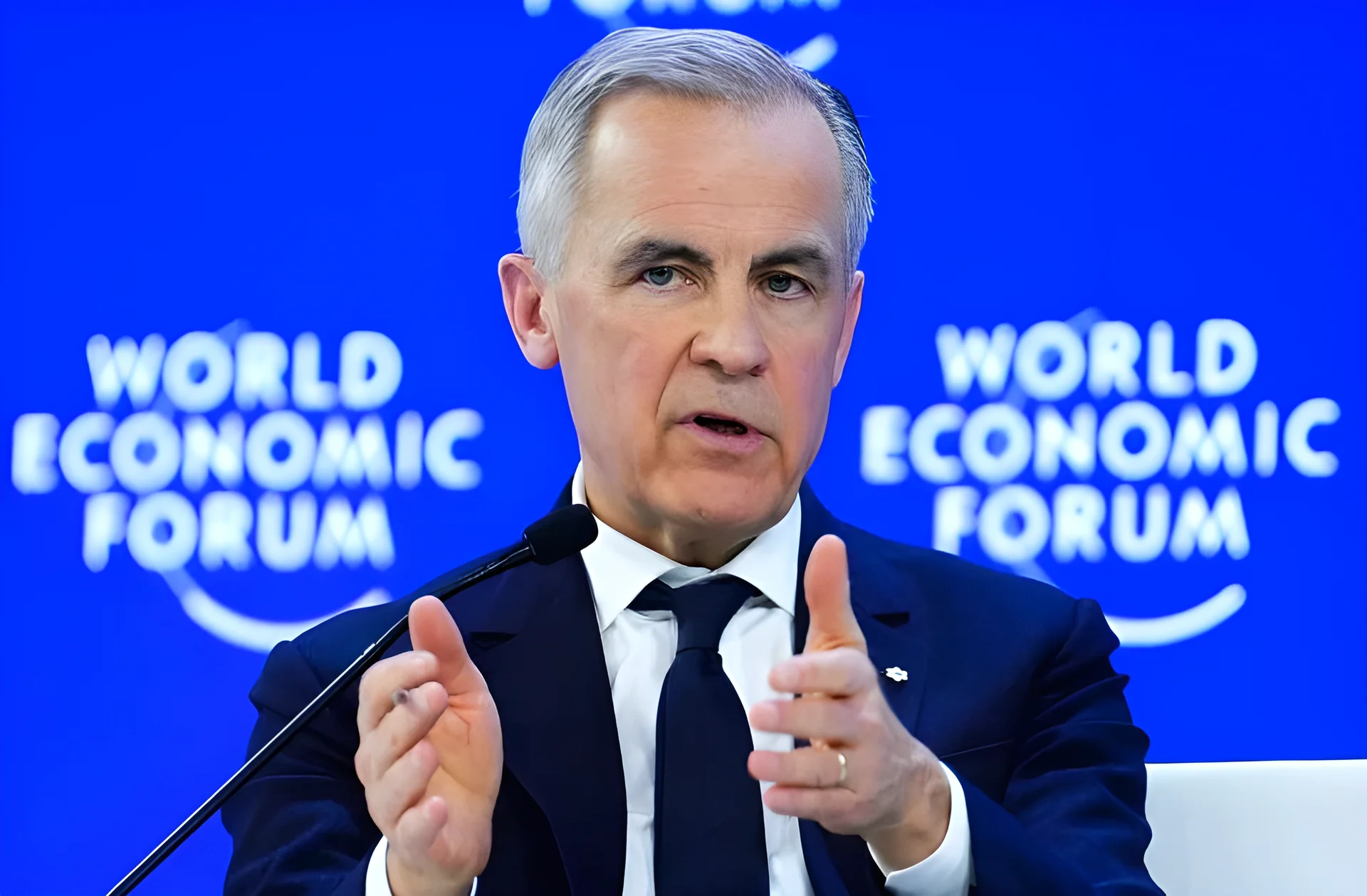
Canadian Prime Minister Mark Carney and Australian Prime Minister Anthony Albanese met in Canberra on Thursday, urging de-escalation of U.S.-Israeli military operations in Iran and emphasizing the importance of preventing Iran from acquiring a nuclear weapon. The two leaders met during Carney’s first official visit to Australia, part of a broader three-nation trip that included stops in India and Japan.
Regional Concerns and Nuclear Stakes
Carney emphasized the need for a broader de-escalation involving more countries than just the direct belligerents in the current conflict. ‘We want to see a broader de-escalation of these hostilities with a broader group of countries than just the direct belligerents involved,’ he said at a press conference, according to his office statement.
Carney added that de-escalation cannot be achieved unless Iran’s ability to acquire a nuclear weapon, develop one, and export terrorism is ended. ‘That process must lead to those outcomes,’ he said. The leaders’ comments come amid growing regional tensions, with Gulf states not directly involved in the conflict now facing attacks, including on civilian and tourist areas, according to Albanese.
Albanese reiterated the need for de-escalation, stating, ‘We want to see Iran cease to spread the destinations of its attacks.’ He also expressed concern over the ongoing threat posed by the Iranian regime, which he said affects not only the Middle East but also Australia. ‘I want to see the possibility of Iran getting a nuclear weapon removed once and for all,’ he said.
Historical Context and Diplomatic Efforts
The current situation follows years of diplomatic negotiations over Iran’s nuclear program. In 2018, then-President Donald Trump withdrew the United States from the Joint Thorough Plan of Action (JCPOA), a nuclear deal negotiated under former President Barack Obama. Iran had agreed to the deal in exchange for sanctions relief, but the U.S. exit led to a breakdown in diplomatic relations.
In the weeks leading up to the recent U.S.-Israeli strikes on Iran, diplomats from both countries had been in negotiations over Iran’s nuclear program. However, these talks did not prevent the recent escalation. Carney, when asked about Canadian military involvement, said, ‘One can never categorically rule out participation,’ but emphasized that Canada would support its allies when it made sense.
Carney expressed support for the strikes ‘with some regret,’ noting that the U.S. did not inform him in advance of the attacks. He also criticized the lack of consultation with allies, including Canada, stating that the U.S. and Israel ‘have acted without engaging the United Nations or consulting allies, including Canada.’
International Law and Diplomacy
During his trip to Australia, Carney criticized the ‘failure of the international order’ in explaining the recent U.S.-Israeli strikes. He said the actions ‘appear inconsistent with international law’ and called for diplomatic engagement to prevent a wider conflict. ‘Diplomatic engagement is essential to avoid a wider and deeper conflict,’ he said.
Carney emphasized the need to protect innocent civilians and urged all parties to commit to finding enduring agreements to end both nuclear proliferation and terrorist extremism. His comments highlight Canada’s growing concern over the potential for a broader regional conflict, particularly as the U.S. and Israel continue military operations against Iran.
Albanese echoed these concerns, stressing the need for a more thorough approach to de-escalation. ‘We’re seeing Gulf states that have not been involved attacked across the board, including the attacks on civilian and tourist areas as well,’ he said, adding that the international community must work to prevent further escalation.
The leaders’ meeting comes at a critical time, with the potential for further military actions and diplomatic fallout. The U.S. and its allies face mounting pressure to address the humanitarian and security concerns raised by the recent strikes, while Iran continues to push back against what it sees as external aggression.






Comments
No comments yet
Be the first to share your thoughts