

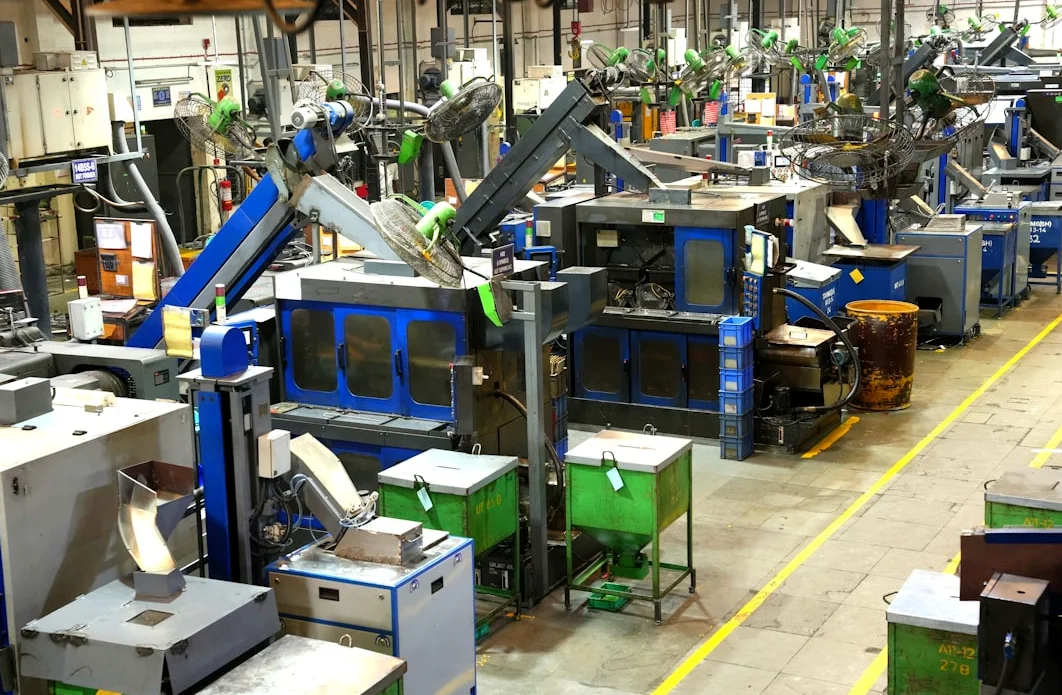
Statistics Canada has released an early estimate indicating that total manufacturing sales in Canada declined by 3.3% in January 2026. The advance data, based on a weighted response rate of 71.9%, highlights a notable contraction in the manufacturing sector, particularly in the transportation equipment and machinery subsectors, which saw the largest drops.
Key Sectors Experience Sharp Downturn
The transportation equipment sector, which includes the production of motor vehicles and parts, and the machinery sector, which encompasses industrial machinery and equipment, recorded the most significant declines. These sectors are crucial to Canada’s industrial base, accounting for a substantial portion of the country’s manufacturing output.
According to the advance estimate, the drop in sales for these sectors could signal broader economic challenges, particularly if the trend continues in the upcoming months. The data is not final and is subject to revision as more responses are collected, with a higher revision rate expected compared to the regular monthly release.
Response Rate and Data Reliability
The advance estimate was calculated using a weighted response rate of 71.9%, which is lower than the average final response rate of 92.9% recorded over the previous 12 months. This discrepancy highlights the potential for significant changes in the final figures once more data is processed and analyzed.
Statistics Canada has emphasized that while the current estimate provides an early indication of the sector’s performance, it should be interpreted with caution due to the higher likelihood of revisions. The agency continues to collect data for the January reference month, and the final results are expected to be released in the coming weeks.
“The advance estimate is an important tool for understanding early trends in the manufacturing sector,” said a Statistics Canada spokesperson. “However, we encourage stakeholders to consider the potential for revisions when making decisions based on this data.”
Economic Implications for Industry and Consumers
The decline in manufacturing sales could have ripple effects across the Canadian economy. With transportation equipment and machinery being major contributors to manufacturing output, a sustained downturn in these sectors could lead to reduced production, job losses, and slower economic growth.
For consumers, a contraction in the manufacturing sector may lead to higher prices for goods such as vehicles and industrial equipment, as supply chain disruptions and reduced production capacity could increase costs. Additionally, businesses that rely on manufacturing inputs may face higher operational costs, which could be passed on to consumers in the form of increased prices.
Analysts are closely watching the next few months to see whether this decline is a temporary fluctuation or the start of a more prolonged downturn. “If this trend continues into February and March, it could indicate a broader slowdown in the manufacturing sector,” said one economic analyst. “That would be a concern for both industry and government policymakers.”
Statistics Canada has also noted that the January data follows a period of relative stability in the manufacturing sector over the previous year, with no major downturns reported in the preceding months. However, the drop in January could be influenced by a variety of factors, including seasonal adjustments, global economic conditions, and domestic demand trends.
The agency has urged businesses and policymakers to monitor the situation closely as more data becomes available. The final results, expected to be released in the coming weeks, will provide a more accurate picture of the manufacturing sector’s performance and help inform future economic strategies.
For those seeking more information on the methodology, data quality, or concepts behind the survey, Statistics Canada has provided contact details, including a toll-free number, a local number, and an email address. Media inquiries can also be directed to the agency’s Media Relations department.






Comments
No comments yet
Be the first to share your thoughts