

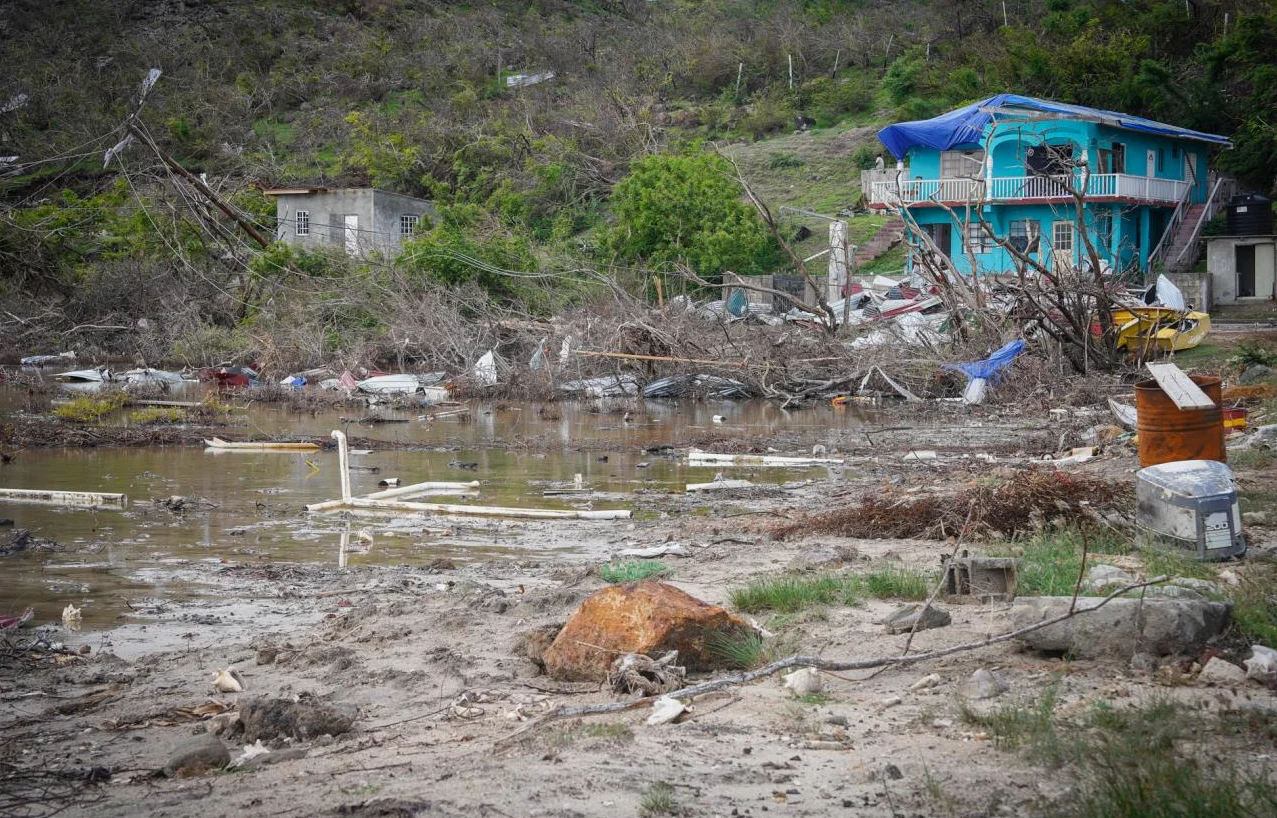
The Caribbean is confronting a deepening crisis as climate disasters, rising crime rates, and a public health epidemic of non-communicable diseases (NCDs) converge to threaten the region’s stability and future. This ‘Triple C Crisis,’ as described by Dr. Kelvin Seabrook, principal of The University of the West Indies Five Islands in Antigua and Barbuda, has become a defining challenge for the region, with real-world consequences for ordinary people.
Stories of Crisis in Everyday Lives
Seabrook’s perspective is shaped by the lived experiences of individuals across the region. In Anguilla, a man watches his sister in Cuba, whose life has been upended by the U.S. fuel blockade. The blockade has caused schools to close, aircraft to ground, and homes to be without power for up to 20 hours a day. The man’s mother wonders if she will ever see her son in Miami, who is preparing for his wedding, and whether she can obtain a visa to attend.
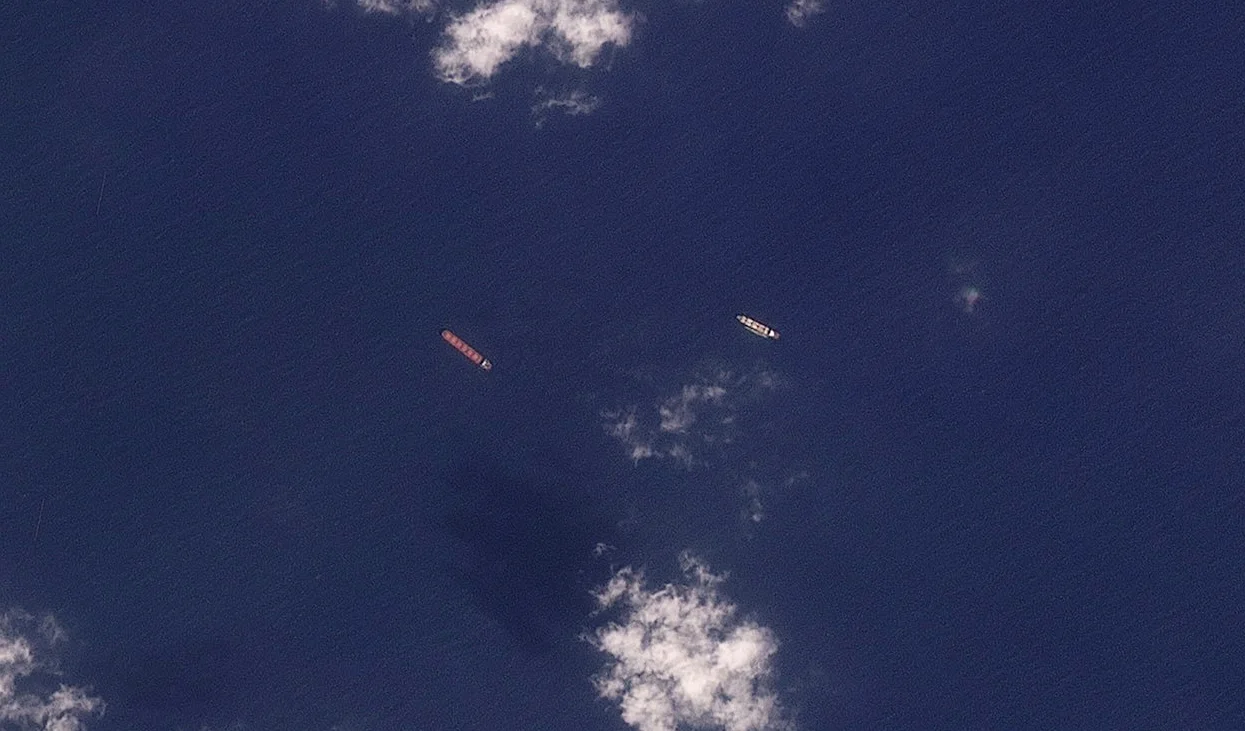
In St. Vincent and the Grenadines, a wife lies awake waiting for the sound of her husband’s boat engine. Since September 2025, the U.S. military has carried out at least 44 strikes against vessels in Caribbean and Pacific waters, resulting in at least 150 deaths. Many of the victims are believed to be fishermen, according to Human Rights Watch, which has called the strikes ‘unlawful extrajudicial killings.’
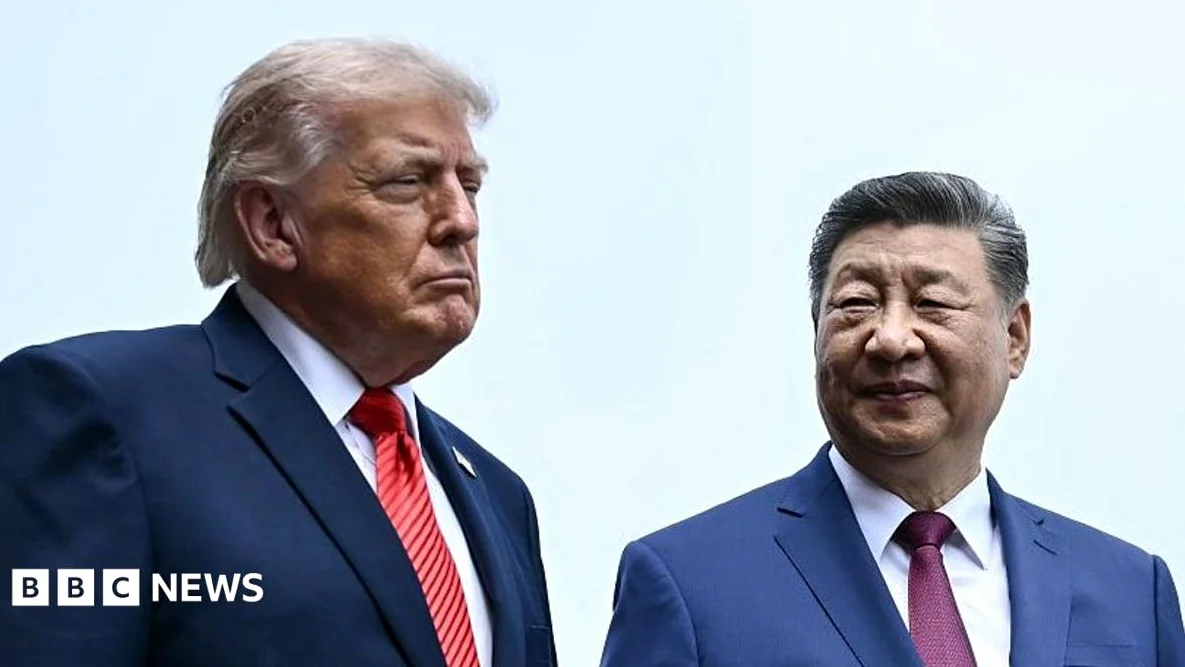
In Antigua, a sea moss vendor’s survival depends on sourcing bottles at the ‘China price.’ When the U.S. pressures Caribbean nations to cut ties with China, the vendor sees it as a matter of survival, not geopolitics. Similarly, in Grenada, a boutique owner relies on affordable fashion from Shein, a Chinese e-commerce platform, as global supply chains become increasingly politicized.
The Climate Crisis Is Here
The climate crisis has become a tangible reality. Hurricane Melissa, which struck Jamaica on October 28, 2025, was one of the strongest Atlantic hurricanes on record, with winds of 185 mph, killing at least 95 people and causing an estimated $48–52 billion in damages. Cuba’s eastern provinces, still recovering from the storm, face fuel shortages that hinder recovery efforts.
Coastal erosion, coral reef bleaching, and salinization of aquifers are further compounding the environmental challenges. The region’s vulnerability to climate change is exacerbated by its reliance on coastal resources and limited infrastructure to withstand extreme weather events.
The Crime Crisis Deepens
The Caribbean’s crime crisis is a persistent and growing threat. In 2024, Trinidad and Tobago recorded a homicide rate of approximately 45.7 per 100,000, and Jamaica recorded 40 per 100,000 — roughly eight to nine times the U.S. rate. The wife in Fancy, St. Vincent and the Grenadines, fears not only the threat of American missiles but also that her sons may become statistics in a crisis that predates foreign intervention and will outlast any foreign policy.
The influence of American-made guns and the opioid crisis has left a lasting mark on the region’s drug and crime landscape, despite the reluctance of some Caribbean leaders to acknowledge this connection. The U.S. military’s strikes on suspected drug trafficking vessels have only added to the region’s sense of insecurity.
The Health Crisis Looms
Caribbean nations are also battling a public health crisis, with over a third of the region’s adult population suffering from hypertension and barely a third having their blood pressure under control. Seabrook, who takes medication for his own condition, highlights the role of indigenous, nutritious foods like sea moss in addressing the issue. He notes that the sea moss vendor, without knowing it, is part of the solution to a region that imports too much of its food.
In the Eastern Caribbean, a community health worker runs a small initiative without government or foreign funding, screening for hypertension and diabetes in local churches. Her efforts, though unsung, are saving more lives than any political speech or regional summit.
What’s Next for the Caribbean?
With foreign priorities shifting and U.S. administrations changing, the Triple C Crisis will remain, according to Seabrook. The region must take more responsibility for its own future. The leaders of CARICOM spoke about the crises at their most recent summit, but the real work lies in the hands of the people, not just politicians.
The Caribbean’s survival depends on addressing these interlocking crises — through local action, regional cooperation, and a rethinking of global dependencies. As Seabrook puts it, ‘The question is not what the leaders say, but what we do.’

Comments
No comments yet
Be the first to share your thoughts