

 The Guardian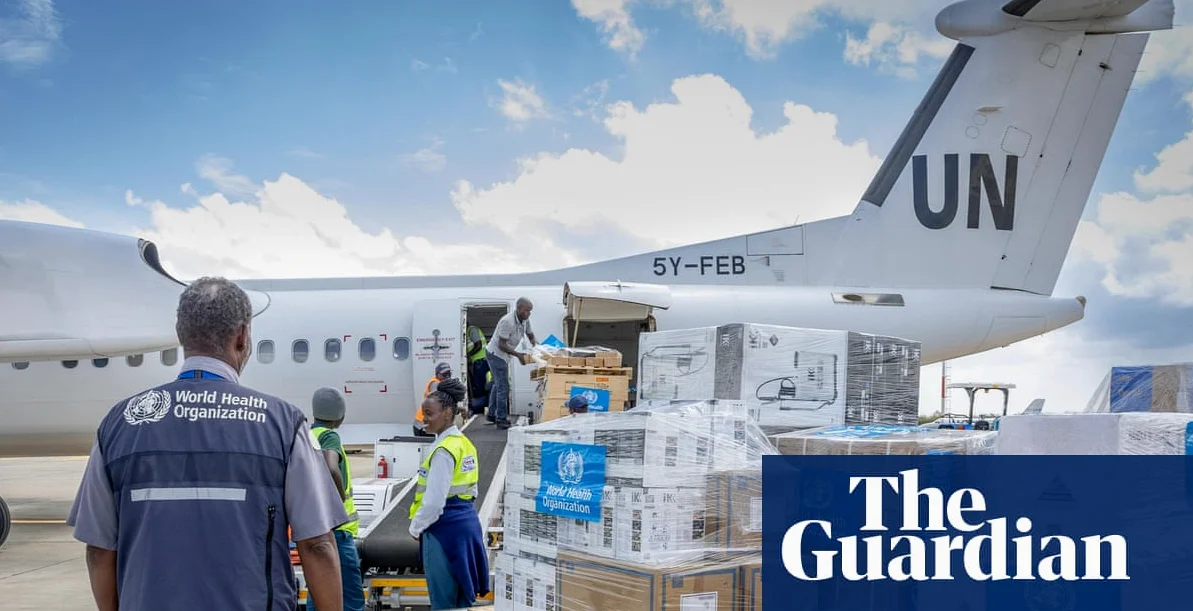
The director general of the World Health Organization (WHO) has expressed deep concern over the rapid spread of the Ebola outbreak in the Democratic Republic of the Congo (DRC). Dr. Tedros Adhanom Ghebreyesus noted that there have been at least 500 suspected cases and 130 suspected deaths in the country since the outbreak began, while Thirty cases have been confirmed in the north-eastern province of Ituri, with one confirmed case and one death in Kampala, Uganda. A US citizen has also tested positive and been transferred to Germany for treatment.
Public Health Emergency of International Concern
Tedros Adhanom Ghebreyesus declared the outbreak a public health emergency of international concern (PHEIC) in the early hours of Sunday — On Tuesday, he emphasized that this was the first time a director general had declared a PHEIC before convening an emergency committee. He stated that he had not made the decision lightly and reiterated his concern about the scale and speed of the epidemic. The WHO will hold its emergency committee on Tuesday to discuss how to control the outbreak.
Tedros told members of the World Health Assembly, who are meeting in Geneva, that the reported numbers are likely to change as field operations scale up. These efforts include strengthening surveillance, contact tracing, and laboratory testing. However, the situation remains precarious, particularly in urban areas where the virus spreads more easily.
Challenges in Ituri
WHO’s DRC representative, Anne Ancia, who is based in Bunia in Ituri, warned that the outbreak could last for an extended period. She pointed to a previous Ebola outbreak that lasted two years. The Ituri region, where most cases have been reported, is described as highly insecure. Ghebreyesus noted that conflict in the area has intensified since late 2025, with significant escalation over the past two months leading to civilian deaths. Over 100,000 people have been newly displaced.
Ancient history in the region adds to the complexity. An Ebola outbreak of the Zaire strain from 2018-2020 in Ituri and North Kivu provinces was the second deadliest on record, killing nearly 2,300 people. The international response at that time was complicated by widespread armed violence in eastern DRC, a situation that continues today.
Understanding the Virus and the Response
Ebola spreads through direct contact with bodily fluids from infected people or animals. The virus causes symptoms that can include high fever, vomiting, and internal and external bleeding. According to the WHO, the average fatality rate from Ebola is around 50%, varying from 25% to 90% in past outbreaks. The Bundibugyo strain, currently responsible for the outbreak, has no vaccines or treatments available.
Although more than 20 Ebola outbreaks have been recorded in DRC and Uganda, this is only the third time the Bundibugyo virus has been detected. Cases have now also been confirmed in Bunia and North Kivu’s rebel-held capital of Goma, as well as Mongbwalu, Butembo, and Nyakunde. Tedros highlighted the risks of the virus spreading in clinics and hospitals due to cases among health workers and the significant population movement in the area for work and due to conflict.
The United States officially left the WHO in January 2026, a move President Donald Trump attributed to the organization’s handling of the Covid-19 pandemic. This departure raises questions about the level of international support for the current response efforts in DRC.






Comments
No comments yet
Be the first to share your thoughts