

 BBC
BBC 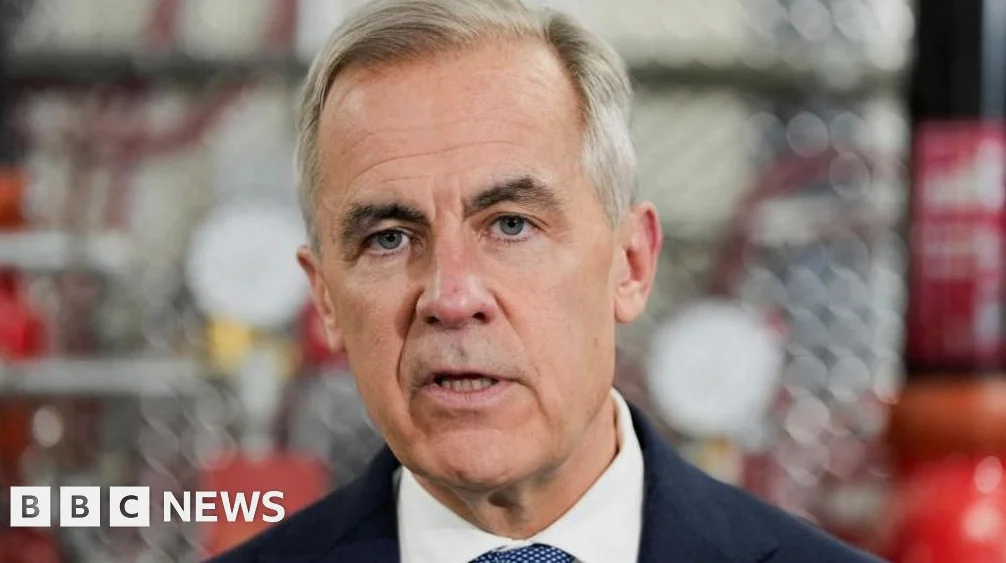
Canadian Prime Minister Mark Carney has called Alberta an ‘essential’ part of Canada, a day after the province announced plans to hold a vote on its future within the country, according to a BBC report. Speaking on Friday. Carney praised the ‘huge contributions’ the oil-rich province has made and emphasized his government’s ongoing efforts to improve the nation, including Alberta.
Separation Movement Gains Momentum
Alberta’s leader. Danielle Smith. Has faced growing pressure to hold an independence referendum this year; a petition calling for separation recently collected more than 300,000 signatures — the threshold required to trigger a vote. However, a successful legal challenge earlier this month by First Nations groups in the province halted the process of verifying signatures, placing the plebiscite in limbo.
The judge ruled that the Alberta government failed in its duty to consult with Indigenous Albertans before approving the petition — Smith has stated she disagrees with the court decision and believes Albertans should have a say in the matter, despite the current legal barriers.
Referendum Plans Move Forward
On Thursday. Smith announced that Albertans will vote on 19 October to determine whether the province should remain in Canada or if the provincial government should begin the legal process for a future binding referendum on independence. While the current vote is not binding, it represents a step toward a potential separation.
Smith emphasized that she would vote to keep Alberta in Canada, but her decision to hold a referendum on a future separatist vote has drawn criticism. The Sturgeon Lake Cree Nation called her government ‘undemocratic, authoritarian, and willing to bend to the whims of a loud, angry minority.’
Naheed Nenshi. Leader of the New Democratic Party in Alberta, criticized the vote as ‘needless’ and accused Smith of using it to delay action and remain in power. Meanwhile, Mitch Sylvestre, one of the leaders of the separation movement, told the Globe and Mail newspaper, ‘I feel duped.’
Legal and Political Challenges
In a Friday news conference. Smith defended her decision, stating that the province cannot ‘kick the can down the road’ on the independence question. She announced plans to campaign for the pro-Canada side all summer through town halls. ‘If you want to remain as I do, vote to remain,’ Smith said.
Smith also addressed concerns that she may be following the path of former British Prime Minister David Cameron, who called for the Brexit referendum. ‘I’m not afraid of the judgment of Albertans,’ she said. ‘You have to be prepared to have the debate, and you have to be prepared to defend your position.’
Carney, who spent much of his childhood in Alberta, responded to the developments in a taped video address from Parliament Hill. ‘Canada is the greatest country in the world, but it can be better, and we’re working on making it better. We’re working with Alberta on making it better,’ he said. ‘Alberta is essential’ to Canada’s future, he added.
Polls suggest that roughly 30% of Alberta’s 5 million residents support independence — a record high. Separatists accuse the federal government in Ottawa of stifling Alberta’s oil industry with excessive regulations and blocking investment over environmental concerns. Carney and Smith are working together on advancing a new oil pipeline, a project that was previously resisted by Carney’s predecessor, Justin Trudeau.
Smith has expressed hope that increased federal support for the oil industry could help reduce separatist sentiment. Her government is currently appealing the court ruling, a process she acknowledged could be lengthy. ‘I will not have a legal mistake by a single judge silence the voices of hundreds of thousands of Albertans,’ she said.






Comments
No comments yet
Be the first to share your thoughts