

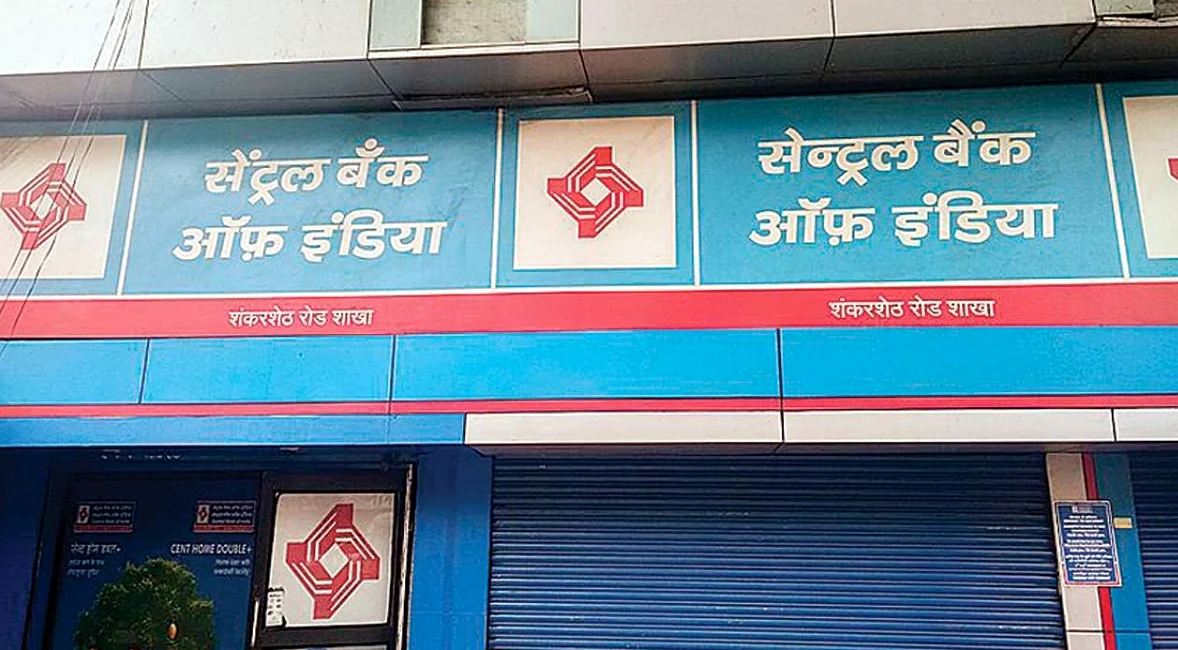
The Competition Commission of India (CCI) has given its nod to Central Bank of India’s plan to increase its shareholding in Generali Central Insurance Company Limited (GCICL) and Generali Central Life Insurance Company Limited (GCLICL). The approval, granted on March 5, 2026, allows the public sector bank to acquire an additional 1.09% equity in GCICL and 0.82% in GCLICL, solidifying its position in the insurance sector.
Strategic Move in Insurance Sector
This acquisition is part of Central Bank of India’s broader strategy to diversify its financial services and expand its footprint in the insurance industry. The bank’s increased stake in the two Generali subsidiaries comes at a time when the insurance sector in India is experiencing rapid growth, driven by rising consumer demand for life and general insurance products.
According to a statement from the CCI, the approval was granted after a thorough evaluation of the transaction’s impact on market competition. The commission noted that the increased equity stake would not lead to any anti-competitive behavior or market distortion, ensuring a level playing field for other insurers in the sector.
Central Bank of India currently holds a 15.41% stake in GCICL and a 13.18% stake in GCLICL. The new acquisition will bring these figures up to 16.5% and 14.0% respectively. This move is expected to enhance the bank’s influence in the insurance industry while providing it with new revenue streams and strategic partnerships.
Impact on Trade and Market Dynamics
The increased stake by Central Bank of India is likely to have a ripple effect on the insurance market. With the bank’s financial backing, Generali Central Insurance and Life Insurance are expected to expand their product portfolios and customer base. This could lead to increased competition among insurance providers, potentially resulting in better services and lower premiums for consumers.
Analysts suggest that the partnership between Central Bank of India and Generali, an Italian multinational insurance and finance company, could also lead to the introduction of innovative insurance products tailored to the Indian market. This includes digital insurance solutions and life insurance products with enhanced benefits.
According to a report by Financial Insights India, the insurance sector is projected to grow at a compound annual growth rate (CAGR) of 12.3% between 2025 and 2030. Central Bank of India’s increased stake is expected to contribute to this growth by using the bank’s vast customer base and Generali’s international expertise.
What Analysts Say
Economists and financial analysts have welcomed the CCI’s approval, noting that the move aligns with the broader trend of public sector banks diversifying their portfolios. ‘This is a positive development for both Central Bank of India and the insurance sector,’ said Anjali Mehta, an economist with the India Financial Research Institute. ‘It reflects the growing importance of insurance as a key financial service in India’s evolving economy.’
Mehta also emphasized that the approval by the CCI highlights the commission’s commitment to supporting a competitive and healthy insurance market. ‘The decision shows that the CCI is proactive in enabling strategic partnerships that benefit both domestic and international players,’ she added.
Looking ahead, the increased stake by Central Bank of India is expected to influence the competitive landscape of the insurance industry. With the bank’s financial strength and Generali’s global reach, the two firms are likely to introduce new products and services that could reshape consumer expectations and market dynamics.
The approval by the CCI is also a reminder of the regulatory environment’s role in facilitating such strategic moves. The commission has been proactive in approving similar transactions in recent years, including the merger of two major insurance firms and the acquisition of a private insurer by a state-owned bank.
As the insurance sector continues to grow, the partnership between Central Bank of India and Generali is expected to serve as a model for other financial institutions looking to diversify their services and expand their market presence.






Comments
No comments yet
Be the first to share your thoughts