

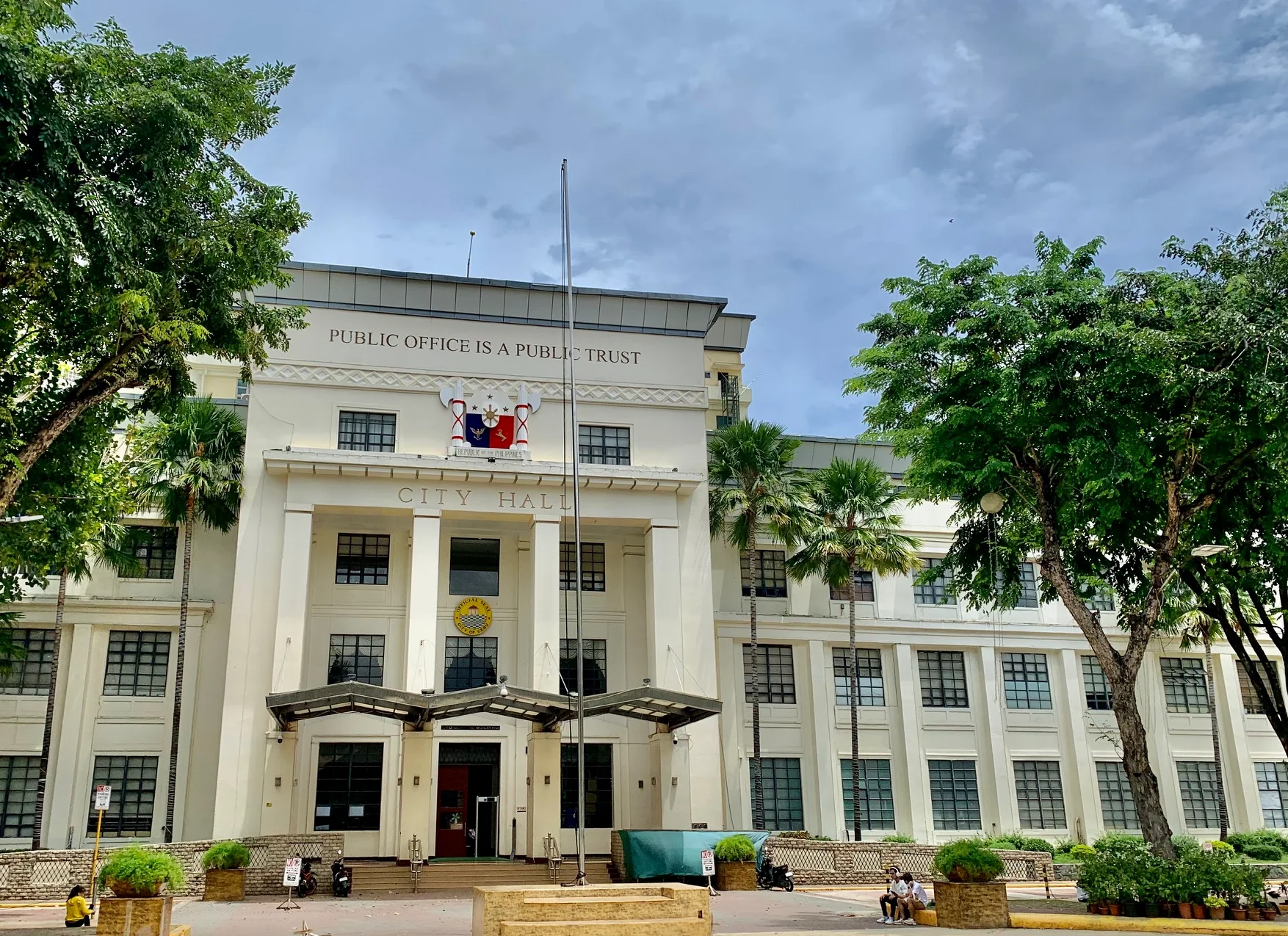
Cebu City officials have issued a directive requiring all government-owned vehicles to be powered down when parked, in a bid to cut fuel and electricity use. The policy, announced by Vice Mayor Tomas Osmeña on Tuesday, applies to all non-emergency vehicles, including those operated by the city government.
Anti-Idling Policy Targets Wasteful Practices
Vice Mayor Tomas Osmeña stated in a social media post that no City Hall vehicle is allowed to idle while parked, emphasizing that the practice is a misuse of public funds. ‘Mayor Nestor and I agree: Doing so is a waste of taxpayer money and will not be tolerated,’ Osmeña wrote.
The policy is part of a broader effort to implement energy-saving measures in the wake of rising fuel costs, which have been exacerbated by the ongoing Iran war and global tensions. A formal memorandum or executive order is expected to be released soon, aligning with broader belt-tightening measures in government operations.
Citizens are encouraged to report violations of the new anti-idling directive. Osmeña stated that the public can document incidents by recording the license plate of a vehicle and submitting it to either the Office of the Mayor or the Office of the Vice Mayor.
Energy Conservation Measures in City Hall
The anti-idling policy is one of several energy-saving initiatives being implemented within Cebu City Hall. These include stricter regulation of air-conditioning use, monitoring elevator operations, and maintaining a five-day workweek. The city government has also been tracking electricity consumption across departments to identify areas for improvement.
Mayor Nestor Archival stated during a press conference on March 9 that a department within the city government monitors power requirements daily. ‘We have noticed a decrease in consumption, but it is not that much,’ Archival said, highlighting that the city has already seen some success in reducing energy use.
Archival noted that the city government previously implemented practices such as limiting air-conditioning use during lunchtime. ‘From noon to 1 p.m., we switched them off when I was acting vice mayor. We were able to cut around ₱80,000 per month,’ he said.
The mayor encouraged offices to turn off air-conditioning units by 5 p.m., ideally by 4 p.m., to further reduce electricity consumption. He also emphasized that some air-conditioning units located in open corridors have been left running unnecessarily and ordered staff to ensure they are turned off by late afternoon.
Work Schedule Remains Unchanged
Archival stated that the local government will retain its regular Monday-to-Friday work schedule while exploring proposals aimed at improving efficiency in government operations. Among the ideas discussed were alternative work arrangements that could help reduce electricity use in government buildings.
However, officials decided to maintain the current schedule to ensure uninterrupted public service. ‘These are small things, but they will count,’ Archival said, emphasizing the importance of even minor energy-saving measures.
The city’s energy-saving measures come amid broader calls for conservation in the Philippines. President Ferdinand Marcos Jr. has urged Filipinos to practice energy conservation as the Iran war and tensions in the Middle East threaten to disrupt global oil supply and drive up fuel prices.
Cebu City’s initiative reflects a growing awareness of the need to reduce energy consumption in response to global oil supply uncertainties. The move is expected to have a measurable impact on the city’s energy costs and could serve as a model for other local governments facing similar challenges.






Comments
No comments yet
Be the first to share your thoughts