

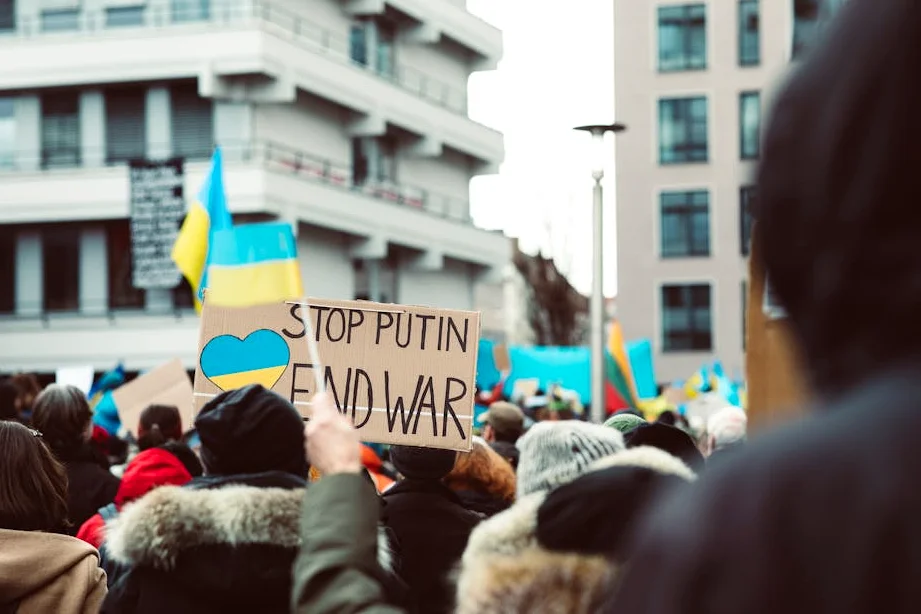
China has called for an immediate and complete cessation of hostilities between the U.S. and Iran, with Chinese Foreign Minister Wang Yi emphasizing the need for a fair and full agreement, according to a statement from the Chinese Ministry of Foreign Affairs. The war. Which began on February 28. Has disrupted regional energy infrastructure and global oil and gas supplies.
Iran’s Diplomatic Outreach to China
Iranian Foreign Minister Hossein Amir-Abdollahian’s visit to Beijing marks his first in-person visit to China since the war began, and Amir-Abdollahian has spoken with Wang by telephone on at least three occasions since hostilities erupted. During the meeting. Iran conveyed its position on the war, reaffirmed its ties with China, and sought continued economic and diplomatic support, according to Al Jazeera reporter Katrina Yu.
The timing of the visit is significant, as U.S. President Donald Trump is expected to visit China next week. The Iranian delegation also expressed appreciation for China’s role in peace efforts and its desire for a negotiated settlement with the U.S. Trump’s administration has reportedly pressured Beijing to influence Iran to reopen the Strait of Hormuz.
Humanitarian and Strategic Implications
China has announced $200,000 in emergency humanitarian aid to Iran, specifically to support families of children killed in an attack on a primary school in Minab, southern Hormozgan province. The assistance, according to Chinese Foreign Ministry spokesperson Lin Jian, reflects Beijing’s commitment to a shared future for humanity and its efforts to promote peace and stability in the region.
According to the UN High Commissioner for Refugees, over 1,300 people have been killed in Iran alone, with between 600,000 and one million families displaced. In Teherán, 503 people were killed and 5,700 injured as of March 16, according to local emergency services.
Analysts suggest that the U.S. military involvement in the Middle East has weakened its capacity to manage long-term conflicts in the region. The war has also diverted U.S. focus from Asia, where tensions with China persist. According to the New York Times, the U.S. has already spent large amounts of ammunition in the conflict, depleting reserves that might be needed for future disputes with China.
Trump’s Remarks and Market Reactions
U.S. President Donald Trump has suggested that the war with Iran is “so good as” over, according to a CBS News interview. “They have no navy, no communication systems, they have no air force,” Trump said, indicating that the conflict is nearing a natural conclusion. However, Iran’s Major Guard rejected Trump’s claims, stating that “the conditions on the battlefield and the end of the war lie in the hands of the Islamic Republic,” according to the Tasnim news agency.
Following Trump’s comments, global stock markets reacted positively. Japan’s Nikkei 225 index rose by about 3 percent, South Korea’s Kospi gained 5.5 percent, and China’s Hang Seng and CSI-300 indices also rose. On the energy markets, the price of Brent crude dropped to $89.20 per barrel, a decline of about $30 from the previous week, according to data from WEB.DE.






Comments
No comments yet
Be the first to share your thoughts