

 Reuters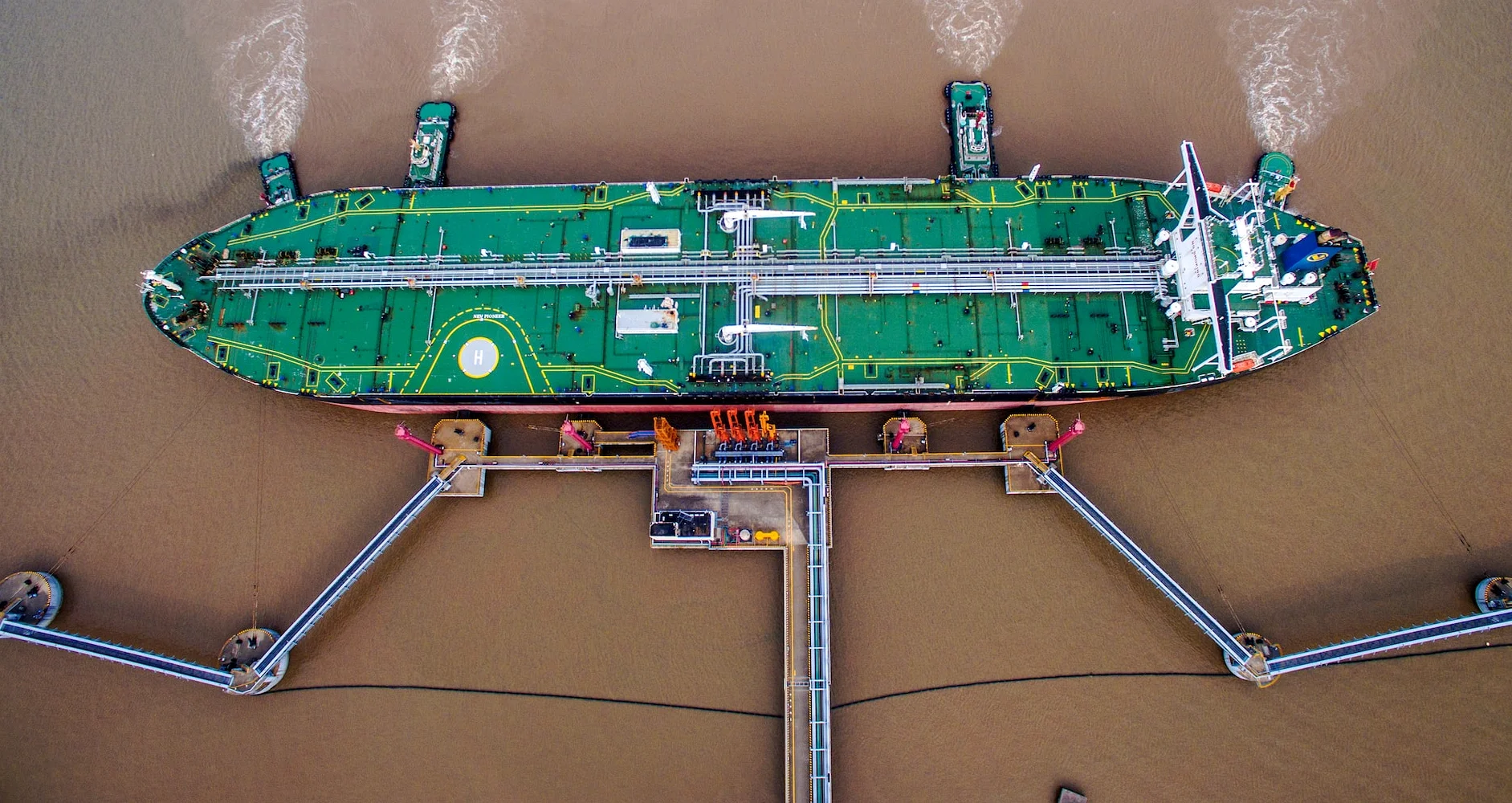
China is in advanced discussions with Iran to allow safe passage for oil and liquefied natural gas (LNG) vessels through the Strait of Hormuz, according to three diplomatic sources. The move comes amid heightened tensions as the U.S.-Israeli campaign against Iran intensifies, disrupting one of the world’s most critical shipping lanes.
Strategic Concerns and Global Supply Chain Impact
The Strait of Hormuz, through which approximately 20% of the world’s oil and 15% of its LNG passes, has become nearly impassable due to the conflict. Countries around the globe are now facing disruptions to a significant portion of their energy supplies. China, which relies heavily on Middle Eastern oil, is particularly concerned about the impact of the closure on its energy security.
According to the sources, China is pressing Iran to allow safe passage for its oil and LNG vessels through the strait. This would help alleviate the growing pressure on global energy markets and reduce the risk of further economic instability.
China imports about 45% of its oil through the Strait of Hormuz. With the current situation, the country is at risk of experiencing severe supply chain disruptions, which could lead to energy shortages and inflationary pressures.
Shipping Data and Market Reactions
Ship tracking data from Vortexa showed that a vessel named the Iron Maiden passed through the strait overnight after altering its signaling to indicate it was owned by China. However, far more such sailings will be needed to restore confidence in the global oil and LNG markets.
Crude oil prices have risen by more than 15% since the conflict began, driven by production stoppages and attacks on energy facilities in the Gulf. Iran’s missiles have also reached as far as Cyprus, Azerbaijan, and Turkey, further destabilizing global markets and prompting major economies to warn about potential inflation risks.
Vortexa data indicates that crude tanker transits through the Strait of Hormuz dropped sharply to just four vessels on March 1, the day after hostilities began, compared to an average of 24 per day in January. Approximately 300 oil tankers remain trapped in the Strait, according to Vortexa and ship tracker Kpler.
Regional Trade and Sugar Industry Insights
According to Mike McDougall, a veteran in the sugar industry, Middle East sugar executives have noted that some ships are currently transiting the Strait, all of which are either Chinese or Iranian-owned. However, there are reports that not all vessels are being allowed to pass through the strait.
Jamal Al-Ghurair, the managing director of Dubai-based Al Khaleej Sugar, told Reuters that some ships carrying sugar are currently allowed to pass through the Strait, but he did not provide further details on the conditions or restrictions in place.
Iran’s government has stated that no vessels belonging to the United States, Israel, European countries, or their allies will be allowed to pass through the Strait of Hormuz. However, the statement made no mention of China, indicating that the Islamic Republic may be considering exceptions for non-Western nations.
The ongoing conflict has created a complex and uncertain environment for global trade. As China seeks to secure safe passage for its energy vessels, the situation in the Strait of Hormuz remains a focal point for international diplomatic efforts and economic stability.





Comments
No comments yet
Be the first to share your thoughts