

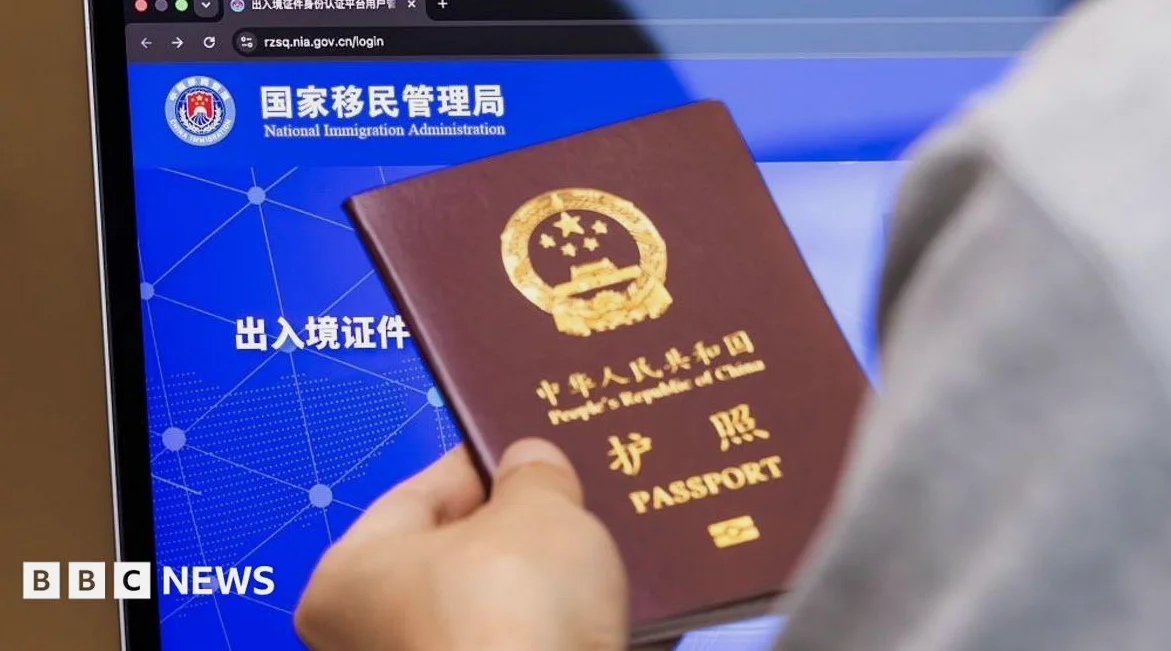
Chinese authorities are reportedly tightening travel restrictions for citizens, with some individuals unable to obtain passports without official explanation. Pipi, a man interviewed by Hong Kong media, said he was barred from getting a passport after participating in protests, though he was not given a written notice. ‘If they have given me an official document, I could apply for administrative reconsideration. But all they said was one sentence: ‘You can’t go,’ he said.
Administrative Loopholes
Under China’s Administrative Licensing Law, officials are required to provide written explanations when denying administrative licenses; However, Pipi and others said this is not always enforced. He added that he feared escalating the issue, fearing imprisonment. ‘I’m just an ordinary person, right?, I’m a young man, and I haven’t done anything bad,’ he said. According to publicly available information, citizens cannot independently verify whether they are subject to travel restrictions unless they attempt to apply for documents or leave the country.
Surge in Exit Bans
Data from rights group Safeguard Defenders indicates a significant increase in exit bans over the years; China’s supreme court database showed only 89 records mentioning exit bans in 2016, which rose to 188,760 by last year. The Ministry of Foreign Affairs and immigration authorities did not respond to BBC inquiries about these figures.
Broader Context of International Alliances
While China is tightening internal travel controls, neighboring countries are expanding their own international connections, Russia and North Korea are finalizing a direct road link across the Tumen River, connecting the Russian town of Khasan with North Korea’s Tumangang. The project was initially set to open on June 19, coinciding with the second anniversary of the strategic partnership treaty between Russian President Vladimir Putin and North Korean leader Kim Jong-un. However, delays in Russian infrastructure have pushed back the opening date — Satellite imagery shows North Korea has completed external facilities like customs warehouses and parking areas, while the Russian side remains under construction. The bridge is 1,000 meters long with two lanes, and the entire complex, including access roads, spans 4.7 kilometers.


Comments
No comments yet
Be the first to share your thoughts