

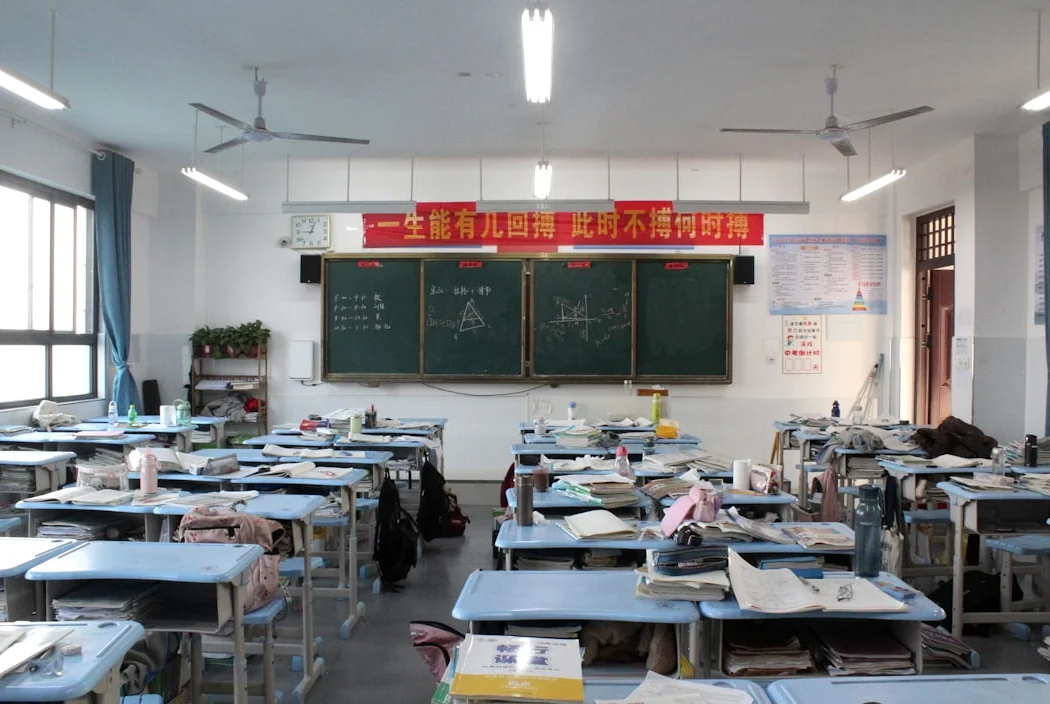
China is embedding artificial intelligence into its education system from an early age — the Ministry of Education has introduced guidelines that begin AI education at age six, aiming to prepare the next generation for a high-tech future. This development aligns with national priorities under President Xi Jinping, who has made AI a strategic focus for China’s technological advancement.
Early Introduction of AI in Curriculum
The new educational guidelines emphasize AI learning at every grade level; this initiative is part of a larger national strategy to cultivate AI expertise among students. The government sees this as a way to position China as a global leader in AI innovation. According to Al Jazeera. The goal is to turn today’s children into tomorrow’s tech leaders, ensuring they are well-versed in AI by the time they reach adulthood.
Educational Outcomes and Concerns
While the integration of AI into education is seen as forward-thinking, concerns have emerged about its effectiveness; a recent OECD report highlighted that overreliance on generative AI for learning might not lead to meaningful educational outcomes. The report. Titled OECD Digital Education Outlook 2026, cited studies from countries including China, Turkey, and the U.S. One study found that students using AI tools for learning showed less agency and more metacognitive laziness,relying on AI to do the cognitive work instead of engaging deeply with the material.
The OECD report noted that while AI can improve efficiency, it may also reduce the depth of learning when students outsource thinking to AI systems, this raises questions about the balance between technological assistance and active learning in AI-integrated education.
Global AI Education Trends and Concerns
China is not the only country exploring AI in education, while In South Korea, a recent controversy involved an audio clip that falsely claimed a high-profile relationship between two celebrities. The recording. Which was released at a press conference in Gangnam, Seoul, was reportedly fabricated using AI tools; the case has sparked debate about the risks of AI misuse and the need for clearer regulations around content.
Meanwhile, in the U.S., there has been a surge in AI-related courses aimed at helping learners understand and use AI tools. For example. Platforms like Coursera and edX offer a range of free AI courses, some of which are specifically designed to address ethical and business applications of AI. While these resources are accessible globally, most are in English, limiting their reach in non-English-speaking regions.
Back in China. The government’s push for AI education reflects a broader strategy to build a skilled workforce capable of competing in a global tech area, and However, as AI tools become more embedded in education, questions remain about how best to use them to enhance rather than replace traditional learning methods.






Comments
No comments yet
Be the first to share your thoughts