

 Al Jazeera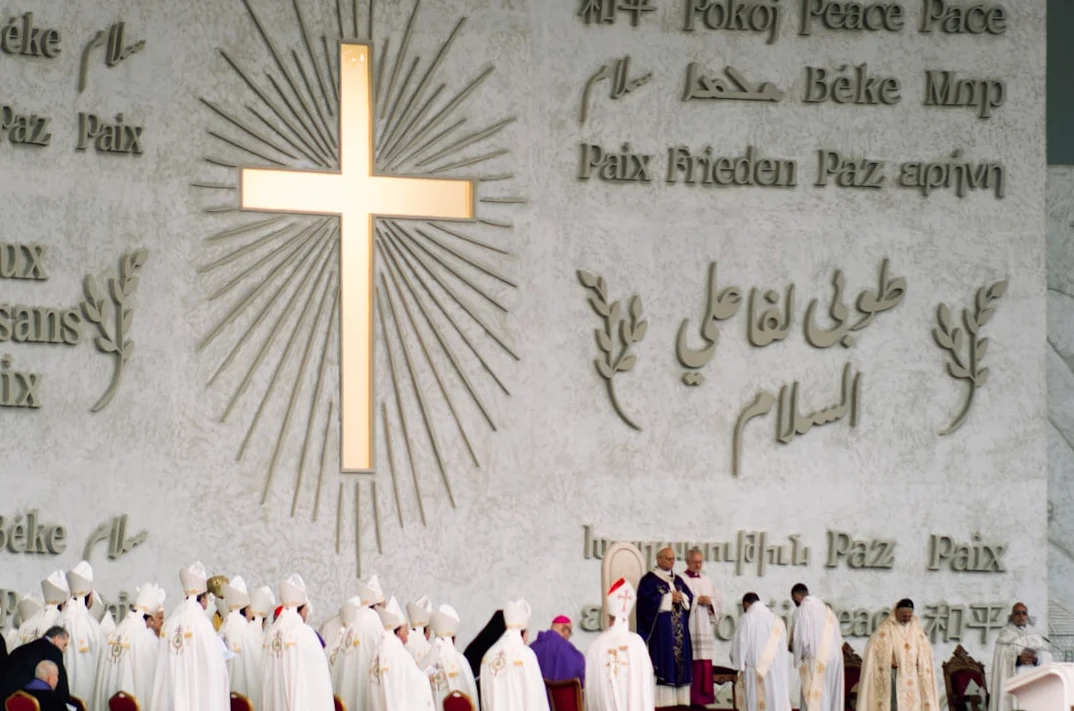
Christians across Lebanon observed Good Friday on April 3, 2026, praying for peace as Israeli strikes and evacuation orders continued across the country. The day. Marked by solemn rituals and reflections on the crucifixion of Jesus, took on added significance amid the ongoing conflict that has gripped the region.
Religious Services Amid Rising Tensions
Churches in Beirut. Tripoli, and other cities remained open, though with fewer attendees due to safety concerns. In Beirut’s Maronite Cathedral, a small group of worshippers gathered for a midnight Mass, their voices echoing through the hallowed halls as the city remained under a state of emergency.
Fr. Joseph Mansour, a local priest, said, ‘We are here not just to remember the suffering of Christ, but to pray for an end to the suffering of our people.’ The priest noted that many of his parishioners had left the city, following evacuation orders issued by the Lebanese government in response to the escalating Israeli airstrikes.
Across the country, Christians expressed a deep sense of sorrow and hope. In Tripoli, a group of young believers held a candlelight vigil, their chants for peace blending with the distant sounds of air raid sirens. ‘We are not asking for peace for ourselves alone, but for the whole region,’ said one participant, who asked not to be named.
Evacuation Orders and Civilian Impact
Lebanese authorities issued evacuation orders for several areas in northern Lebanon, including parts of the Bekaa Valley, which has seen a significant increase in Israeli military activity. The orders affected thousands of civilians, many of whom are Christians, who were forced to leave their homes under the threat of further attacks.
According to the United Nations, over 250,000 people have been displaced in Lebanon since the beginning of the conflict. Many of them are seeking refuge in neighboring countries, while others have been temporarily relocated to safer areas within Lebanon. The impact on the Christian community, which constitutes about 10% of Lebanon’s population, has been particularly acute, with many facing the loss of their homes and livelihoods.
Lebanese Prime Minister Najib Mikati stated in a recent address that the government is doing everything possible to protect its citizens. ‘We are working closely with international partners to ensure that our people are not further endangered,’ he said. However, many citizens remain skeptical of the government’s ability to control the situation given the complexity of the conflict.
International Reactions and Calls for Ceasefire
The international community has been closely watching the situation in Lebanon, with several countries calling for an immediate ceasefire. The United States has expressed concern over the rising civilian casualties and has urged all parties to de-escalate the situation.
French President Emmanuel Macron said in a statement that ‘the international community must act decisively to prevent further loss of life and to restore stability to the region.’ He also called for increased humanitarian aid to be delivered to affected areas, including those with significant Christian populations.
In a rare move, the Vatican issued a statement condemning the violence and urging all parties to return to the negotiating table. ‘The suffering of the people in Lebanon must not be ignored,’ the statement read. ‘We call for an immediate cessation of hostilities and a return to dialogue.’
While the calls for peace continue, the reality on the ground remains grim. For Christians in Lebanon, Good Friday was not only a day of reflection and prayer but also a stark reminder of the deepening crisis that continues to affect their lives and the lives of their neighbors across the region.






Comments
No comments yet
Be the first to share your thoughts