

A drone attack has struck the CIA station located in the Saudi capital, Riyadh, causing structural damage and prompting the closure of the US Embassy in Riyadh, as well as those in Lebanon and Kuwait. The incident, which occurred amid a wave of retaliatory strikes by Iran against US and Israeli targets, has raised concerns about the safety of US personnel and facilities in the region.
Structural Damage and Evacuation Measures
An internal State Department alert obtained by the Washington Post reported that the drone attack collapsed part of the embassy’s roof and contaminated the interior with smoke. The notice said the embassy sustained ‘structural damage’ and that personnel ‘continue to shelter in place.’ The extent of the damage to the CIA station, located on the embassy’s top floor and one of the largest in the region, was not immediately clear.
As a result of the attack, the US Embassy in Riyadh and embassies in Lebanon and Kuwait were closed as of today, with US citizens being advised to stay away until further notice. While the attack may be a minor setback for the CIA’s presence in Saudi Arabia, it could hold symbolic significance for the Iranian regime, which has long viewed the agency as an adversary.
Historical Context and Strategic Tensions
The attack comes as Iran has widened its retaliation across the Middle East following strikes by the United States and Israel. The Iranian regime has long been wary of US influence in the region, particularly due to Washington’s covert support for the 1953 military coup that ousted Iran’s elected prime minister. This historical grievance has fueled tensions between the two nations.
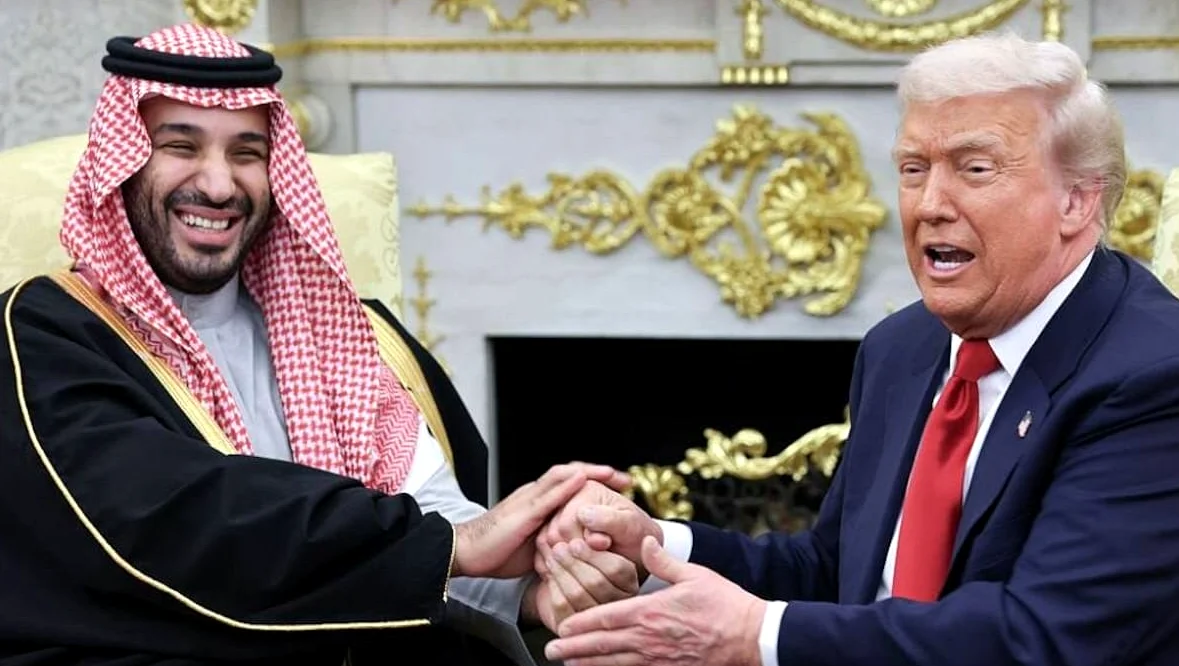
Saudi Arabia, a key US ally in the Middle East, has publicly advocated for a diplomatic solution to avert war, but private communications suggest a different stance. According to the Washington Post, Saudi Crown Prince Mohammed bin Salman made multiple phone calls to former President Donald Trump over the past month, advocating for a US attack on Iran. His position was reinforced by his brother, Saudi Defence Minister Khalid bin Salman, who held closed-door meetings with US officials in Washington in January.
Impact on Diplomatic and Military Relations
Trump’s designation of Saudi Arabia as a major non-NATO ally in January conferred military and financial privileges, including enhanced defense trade and security cooperation. The kingdom remains one of Washington’s most important partners in the Middle East due to its oil wealth and influence across the Arab world.
Former CIA officers who have worked in the region say the loss of the station is a disruption, but that there are work-arounds. ‘Drawdowns are a part of the business,’ said one former officer who served in the Middle East, who spoke on condition of anonymity. ‘The local liaison relationship is so tight I think the Saudis will roll out the red carpet to accommodate the spy agency personnel.’
A second former CIA officer said the agency has had experience with such disruptions over the years. ‘Having a drone strike destroy the office is much less disruptive than having a takeover of an embassy,’ he said, referencing the 1979 Iranian hostage crisis, when 66 Americans were taken hostage by students during the Iranian revolution.
Since the US and Israel carried out strikes on Iran on Saturday, with the US hitting what US Central Command said were more than 2,000 targets, Iranian missile and attack drones have struck Kuwait, Qatar, Israel, the United Arab Emirates, and other locations, including civilian targets. Today, the Pentagon released the names of four US soldiers killed in a drone attack in Kuwait: Sergeant First Class Nicole Amor, 39; Sergeant Declan Coady, 20; Captain Cody Khork, 35; and Sergeant First Class Noah Tietjens, 42. They were each with the 103rd Sustainment Command, an Army Reserve unit with headquarters in Des Moines, Iowa.
Two additional US soldiers were killed in the same attack and recovered from wreckage later. The Pentagon is expected to release their identities later this week. The incident highlights the growing risks for US personnel in the region as tensions continue to escalate.






Comments
No comments yet
Be the first to share your thoughts