

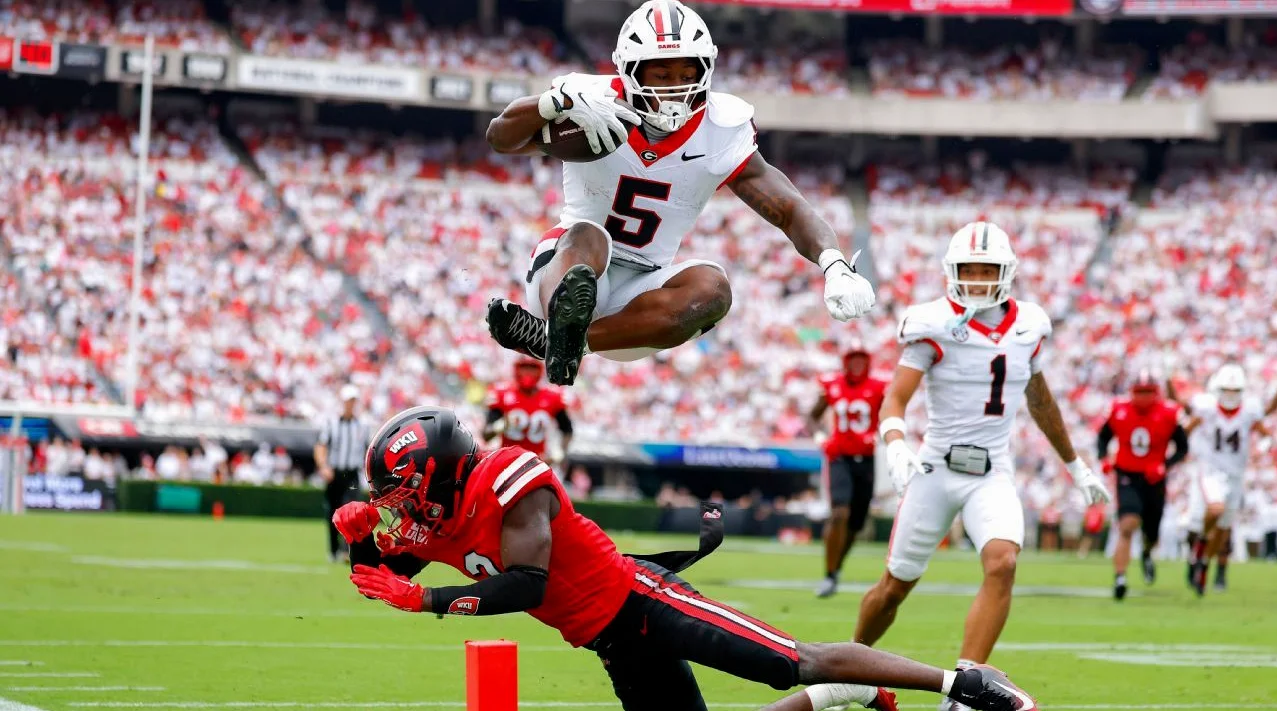
The College Football Playoff 2026 is already shaping up to be an SEC-dominated affair, with the conference holding an 84% chance to send four or more teams to the playoff, according to the Allstate Playoff Predictor. The Big Ten, by contrast, is at 16%; the ACC has a 56% chance to send two or more teams to the playoff, while the Big 12 stands at 41%. This growing disparity has reignited discussions about expanding the playoff to 24 teams.
Conference Bubble Watch: Who’s In, Who’s Out
Each week, the Bubble Watch provides a snapshot of which teams are leading their conferences and which are on the edge of inclusion or exclusion from the playoff. According to ESPN Analytics, Miami leads the ACC with a 50.8% chance to win its conference; the Hurricanes have started strong, outscoring their first two opponents 122-13, although their opponents included a depleted Stanford and FCS Florida A&M. The team’s ability to maintain dominance will be tested as the schedule gets tougher.
The Big Ten, meanwhile, is facing growing pressure as USC remains in the playoff conversation at No. 11, and If the playoff were held today, USC might be bumped to make room for Boise State, the projected Group of 6 representative. The Big Ten’s slim playoff odds are also being affected by early losses, such as Oregon’s defeat to Oklahoma State.
Controversial Hail Mary and NCAA Response
A controversial ending to the Michigan vs; Western Michigan game has sparked debate and an official NCAA review — On Sept. 5, Michigan won 13-12 on a last-second Hail Mary touchdown after one second was erroneously added to the clock. Western Michigan had already advanced the ball out of the end zone on the play, but the added second allowed the Wolverines to complete the pass. The Mid-American Conference (MAC) later requested the result be overturned, citing a failure to follow replay protocol.
The NCAA acknowledged that the replay protocol was not properly followed and that the outcome would have been different had the correct procedures been used, while the official statement noted that, according to Rule 1-1-3-b and Rule 5-2-9, once the referee declares the game over, the score is final. As a result, the outcome cannot be changed; the NCAA has since issued new guidance to prevent similar errors in future games.
In a memo from NCAA national coordinator of officials Ron Snodgrass, it was clarified that the official game time is determined by the in-stadium clock, not the broadcast or replay clocks. This move aims to establish a consistent protocol for timing across all college football games.
International Football Highlights
While the focus in the U.S. is on college football, international developments are also notable — In Spain, France Football magazine revealed the reasoning behind its decision to nominate Ferran Torres for the 2026 Ballon d’Or instead of Mikel Oyarzabal. The publication cited Torres’ decisive goal in the World Cup final against Argentina as the deciding factor, despite Oyarzabal’s strong season with Real Sociedad, including a Copa title.
In Germany, the Fursty Razorbacks of Fürstenfeldbruck are celebrating 40 years of American football in their community. Founded in 1986, the team has seen multiple promotions and success in regional and national leagues. The celebration includes a special event at the Ländestadion, highlighting the growth of American football in Germany since the 1980s, when the first European tours by U.S. college teams helped spark interest in the sport.





Comments
No comments yet
Be the first to share your thoughts