

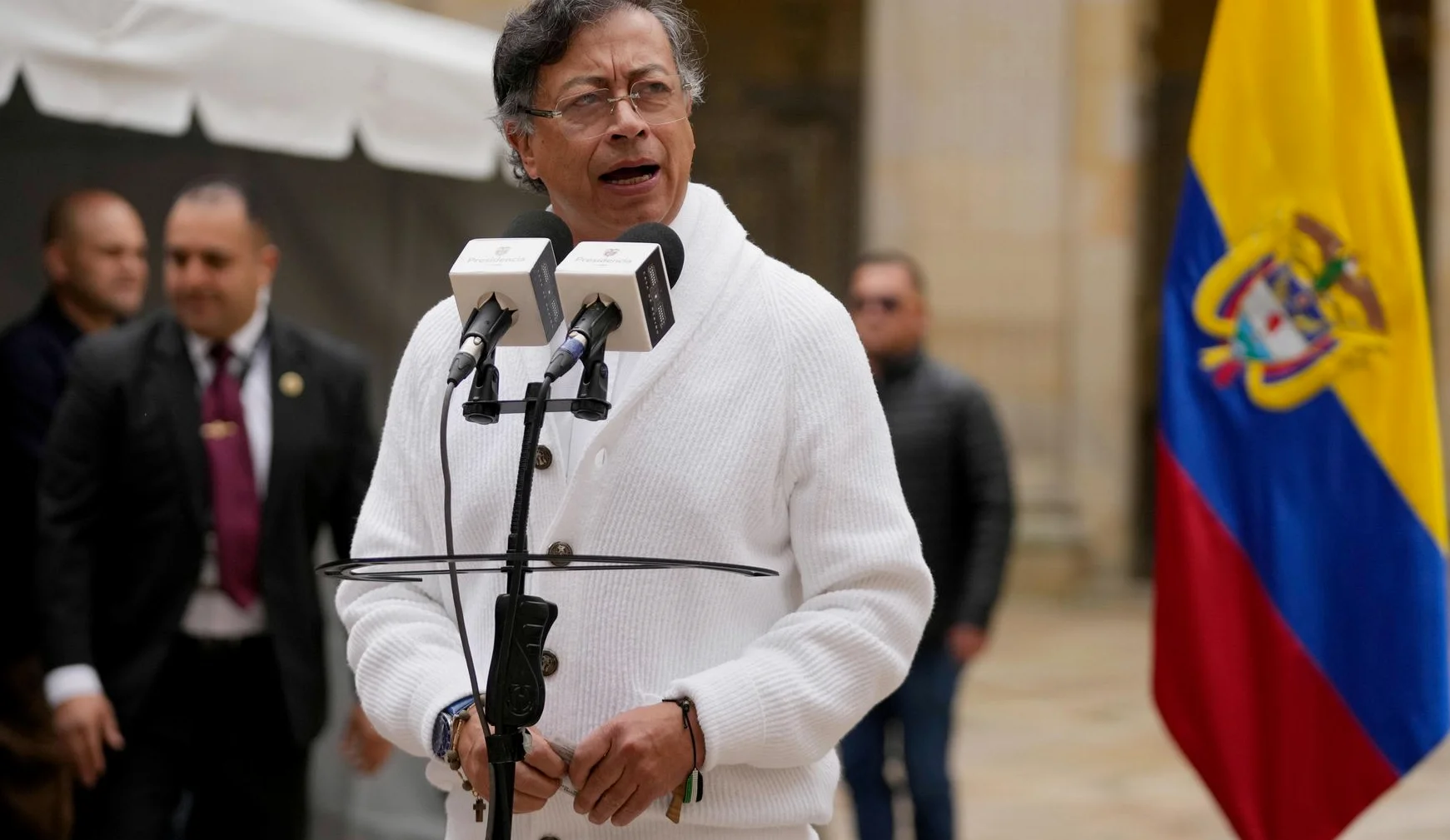
BOGOTA — In a significant election day, Colombians cast their votes for a new Congress and selected presidential candidates from three major political coalitions in a primary-style contest, setting the stage for a key May presidential election. The election took place amid heightened security concerns, with more than 126,000 law enforcement officers deployed nationwide to prevent political violence, particularly in rural areas controlled by illegal armed groups.
Political Landscape and Constitutional Constraints
President Gustavo Petro, Colombia’s first left-wing leader, is ineligible for reelection due to constitutional restrictions that bar a sitting president from seeking a consecutive second term. His administration has seen Congress increasingly act as a counterweight to his policies, a shift from previous administrations where the legislature typically aligned with the executive.
Petro has raised concerns about the integrity of the country’s election software, citing the 2022 legislative elections when his Historic Pact movement gained over 390,000 votes after a recount. He attributed the change to the presence of election observers, a point that has drawn attention from international observers.
The European Union has deployed 40 election observers in early February and indicated plans to expand the delegation for the congressional vote, highlighting the international interest in ensuring the election’s credibility.
Competitive Congressional Race
More than 3,000 candidates are vying for 285 legislative seats — 102 in the Senate and 183 in the House of Representatives — with 41.2 million eligible voters. The results of this election will shape the political landscape for Colombia’s next president, as the new Congress will play a crucial role in shaping policy and legislative priorities.
Current lawmakers have approved some of Petro’s reforms, such as pension and labor overhauls, but rejected his health care and tax proposals, leading to frequent tensions between the executive and the legislature.
The right-wing opposition, led by the Democratic Center, is seeking to regain dominance in the political sphere. The party has been influenced by former President Álvaro Uribe, who is mobilizing his supporters to secure a strong legislative presence before the presidential race.
Presidential Candidates and Primary Dynamics
Alongside the congressional vote, Colombians selected candidates from the country’s three major political blocs — the center, the center-left, and the right — in interparty consultations. These consultations, similar to American primary elections, will determine who will run in the May 31 presidential election.
Presidential hopefuls have historically used these primaries to gauge their support and consolidate backing. Petro’s success in the 2022 primary, where he ran alongside Francia Márquez, who later became his vice president, is a notable example of this strategy.
However, the two leading candidates in current polls — leftist Iván Cepeda, from Petro’s party, and far-right Abelardo de la Espriella — are not participating in the primaries, which are optional. Analysts suggest this may indicate a shift in strategy, as both candidates have already built strong support bases.
Political analyst Gabriel Cifuentes noted that the primaries are a high-stakes gamble for participants, as a victory on Sunday only holds value if it demonstrates enough strength to compete with Cepeda and de la Espriella, who are currently leading in the polls.
The election, which took place under a heightened security presence, reflects the complex political and security dynamics in Colombia. With the results set to shape the nation’s political direction, the outcome will have lasting implications for policy, governance, and the country’s stability.






Comments
No comments yet
Be the first to share your thoughts