

 BBC
BBC 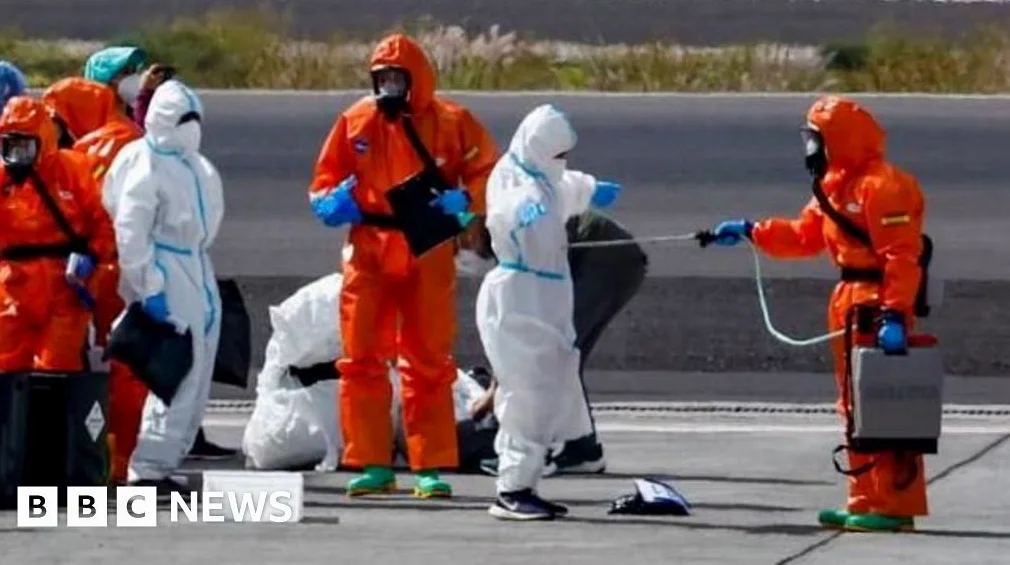
Evacuees Undergo Quarantine Procedures
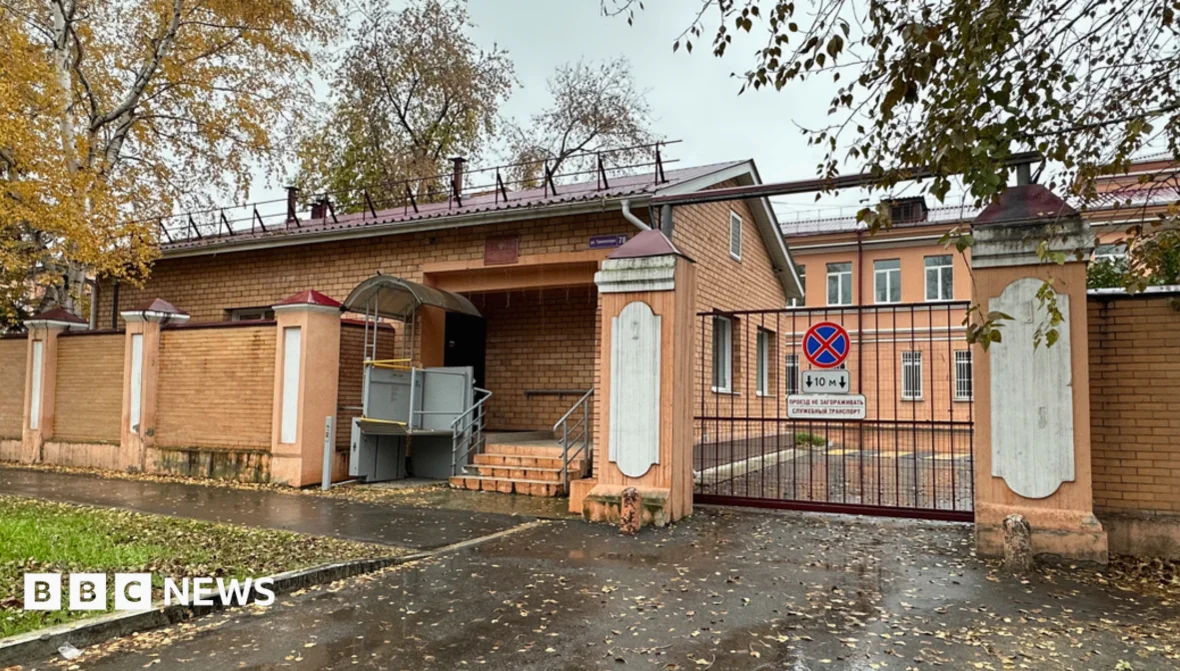
Fourteen Spanish nationals evacuated from the Dutch cruise ship MV Hondius were flown to Madrid and placed in mandatory quarantine at a military hospital, the BBC reported. They were followed by French nationals taken to Paris and Britons to Manchester; the evacuation process involved staff in Tenerife donning white hazmat suits and hosing down evacuees on the airport tarmac.
Outbreak Details and Repatriation Plans
Three people have died in the outbreak on the MV Hondius, including two who were confirmed to have had hantavirus; Flights for Turkish, Irish, and U.S. citizens are also planned for Sunday, with other countries preparing repatriation flights. Spain’s Health Minister Mónica García stated the operation was “proceeding normally” and that all passengers aboard the MV Hondius were asymptomatic.
Quarantine and Evacuation Logistics
The MV Hondius docked near Granadilla before dawn on Sunday, a month after the first passenger’s death — a plane bound for the Netherlands is expected to take 27 people, including Belgian, Greek, German, and Argentine citizens. Other flights are set to depart. Including one to the U.S; the last evacuation flight is expected to leave for Australia on Monday.
Passengers face self-isolation after leaving Tenerife, as the virus has an incubation period of up to nine weeks. The World Health Organization (WHO) recommends a 42-day quarantine period for the cruise passengers from their last exposure. UK passengers will be taken to an isolation facility for up to 72 hours, where medics will assess whether they can isolate at home or another suitable location.
Health preparations included a strict security perimeter of one nautical mile around the ship and dozens of intensive care specialists on standby at Candelaria hospital. A strict isolation facility at the hospital has one bed fully equipped to handle infectious diseases, including testing kits and a ventilator. Chief intensive care doctor Mar Martin said the team was “absolutely ready” to manage the virus, which they described as similar to other viruses they treat regularly.
Health Minister Mónica García called the operation “rare,” while WHO Director-General Tedros Adhanom Ghebreyesus said the operation was “going very well.” The outbreak has been linked to a landfill site in southern Argentina, where the virus is carried by rodents and is rare for human-to-human transmission. Adhanom Ghebreyesus urged Spaniards to trust the government’s preparedness, noting the low risk of wider contagion.
Concerns arose briefly when the president of the Canary Islands, Fernando Clavijo, initially refused to permit the ship into port, claiming a potential risk if a rat carrying the virus escaped. However, the central government in Madrid intervened, and the health secretary clarified that such a scenario was not a risk. Despite initial protests from port workers, most residents in Tenerife expressed reassurance that the risk was low.
“The virus is dangerous, of course. But they say you need to have very close contact to get it. If we’re careful, we hope it’s not too serious,” said a local woman named Jennifer. Some 30 crew members will remain on board to return the ship to the Netherlands, but for most passengers, the long weeks of fear and uncertainty at sea are finally ending. Now comes the long period of quarantine.



Comments
No comments yet
Be the first to share your thoughts