

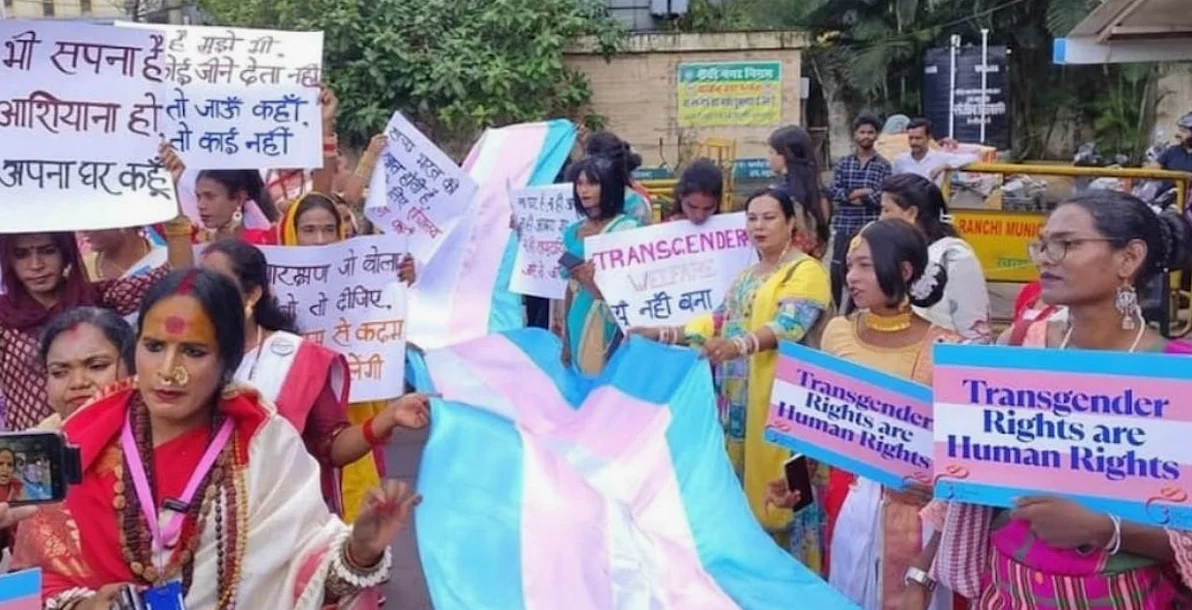
The Communist Party of India (Marxist) (CPI(M)) has strongly opposed the Transgender Persons (Protection of Rights) Amendment Bill, 2026, asserting that the proposed changes to the legislation undermine the principle of self-determination of gender identity and violate fundamental constitutional rights. In a public statement, the CPI(M) called for the withdrawal of the bill, emphasizing that any legislation affecting the rights of marginalized communities must be preceded by extensive consultation with relevant stakeholders.
Concerns Over Bureaucratic Oversight
According to the CPI(M), the proposed amendments to the Transgender Persons (Protection of Rights) Act remove the recognition of self-perceived gender identities and instead require certification from a medical board headed by a chief medical officer. The bill also grants the district magistrate the authority to review such certifications before issuing identity documents, a provision the party claims subjects transgender individuals to invasive bureaucratic and medical scrutiny.
The CPI(M) Politburo criticized the amendments, stating that they negate the principle of gender self-identification recognized by the Supreme Court in the landmark NALSA (National Legal Services Authority) v. Union of India judgment of 2014. The party warned that the changes would violate Article 21 of the Constitution, which guarantees the rights to privacy, dignity, and personal autonomy.
The CPI(M) has accused the government of drastically narrowing the definition of transgender persons in the proposed bill, which they argue would exclude many individuals who identify as transgender but do not meet the new criteria. This, they claim, would further marginalize an already vulnerable community.
Call for Inclusive Consultation
In a detailed statement, the CPI(M) emphasized that any legislative changes affecting the rights of specific communities must be introduced only after extensive consultation with stakeholders, including transgender individuals, activists, and legal experts. The party expressed concern that the current draft of the bill was developed without such inclusive dialogue, leading to what they described as a top-down approach to policymaking.
The CPI(M) also pointed to the lack of transparency in the legislative process surrounding the amendment. They highlighted that the proposed changes were introduced without public debate or detailed explanation, which they argue is a violation of democratic principles. The party has called on the government to hold public consultations and revise the bill to align with constitutional and judicial interpretations of gender identity.
According to CPI(M) leaders, the proposed amendments not only contradict the Supreme Court’s ruling on gender self-identification but also set a dangerous precedent for future legislation targeting other marginalized groups. The party has urged the government to reconsider the bill and ensure that the rights of transgender individuals are upheld in a manner that is both inclusive and respectful of their autonomy.
Broader Implications for Women’s Rights
Beyond its opposition to the Transgender Persons (Protection of Rights) Amendment Bill, the CPI(M) has also raised the issue of menstrual leave for working women. The party has demanded that the government introduce policies allowing women to take leave during their menstrual cycles, citing the physical and emotional toll of menstruation on women in the workforce.
CPI(M) leaders argued that menstrual leave is a critical step toward gender equality and workplace inclusivity. They cited studies indicating that women often face significant discomfort and pain during menstruation, which can affect their productivity and overall well-being. The party has called for the implementation of such policies in both the public and private sectors, emphasizing that it is a matter of basic human dignity.
The CPI(M) has also highlighted the economic implications of not providing menstrual leave, noting that women are often forced to take unpaid leave or work through their periods, which can lead to long-term health issues and reduced productivity. They have urged the government to take immediate action to address this issue as part of broader efforts to promote women’s rights and welfare.
According to CPI(M) officials, the issue of menstrual leave is not only a matter of social justice but also a practical necessity for ensuring the health and productivity of the female workforce. They have called on the government to introduce legislation that guarantees menstrual leave as a statutory right for all working women, regardless of their employment sector.
The CPI(M) has reiterated its stance that both the Transgender Persons (Protection of Rights) Amendment Bill and the lack of menstrual leave policies represent systemic failures in addressing the rights and needs of marginalized communities. They have called for a thorough review of existing legislation to ensure that it aligns with constitutional principles and promotes inclusivity and dignity for all citizens.






Comments
No comments yet
Be the first to share your thoughts