

 Reuters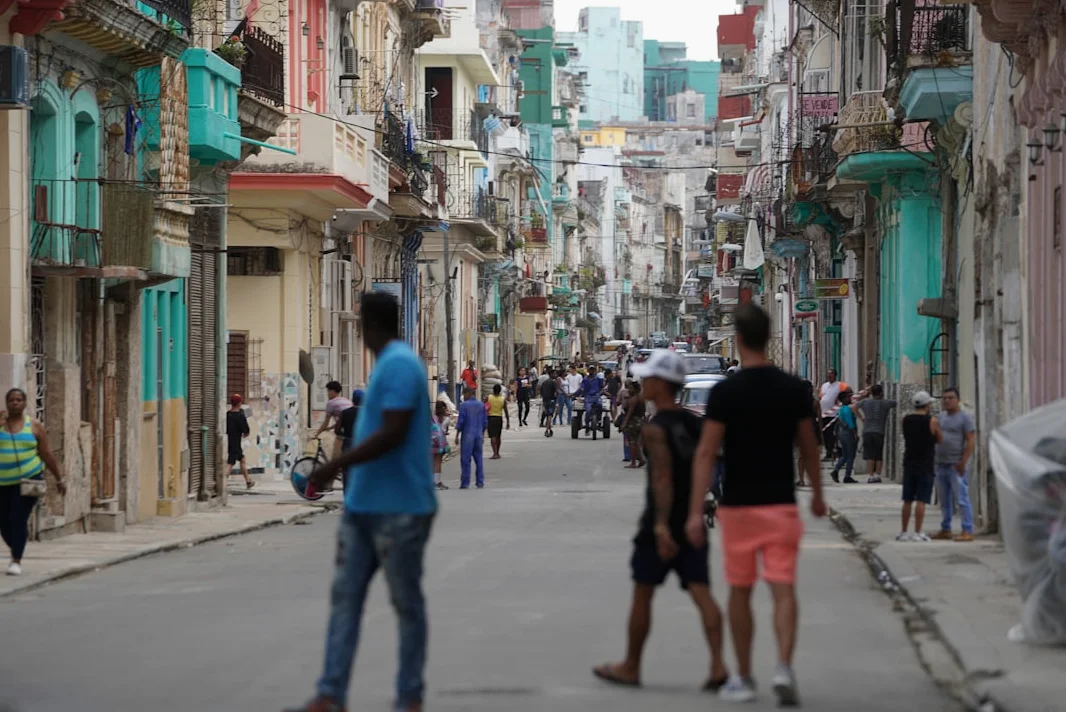
HAVANA — Anti-government protesters attacked a Communist Party office in northern Cuba early on Saturday, marking a rare public outburst of dissent over worsening blackouts and a U.S. oil blockade, according to state-run newspaper Invasor. The unrest began with a peaceful rally in Moron, a coastal city near the tourist resort of Cayo Coco, but escalated into violence with reports of vandalism and fires.
Escalating Tensions Over Power Cuts and Economic Strain
The protests, which took place in Moron, a city about 250 miles east of Havana, were sparked by ongoing blackouts and shortages of food, fuel, and medicine. Videos shared on social media showed a large fire and people throwing rocks through the windows of a building, with voices shouting ‘liberty’ in the background. Reuters was unable to verify the authenticity of the videos, but the reports suggest a growing frustration among Cuban citizens.
The United States has tightened its economic pressure on Cuba this year, particularly after the capture of Venezuelan President Nicolas Maduro in January. Maduro, who has been a key foreign benefactor to Cuba, has faced sanctions from the U.S., cutting off oil shipments to the island. U.S. President Donald Trump has also threatened to impose tariffs on any country that sells oil to Cuba, further exacerbating the economic crisis.
Cuba’s government has acknowledged the strain, stating that the nation is struggling with shortages of basic goods and services. In response to the growing unrest, officials announced that talks with the United States have begun in an attempt to defuse the situation. However, the U.S. has not yet confirmed the nature of these discussions.
Rare Violent Protests Highlight Political Tensions
Public protests, particularly violent ones, are exceedingly rare in Cuba. The country’s 2019 constitution grants citizens the right to demonstrate, but a law defining that right remains stalled in the legislature, leaving protesters in a legal gray area. Invasor reported that what began as a peaceful rally turned into an attack on the headquarters of the Municipal Party Committee in Moron.
According to the report, a smaller group of people stoned the entrance of the building and started a fire in the street using furniture from the reception area. Vandals also targeted several other state-run establishments in the area, including a pharmacy and a government market.
In one unverified video, a gunshot is heard, and the camera pans to a person lying on the ground. State media outlet Vanguardia de Cuba dismissed online reports that the person had been shot by police. ‘The image circulating shows the scene of the protest, but it’s important for the public to know the truth: no one was injured by gunfire,’ the outlet said on X. ‘Media manipulation seeks to sow fear and confusion among our people. Let’s not fall for provocations,’ it added.
Police detained five individuals involved in the unrest. One person, described as being drunk, fell over and was being treated for injuries in a local hospital. The incident has raised concerns about the potential for further unrest in a country where public dissent is typically met with strict controls.
Broader Context of Protests and Economic Crisis
The protests in Moron are part of a broader pattern of unrest across Cuba, with several small groups of residents in Havana recently banging pots in protest against extended blackouts. Students at the University of Havana staged a sit-in on the steps of the university after the government suspended in-person classes, citing the U.S. oil blockade as a reason.
Fuel shortages have severely impacted public transportation, making it difficult, if not impossible, for teachers and students to attend classes. The situation has left many Cubans feeling isolated and frustrated, as the government has struggled to provide basic services.
Moron has a history of significant protests. In July 2021, the city was the site of major anti-government riots, the largest since Fidel Castro’s 1959 revolution. The current unrest could signal a new phase of political tension in a country that has long been known for its strict control over public dissent.
As the U.S. continues to apply pressure through sanctions and economic measures, the Cuban government faces mounting challenges in maintaining stability. Analysts suggest that the situation could worsen if the U.S. does not ease its stance or if the Cuban economy continues to deteriorate. The government has not yet announced any concrete plans to address the root causes of the unrest, leaving many Cubans in limbo.
With the ongoing blackouts and economic strain, the situation in Cuba remains precarious. The government’s response to the recent protests will likely shape the country’s political landscape in the coming months, as both sides continue to handle the complex relationship between the U.S. and Cuba.





Comments
No comments yet
Be the first to share your thoughts