

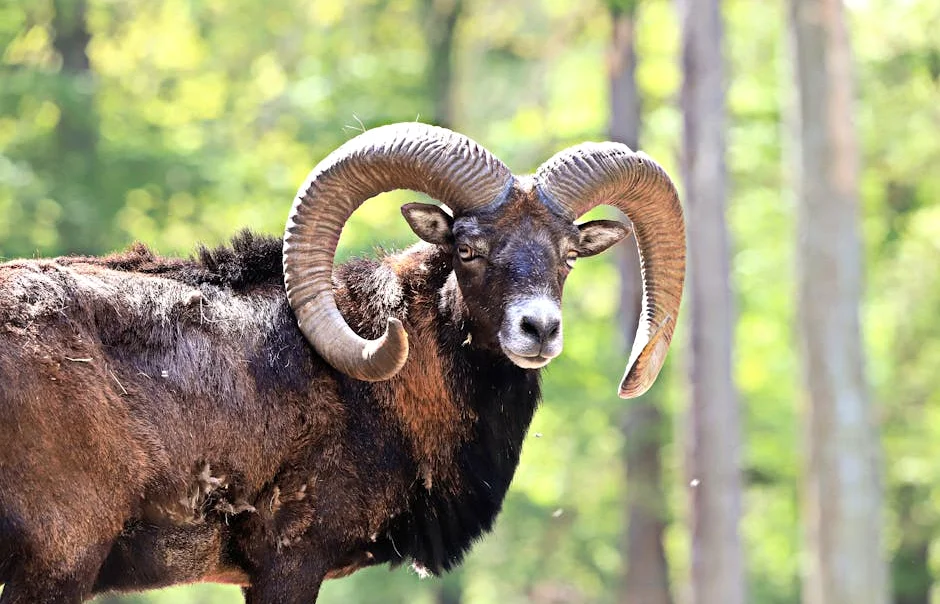
Cyprus has taken decisive action in its ongoing fight against the spread of foot-and-mouth disease, closing several mouflon protection sites across the island. The decision, announced by the Ministry of Agriculture, aims to prevent the potential contamination of wildlife and domestic livestock. The move comes after a recent outbreak in the eastern part of the country, raising concerns about the impact on both the environment and the agricultural sector.
Environmental and Agricultural Impact
The closure of these sites affects several protected areas where mouflons, a species of wild sheep native to the region, are monitored and protected. Officials say the measure is necessary to avoid the risk of disease transmission from domestic animals to wildlife and vice versa. However, conservation groups have raised concerns about the potential disruption to mouflon populations and the broader ecosystem.
According to the Cypriot Ministry of Agriculture, the sites in question are located in areas where there is a high risk of interaction between domestic livestock and wild animals. The ministry has emphasized that the closures are temporary and will be reviewed periodically based on the evolving situation.
Environmental organizations, including the Cyprus Wildlife Society, have called for a more balanced approach. ‘While the intent is to protect livestock, we must also consider the long-term impact on wildlife and their habitats,’ said Maria Papadopoulos, a representative of the society. ‘We are working with officials to find a compromise that protects both animals and the environment.’
Official Response and Public Reaction
Cyprus officials have defended the decision as a necessary precaution in the face of a potential threat to the country’s agricultural industry. The Ministry of Agriculture has stated that foot-and-mouth disease can have devastating economic consequences, particularly for farmers who rely on livestock for their livelihoods.
‘The priority is to prevent the spread of the disease and protect the country’s farming sector,’ said Agriculture Minister Constantinos Petrides. ‘We are taking all necessary measures to ensure the safety of both domestic animals and wildlife.’
However, some farmers have expressed frustration over the lack of clear communication and the impact on their operations. ‘We understand the need for caution, but we need more transparency about the risks and what exactly we are being asked to do,’ said farmer John Demetriou, who operates a small livestock farm near Famagusta.
Public reaction has been mixed, with some supporting the government’s actions and others questioning the effectiveness of the measures. The Famagusta Gazette has reported on the issue extensively, highlighting the concerns of local communities and the need for a coordinated response.
Broader Implications and What’s Next
The closure of mouflon protection sites is part of a broader strategy to combat the spread of foot-and-mouth disease. The government has also implemented stricter quarantine measures and increased surveillance in affected areas. These efforts are being closely monitored by the European Union, which has expressed concern over the potential impact on trade and the region’s agricultural sector.
According to the European Commission, Cyprus has been under increased scrutiny in recent months due to its proximity to countries with recent outbreaks of foot-and-mouth disease. The Commission has urged the Cypriot government to provide more detailed information on its containment strategies and the steps being taken to prevent cross-border transmission.
The next critical step for Cyprus is to ensure that the measures taken are both effective and sustainable. The government has announced plans to review the situation within the next two weeks, with a focus on balancing the needs of the agricultural sector and the conservation of wildlife.
Local authorities are also working closely with the Famagusta Gazette and other media outlets to keep the public informed about the situation and the steps being taken to address it. The government has pledged to provide regular updates and to engage with the community to build trust and ensure compliance with the new measures.
The situation highlights the complex challenges faced by countries in managing animal health crises. As the global demand for agricultural products continues to grow, the need for effective disease control measures has never been more critical. For Cyprus, the current measures represent a key test of its ability to balance economic interests with environmental protection.






Comments
No comments yet
Be the first to share your thoughts