

 BBC
BBC 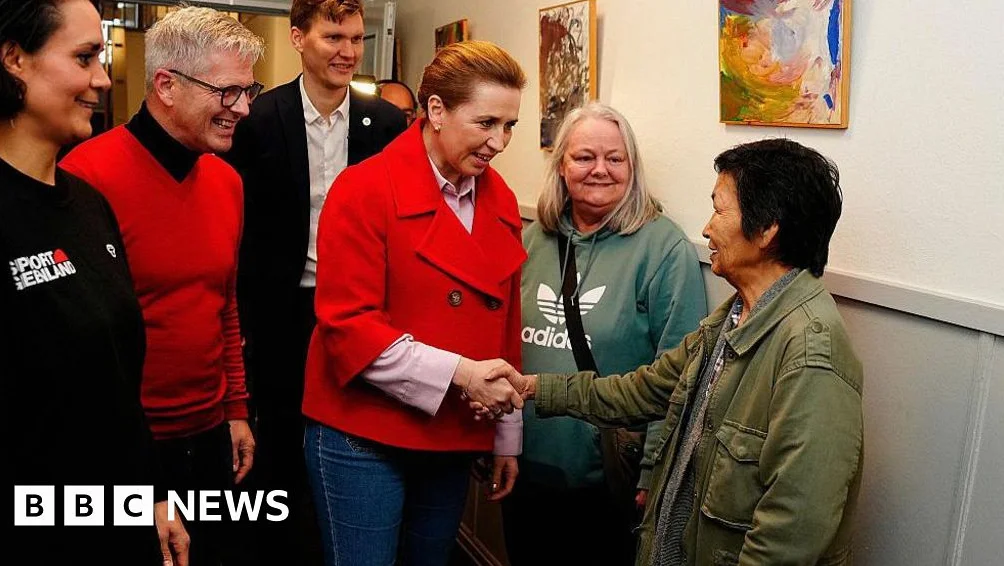
Danes are heading to the polls in a critical election, with Prime Minister Mette Frederiksen seeking a third term in office; the Social Democrats, led by the 48-year-old PM, are hoping to maintain their influence after a period of declining support since the 2022 elections. Frederiksen called for the vote earlier than expected, citing increased public backing for her handling of the US President Donald Trump’s controversial proposal to take over Greenland, an autonomous Danish territory.
Greenland Crisis and Domestic Challenges
The Greenland issue has become a defining moment in Frederiksen’s political career. Trump had suggested that the US could take over Greenland, a move that sparked international concern and led to a military presence by Denmark and its European allies on the island in January 2023. Frederiksen’s firm response to the proposal was widely praised and is seen as a key factor in her current poll lead.
However, the election is not being fought primarily on the Greenland issue; Domestic concerns, particularly the state of the economy and the cost of living, have dominated the campaign trail. Frederiksen has proposed a 0.5% wealth tax on the richest 20,000 Danes, a move aimed at addressing economic inequality. Another major concern is the high level of pesticides found in drinking water due to pig farming and agriculture, which has led some parties, including Frederiksen’s, to call for a ban.
Political Landscape and Polling Trends
Frederiksen’s Social Democrats currently hold the largest share of the vote, with more than 20%, according to the latest opinion polls; this puts them ahead of the Liberal Venstre party, led by Defence Minister Troels Lund Poulsen, and the Green Left. However, the lead may not be enough to secure the 90 seats needed to maintain a majority in parliament.
In the 2022 elections. Frederiksen led a coalition that included the centrist Moderates and the right-of-centre Liberals — all three parties have seen significant drops in the polls since then. Poulsen has emerged as a strong contender for the premiership, but he needs a strong showing in Tuesday’s vote to challenge Frederiksen’s position.
The Social Democrats are expected to achieve their weakest result in more than a century — In last year’s local elections, they slumped to 17%. This has raised concerns about their ability to form a governing coalition without the support of the centrist Moderates, led by Foreign Minister Lars Løkke Rasmussen.
Coalition Politics and Future Uncertainty
The four parliamentary seats held by Greenland and the Faroe Islands could also play a key role in the outcome. There is a possibility for the first time in decades that at least one of the Greenlandic seats could flip from red to blue, adding to the uncertainty around the election.
Rasmussen, who impressed many Danes with his handling of the Greenland standoff, has expressed a desire to shape the next government’s policy; However, he has made it clear that he has no intention of becoming prime minister again after having served two terms in the past. Instead, he wants to be at the forefront of forming the next government and ensure that Denmark “stands together at a time of division.”
The royal investigator role, which typically leads to the next prime minister, has also become a point of discussion, but Rasmussen has indicated he has no desire to take on the role, despite his influence in coalition politics. This adds to the complexity of forming a stable government after the election.
Frederiksen is betting that the “Trump bump” that boosted her poll numbers after the Greenland crisis will be enough to secure her a third term in a tight election race. However, the challenges she faces are significant, and the outcome of the election remains uncertain as the country moves toward a critical decision that could shape its political future.




Comments
No comments yet
Be the first to share your thoughts