

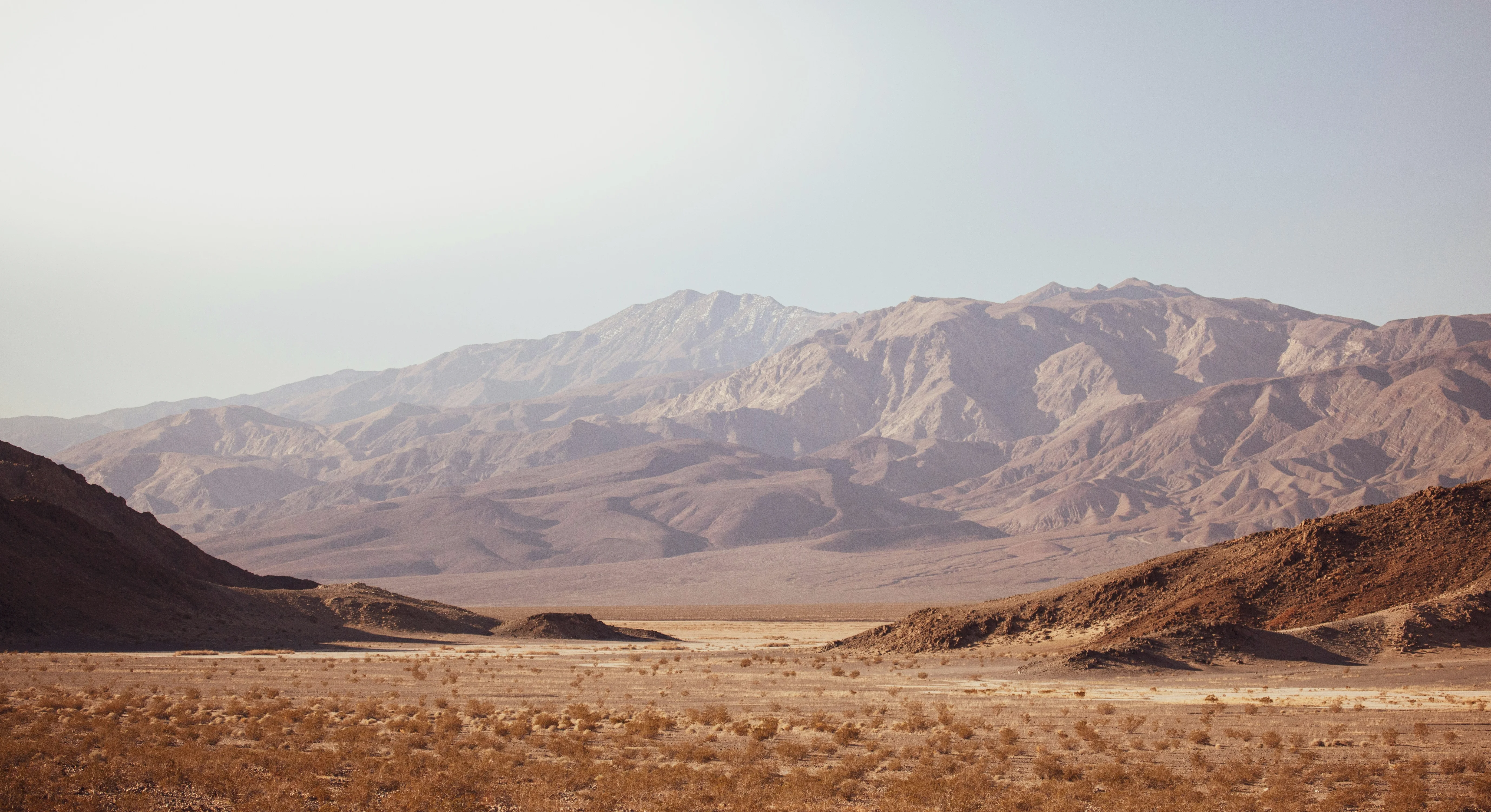
Death Valley, known for its extreme temperatures and arid landscape, is on track for a rare superbloom in 2026. This phenomenon, which transforms the desert into a sea of wildflowers, is expected to occur from late February to early April, drawing visitors from around the world.
Understanding the Superbloom Phenomenon
A superbloom is a rare botanical event where millions of dormant wildflower seeds germinate and bloom simultaneously, turning the desert into a vibrant landscape of colors. In Death Valley, most wildflowers are annuals, meaning they bloom only once in their lifetime. Their seeds can remain dormant for years, waiting for the right conditions of high rainfall, warm temperatures, and minimal wind.
The last superbloom in Death Valley occurred in 2016, with previous ones in 2005 and 1998. These events happen roughly once a decade when the conditions align. As of October 2025, Death Valley has already received 2.45 inches of rain, surpassing the typical annual rainfall of 2.20 inches. This has revived ancient Lake Manly and primed dormant seeds for germination.
When and Where to Witness the Bloom
According to the National Park Service, the peak bloom is expected from late February through early April 2026. Low-elevation areas, such as Badwater Road, Furnace Creek, and Mud Canyon, will see the most vibrant displays, with the peak occurring in late February through March. Higher-elevation areas may experience blooming from April through May, possibly extending into June.
Visitors are advised to plan their trips around weekdays to avoid large crowds and traffic. Early mornings (6-8 AM) or late afternoons (4-6 PM) are optimal for photography and viewing, as the light is ideal and crowds are minimal. It’s important to check the weather before visiting, as flowers do not open on cold, cloudy, or windy days.
Currently, Badwater Road is showing early signs of wildflower growth, making it one of the best places to see the bloom. Other notable locations include the Furnace Creek area, Ashford Mill Ruins, and Highway 190 near the Beatty Cutoff Junction.
Traveling from India to Death Valley
For travelers from India, the journey to Death Valley involves a flight to the United States, with the nearest major airports being Las Vegas (LAS) and Los Angeles (LAX). Direct flights from Delhi, Mumbai, and Bangalore to Los Angeles take around 15-17 hours, while connecting flights via the Middle East or Europe to Las Vegas can take 18-22 hours. Booking flights 3-6 months in advance is recommended, with return fares ranging from ₹60,000 to ₹1,20,000.
Once in the U.S., visitors will need to rent a car, as there is no public transportation within the park. Rental options are available at Las Vegas Airport, with daily rates ranging from $40 to $80. Essential items to bring include an international driving permit, a GPS device, and enough fuel, as there are no gas stations inside the park.
Accommodation options inside the park include The Inn at Death Valley, The Ranch at Death Valley, and camping at Furnace Creek Campground. These options tend to book out quickly, so it is advisable to reserve well in advance. For more affordable options, nearby towns like Beatty and Pahrump offer budget-friendly hotels.
Indian travelers will also need to apply for a U.S. Tourist Visa (B1/B2) 3-6 months before departure. This involves completing the DS-160 form, paying the $185 visa fee, and attending an interview at a U.S. Embassy or Consulate. Approval rates are generally high for genuine tourists with proper documentation.
Visitors should also be prepared with appropriate clothing, including layers for temperature fluctuations, sun protection, and comfortable walking shoes. Essentials such as sunscreen, sunglasses, and water are crucial, as the desert sun is intense and water sources are limited.
It is critical to follow park regulations, such as not picking flowers, staying on designated trails, and packing out all trash. These rules are in place to protect the fragile desert ecosystem and ensure the sustainability of the superbloom for future generations.






Comments
No comments yet
Be the first to share your thoughts