

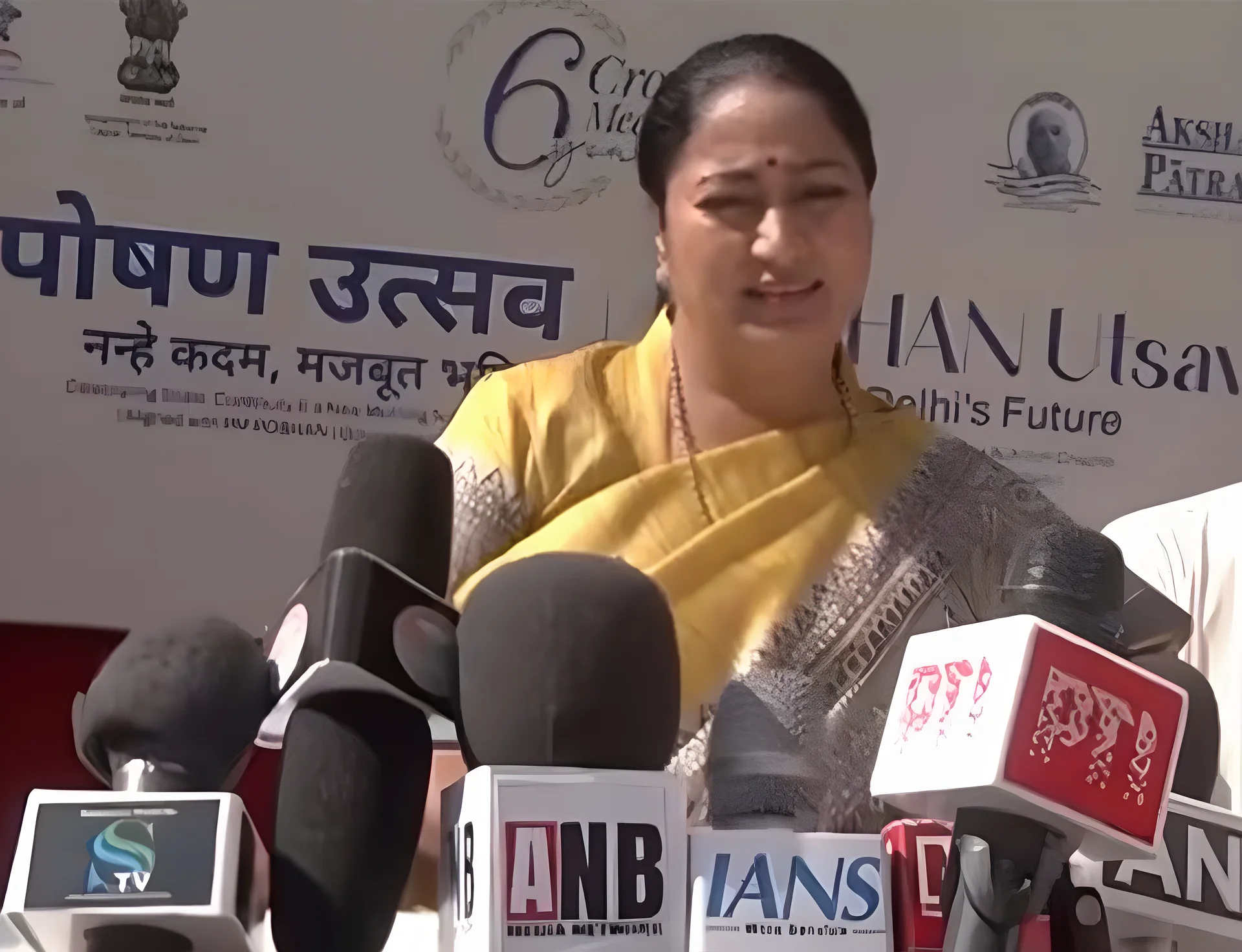
Delhi’s government has launched a new morning nutrition initiative in select government schools, in collaboration with Akshaya Patra, a well-known non-profit organization that provides mid-day meals to students across India. The program aims to supplement the existing mid-day meal scheme and improve children’s health and academic performance by ensuring they receive nourishment early in the day.
Program Details and Collaboration
The initiative was formally introduced by Delhi Chief Minister Rekha Gupta on Saturday. It is designed to provide morning meals to students in certain government schools, helping them transition more smoothly from home to school. This program complements the long-standing mid-day meal scheme, which has been in place to ensure that children receive at least one nutritious meal during the school day.
The collaboration with Akshaya Patra, which has been feeding millions of children across the country for over a decade, highlights the government’s commitment to improving child nutrition. According to Gupta, the initiative is a key step in aligning with Prime Minister Narendra Modi’s vision of ensuring that all children receive adequate nutrition to support their learning and development.
“Nutrition is key for channeling students’ energy into their studies,” Gupta said during the launch event. “This collaboration with Akshaya Patra ensures morning nourishment, which will have a direct impact on their concentration and overall health.”
Atal Canteen Scheme and Affordable Meals
In a related effort to combat hunger and ensure affordability, the Delhi government had previously launched the Atal Canteen project in December 2025. This initiative aims to provide nutritious meals at a subsidized rate of ₹5 per plate, making it accessible to a wider population.
The Atal Canteen project was inaugurated with the participation of notable figures, including Union Minister Manohar Lal Khattar. Despite the actual cost of preparing the meals being around ₹30, the government has ensured that the final price remains affordable for Delhi’s residents.
Gupta emphasized that the Atal Canteen initiative is part of a broader strategy to address food insecurity among the urban poor. “We are committed to ensuring that no citizen in Delhi goes hungry,” she said. “These canteens will serve as a vital resource for those who need affordable and nutritious meals.”
Significance and Impact on Children’s Health
The morning nutrition program is expected to have a significant impact on the health and academic performance of students in government schools. Studies have shown that children who receive regular and nutritious meals tend to perform better in school, have improved concentration, and are less likely to suffer from malnutrition.
Delhi has been grappling with rising concerns about child malnutrition, especially in low-income communities. The new initiative is seen as a proactive step to address these challenges. According to a 2023 report by the Delhi Nutrition Council, nearly 15% of children in government schools were reported to suffer from some form of malnutrition.
Experts believe that providing morning meals will help mitigate these issues by ensuring that children start their day with the necessary energy and nutrients. “This is a crucial step in addressing the nutritional gap that many children face,” said Dr. Anjali Mehta, a pediatrician in Delhi. “The combination of morning and mid-day meals will significantly improve their overall well-being.”
The government has not yet specified which schools will be included in the initial phase of the morning nutrition program, but officials have stated that the selection will be based on the level of need and the current infrastructure of the schools.
With the launch of this initiative, Delhi is making strides in its commitment to improving child nutrition and educational outcomes. The success of the program will depend on its implementation, funding, and the cooperation of schools and local communities.
Officials have stated that they will monitor the program closely and make necessary adjustments based on feedback from students, parents, and school staff. The next phase of the initiative will involve expanding the program to more schools, with a target of covering 50% of government schools within the next six months.






Comments
No comments yet
Be the first to share your thoughts