

Approximately 120,000 Department of Homeland Security (DHS) employees are working without pay as funding disputes between Democrats and the White House continue, according to internal numbers obtained by Semafor. The numbers, compiled by the Trump administration, show that the majority of these affected workers are not involved in immigration enforcement, which has been a central point of contention in the ongoing budget standoff.
Impact on Non-Immigration Agencies
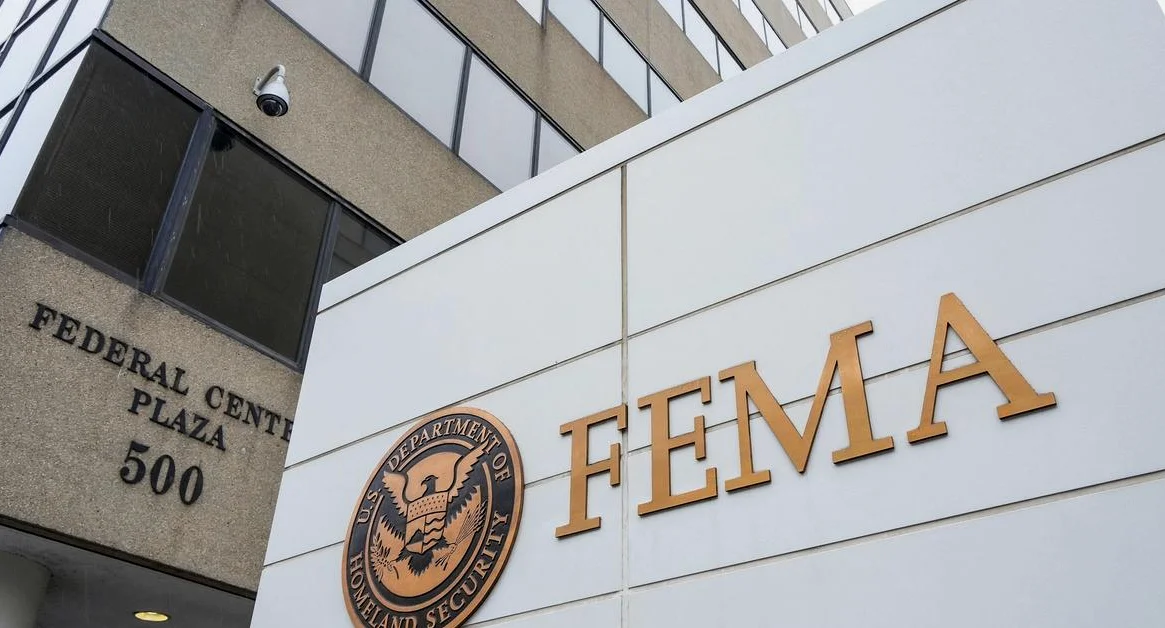
The shutdown has left a significant portion of the DHS workforce without pay, including around 42,000 Transportation Security Administration (TSA) screening officers and roughly 19,000 other TSA employees. The Cybersecurity and Infrastructure Security Agency (CISA), Federal Emergency Management Agency (FEMA), and civilian Coast Guard employees are also being affected, according to the internal numbers.
Despite the funding dispute, around 140,000 DHS employees are still receiving paychecks. This includes approximately 57,000 Customs and Border Protection (CBP) officers, 25,000 Immigration and Customs Enforcement (ICE) officials, and 51,000 Coast Guard members. These groups have been largely unaffected due to funding from last year’s GOP tax cut law, which provided a temporary reprieve for certain agencies.
Democrats Demand Immigration Reforms
Democrats continue to push for significant changes to immigration enforcement before they agree to fully fund the DHS. President Donald Trump, in his State of the Union address on Tuesday evening, called on Democrats to restore funding for the department, emphasizing the importance of maintaining full operational capacity across all DHS functions.
According to internal numbers, the majority of the 120,000 affected workers are not involved in immigration enforcement. This distinction has become a focal point in the ongoing negotiations, as Democrats argue that changes to immigration policies are necessary before they can agree to full funding.
“We cannot fund a department that is not aligned with the values of this nation,” said a Democratic official, who requested anonymity. “The enforcement policies must be reformed before we can move forward with full funding.”
What’s Next for DHS Funding
The White House and Democratic lawmakers are expected to continue negotiations in the coming weeks, with a potential deadline looming for a resolution. The situation has raised concerns about the operational capacity of non-enforcement agencies, which are critical to national security and emergency response efforts.
With the shutdown affecting key components of the DHS, including cybersecurity and emergency management, the potential impact on public safety is a growing concern. Officials have warned that delays in funding could lead to reduced services and increased risks to infrastructure and emergency preparedness.
“The current funding situation is unsustainable,” said a DHS spokesperson. “We are doing our best to maintain essential services, but we need a resolution to ensure the department can fulfill its mission across all areas.”
As the standoff continues, the focus remains on resolving the funding dispute before the situation escalates further. With the State of the Union address having highlighted the issue, the pressure is mounting on both sides to reach a compromise.
The impact of the shutdown has been felt across the country, with employees at the affected agencies struggling to make ends meet. The situation highlights the broader implications of the funding dispute, which extends beyond immigration enforcement to critical national security functions.






Comments
No comments yet
Be the first to share your thoughts