

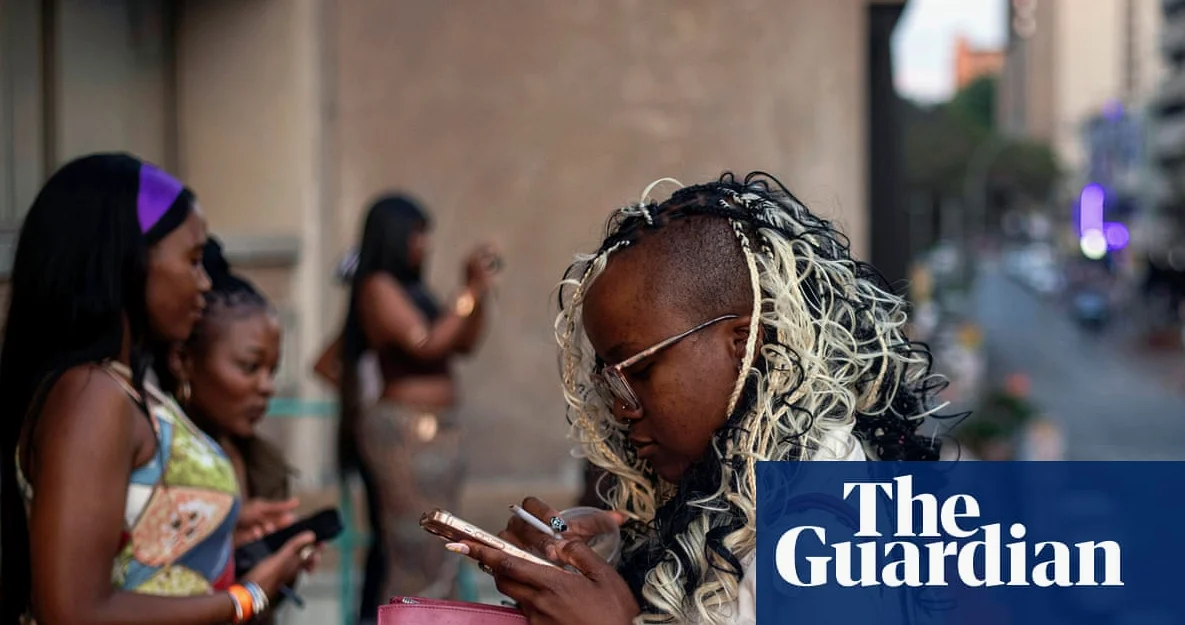
Experts and international organizations are calling for immediate measures to combat the growing threat of digital violence in Africa, with reports indicating a sharp increase in online abuse, particularly against women and girls. According to The Guardian. The situation has reached a critical point, with many victims reporting severe psychological and emotional harm, and UN Women has also raised concerns, highlighting how artificial intelligence is being used to amplify this violence, making it more pervasive and harder to trace.
The Rise of Digital Violence in Africa
According to The Guardian. The surge in digital violence in Africa has been linked to the increasing use of social media and online platforms, which have become breeding grounds for harassment, threats, and the spread of harmful content. Reports from various countries across the continent indicate that women, in particular, are being targeted through doxxing, deepfake videos, and coordinated online campaigns aimed at silencing their voices.
UN Women’s report highlights that AI-powered tools are being exploited to create and disseminate fake content, including deepfake videos that manipulate images and videos of women to spread misinformation and cause reputational harm. This has made it increasingly difficult for victims to seek justice, as the digital nature of the abuse often leaves no physical evidence.
“The use of AI to create deepfake content is a new and dangerous frontier in digital violence,” said a spokesperson for UN Women. “These tools are being used to target women, especially those in public life, with the intent to discredit and silence them.”
Local Reactions and Impact
Across Africa. Local reactions to the rise in digital violence have been mixed, with some communities calling for stronger legal protections and digital literacy campaigns. In Kenya. For example. A recent survey by a local NGO found that 73% of women reported experiencing some form of online harassment, with 45% of them stating that the abuse had led to anxiety or depression.
“I was targeted with deepfake videos that spread across social media, and it was impossible to prove it was fake,” said a victim in Nairobi, speaking to a local news outlet. “It ruined my reputation and made me feel unsafe in my own home.”
In South Africa. Digital rights organizations have been working closely with the government to introduce stricter regulations on online content; However, many activists argue that more needs to be done to hold platforms accountable for the spread of harmful content. “The current laws are not enough to protect women from this new form of violence,” said one activist from Johannesburg.
International Concerns and Calls for Action
International organizations have also expressed deep concern over the situation in Africa, with the United Nations and other global bodies urging governments to take immediate action. The Guardian reported that several African nations have been criticized for not doing enough to combat online abuse, despite growing awareness of the issue.
UN Women has called on governments to invest in digital literacy programs and to collaborate with technology companies to develop better tools for identifying and removing harmful content. “This is not just a regional issue — it is a global one that requires a coordinated response,” said a senior UN official.
“We are seeing a pattern where digital violence is being used as a tool to suppress voices, particularly those of women and girls,” said the official. “This is a violation of basic human rights and must be addressed with urgency.”
What’s Next and Why It Matters
Experts predict that without immediate action, the digital violence epidemic in Africa will continue to grow, with more women and girls being targeted. The economic and social costs of this violence are already being felt, with many victims losing their jobs, facing social isolation, and suffering long-term mental health consequences.
“If we do not take this issue seriously, the impact will be felt across all sectors of society,” said a policy analyst from a regional think tank. “This is not just about online abuse — it’s about the erosion of trust, freedom of expression, and the right to live without fear.”
What’s next is a series of regional and international dialogues aimed at developing a wide-ranging response to digital violence. These discussions are expected to include input from technology companies, civil society, and local governments. The ultimate goal is to create a framework that ensures the safety and dignity of all individuals online.
The Role of Technology Companies
Technology companies have been urged to take greater responsibility for the content on their platforms. According to The Guardian, many of these companies have been criticized for not doing enough to address the spread of harmful content, particularly in regions where digital literacy is low.
“It is not enough to rely on users to report harmful content — platforms must take proactive steps to identify and remove it,” said a representative from a digital rights organization. “This requires investment in AI tools that can detect and flag harmful content more effectively.”
UN Women has called for greater transparency from technology companies, including regular reporting on the effectiveness of their content moderation policies. “If these companies are not held accountable, the problem will only get worse,” said the organization’s spokesperson.
Conclusion
The surge in digital violence across Africa is a pressing issue that demands urgent attention from governments, international organizations, and technology companies. With the rise of AI-powered tools, the threat to women and girls has become more severe, making it imperative to implement effective measures to protect vulnerable populations.
As the situation continues to evolve, the international community must remain vigilant and committed to finding solutions that address the root causes of digital violence. Only through a coordinated effort can the spread of online abuse be effectively curbed, ensuring a safer and more inclusive digital space for all.






Comments
No comments yet
Be the first to share your thoughts