

On March 30. 1976, thousands of Palestinians gathered in the Galilee region of northern Israel to protest the Israeli government’s decision to expropriate Palestinian land for Jewish settlements. The demonstrations. Which were peaceful at first. Turned violent when Israeli forces opened fire, killing six protesters and wounding hundreds, but the event, known as Land Day, has since become a symbol of Palestinian resistance against land confiscation and displacement.
Origins of Land Day
The roots of Land Day trace back to the Israeli government’s announcement in 1976 that it would expropriate 3,000 dunams (about 300 acres) of land in the Galilee region for Jewish settlement expansion. The land belonged to Palestinian villagers, many of whom were displaced by previous Israeli policies; the announcement sparked outrage among Palestinians, leading to mass demonstrations across the region.
According to Al Jazeera. The protests were organized by the Popular Front for the Liberation of Palestine (PFLP) and other Palestinian groups, who called for a general strike and mass demonstrations to oppose the land expropriation. The Israeli government responded with a heavy security presence, including the deployment of armored vehicles and soldiers.
On the day of the protests, thousands of Palestinians marched in solidarity, demanding the return of their land and an end to Israeli occupation — the demonstrations took place in cities such as Haifa, Acre, and Safad, with participants carrying signs and chanting slogans against the Israeli government’s policies.
Violence and Aftermath
The protests turned violent when Israeli forces opened fire on the demonstrators, killing six people and injuring hundreds, but the victims included three teenagers from the village of Iqrit, who were shot dead while walking home from a demonstration in the town of Acre. Their deaths became a rallying point for the Palestinian movement, and the day was later commemorated as Land Day.
According to historical records, the Israeli government claimed that the violence was a result of the protesters’ refusal to disperse, despite repeated warnings from security forces. However, Palestinian sources argue that the Israeli military used excessive force to suppress the demonstrations.
The aftermath of Land Day saw a significant increase in Palestinian resistance to Israeli occupation, with the event becoming a key moment in the struggle for Palestinian land rights. The day is now commemorated annually by Palestinians around the world as a symbol of resistance against land confiscation and displacement.
Commemoration and Significance
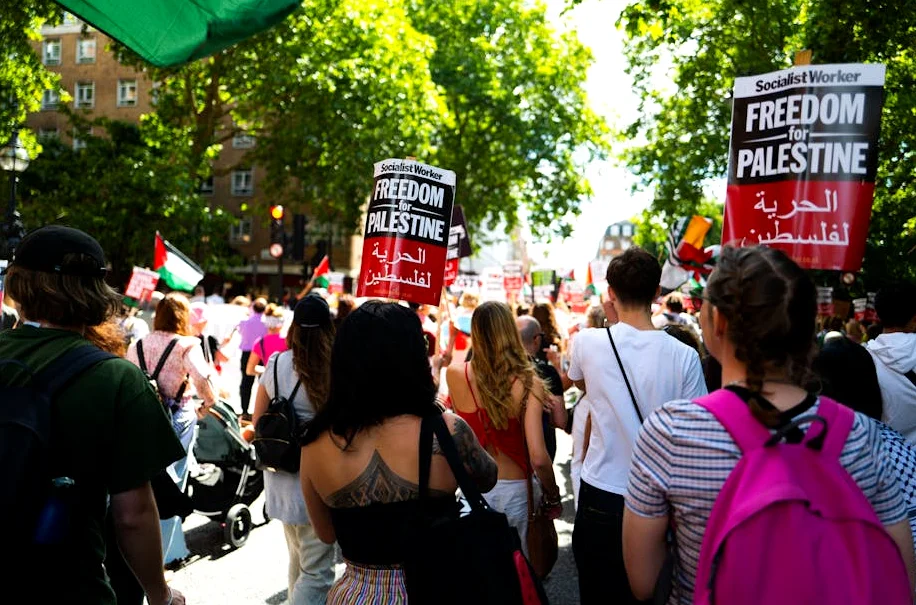
Land Day is commemorated annually by Palestinians and their supporters around the world, with demonstrations, speeches, and cultural events held in solidarity with the Palestinian cause. The day serves as a reminder of the ongoing struggle for Palestinian land rights and the displacement of millions of Palestinians since the 1948 Arab-Israeli war.
According to La Via Campesina, the Land Day protests were part of a broader movement against land dispossession and the erosion of indigenous rights. The organization highlights the importance of protecting land rights for marginalized communities, including Palestinians, and calls for an end to the occupation of Palestinian territories.
In recent years, Land Day has become a focal point for international solidarity with the Palestinian cause, with activists and organizations around the world participating in demonstrations and raising awareness about the ongoing conflict. The day also serves as a reminder of the human cost of land expropriation and the need for a just resolution to the Israeli-Palestinian conflict.
Local and Global Impact
The Land Day protests of 1976 had a profound impact on the Palestinian community, both locally and globally. The violence of that day reinforced the determination of Palestinians to resist Israeli occupation and protect their land and rights. The event also galvanized international support for the Palestinian cause, with many countries and organizations condemning the Israeli government’s actions.
According to Al Jazeera, the Land Day protests were a turning point in the Palestinian resistance movement, leading to the formation of new political groups and the strengthening of existing ones. The event also inspired a wave of activism and solidarity among Palestinians living in the diaspora.
Today, Land Day is commemorated as a symbol of resistance and resilience, with Palestinians around the world holding demonstrations and cultural events to honor the victims of 1976. The day serves as a reminder of the ongoing struggle for Palestinian land rights and the need for a just and lasting solution to the Israeli-Palestinian conflict.
The legacy of Land Day continues to shape the Palestinian struggle for land rights and self-determination. As the Israeli-Palestinian conflict remains unresolved, the importance of Land Day as a symbol of resistance and solidarity remains as strong as ever. The day serves as a call to action for the international community to support the Palestinian cause and advocate for a just resolution to the conflict.
With ongoing tensions in the region, the need for a peaceful resolution to the Israeli-Palestinian conflict has never been more urgent. The events of March 30, 1976, remain a powerful reminder of the human cost of land expropriation and the importance of protecting the rights of marginalized communities around the world.






Comments
No comments yet
Be the first to share your thoughts