

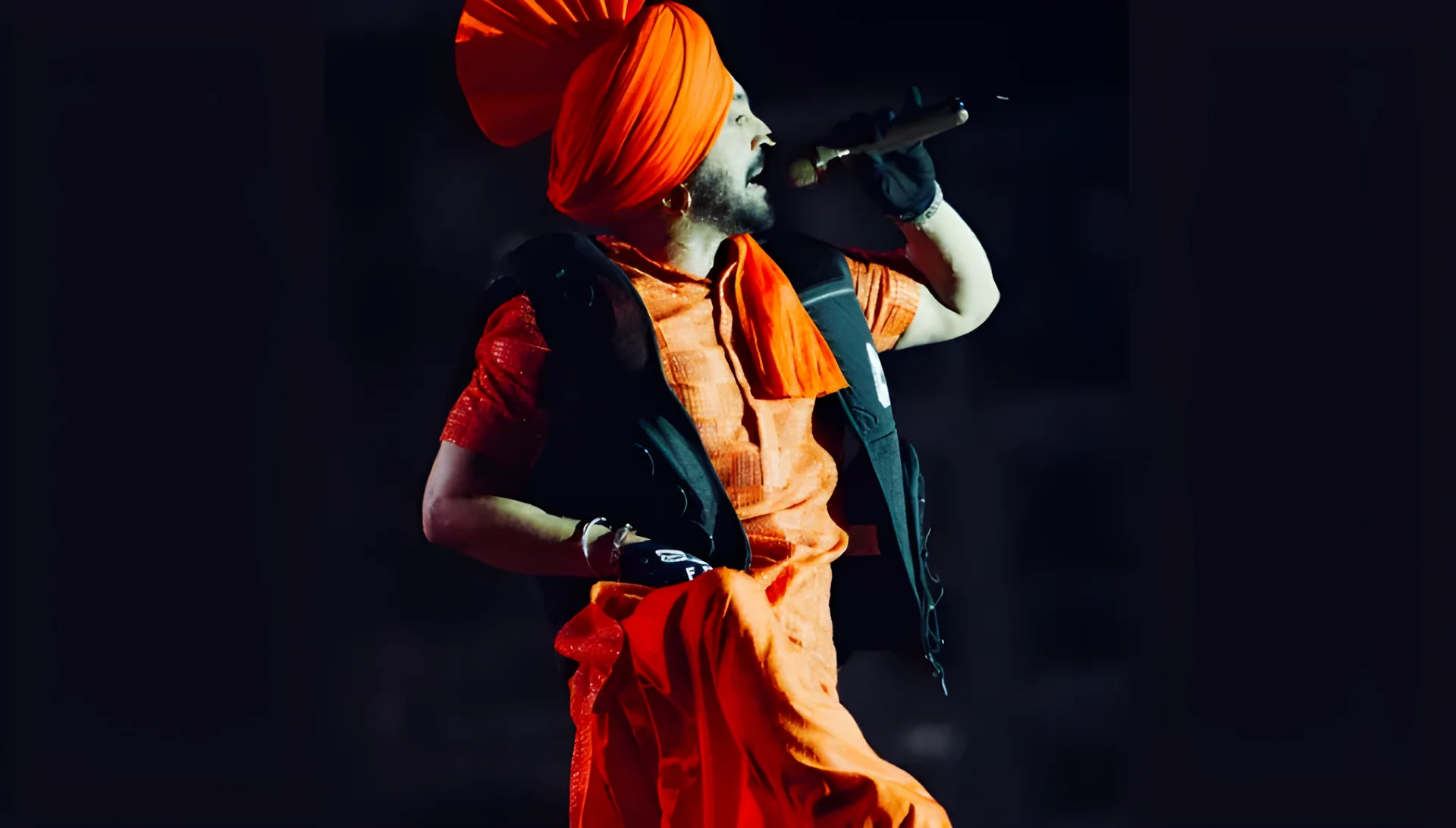
Diljit Dosanjh’s Dil-Luminati India tour, which captivated audiences across the country, transformed into a major marketing platform, with over 15 brands capitalizing on the cultural phenomenon to boost visibility, engagement, and commerce. According to a recent EY report, the tour served as an immersive brand playground where culture, fandom, and commerce intersected.
Financial Services Brands Tap Into the Hype
Financial services brands played a significant role in the tour’s marketing strategy. HSBC provided early access, express entry, and dedicated queues for its customers, helping to sell over 11,500 tickets through its channels. Meanwhile, fintech platform Lemonn turned its collaboration into a viral moment with a QR-based puzzle campaign that crashed its website after receiving 45,000 hits in an hour. The campaign generated 10 million+ ad views, 350,000 live views, and a 124 per cent surge in app downloads, culminating in an on-stage moment with Dosanjh that amplified the buzz.
HDFC, as the official ticketing partner, made concert tickets exclusively available to Pixel cardholders, a move that reportedly triggered over 75,000 new customer acquisitions and generated ticket purchases exceeding Rs 80 crore, with an average transaction size of about Rs 15,000.
Lifestyle and Fashion Brands Join the Celebration
Lifestyle and fashion brands also joined the celebration. Levi’s became the official merchandise partner, launching the ‘Dil-Luminati Merch’ collection featuring slogans such as ‘Punjabi aa gaye oyee!’—a nod to Dosanjh’s cultural influence. Beverage and alcohol brands like Coca-Cola, Kingfisher, and Diageo capitalized on the high-energy concert environment, further enhancing the brand experience for attendees.
Several brands experimented with experiential marketing. Air India dedicated a specially branded aircraft featuring Diljit Dosanjh and the tour’s imagery, even designing themed boarding passes. Mokobara, the D2C luggage brand, cleverly integrated its suitcases as props during the performance of the hit song Naina, with Dosanjh handing them out as surprise gifts to fans, an on-stage product placement that created instant buzz.
Humor and Pop Culture Drive Engagement
Other collaborations leaned into humor and pop culture. Durex used playful taglines inspired by Dosanjh’s lyrics to connect with concertgoers, while OYO launched a campaign tweaking the song Naina to encourage fans to find a stay ‘nearby’ the concert venues. Even the Mumbai Dabbawalas joined the celebration by welcoming the singer in his signature style across iconic city landmarks.
Adding a quirky touch, a matrimonial platform distributed free water bottles to unmarried attendees under a tongue-in-cheek initiative titled ‘Singles Ko Pani Pilao Yojana.’
The tour itself saw over 3.2 lakh tickets sold and 62.5 lakh visitors, making it one of the largest concert tours in India. According to the EY report, the integration of multiple brands into the tour highlights how large-scale entertainment properties are becoming powerful marketing ecosystems.
“This tour is a testament to the evolving landscape of brand engagement in the entertainment sector,” said an EY analyst. “Concerts are no longer just about music—they are immersive experiences that allow brands to connect with audiences in meaningful ways.”
The success of the Dil-Luminati tour has set a benchmark for future events, with brands likely to continue using such platforms to drive visibility and engagement. As the market continues to evolve, the intersection of culture and commerce is expected to become even more pronounced in upcoming events.



Comments
No comments yet
Be the first to share your thoughts