

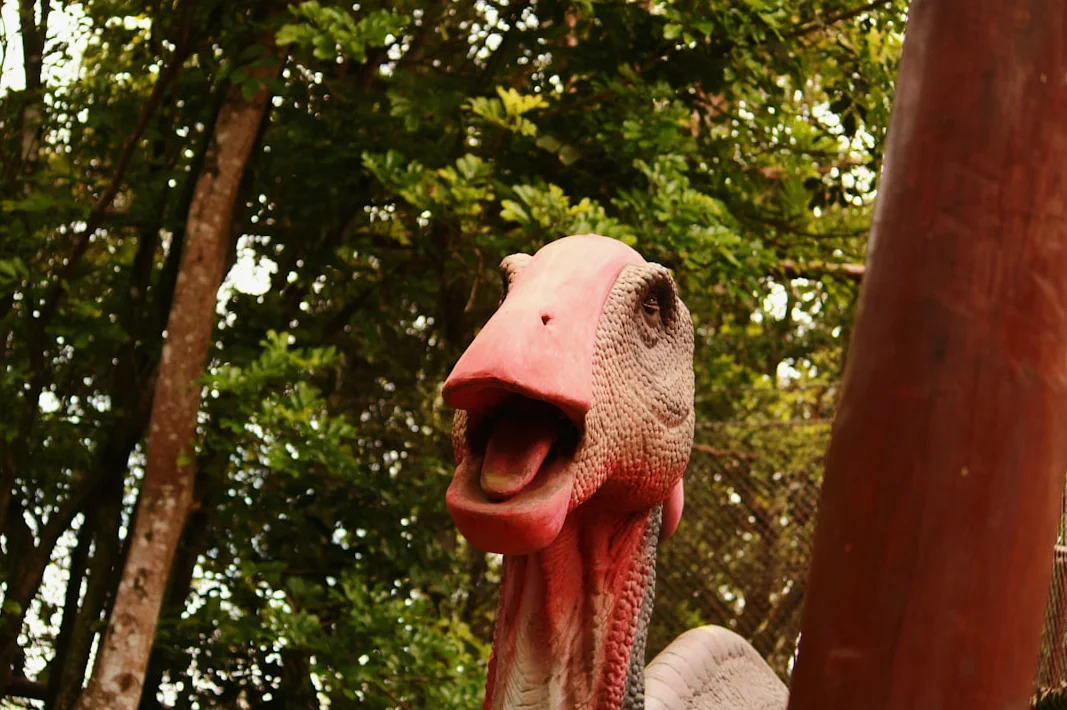
The dodo. A flightless bird native to Mauritius. Has long been a symbol of extinction — However, recent advancements in genetic engineering and cloning technologies are raising hopes that the species might be brought back to life. According to MIT Technology Review. A project aimed at reviving the dodo is currently underway, combining genetic data from the last known specimens with modern biotechnology.
Scientific and Ethical Challenges
While the idea of reviving the dodo is intriguing, it is not without its challenges, while According to a report from MIT Technology Review, scientists must first obtain and analyze DNA from preserved dodo remains. This process is complicated by the fact that the last dodos were hunted to extinction in the 17th century, leaving only a few bones and eggs as genetic material. Researchers are exploring the possibility of using CRISPR technology to edit the DNA of closely related bird species to recreate the dodo’s genome.
According to the same source. Ethical concerns also arise regarding the implications of de-extinction — some experts argue that reviving the dodo could divert resources from protecting currently endangered species; Others question whether the dodo would be able to survive in today’s environment, given the changes in climate and habitat.
Global Interest and Collaboration
The dodo revival project has attracted attention from scientists and conservationists around the world. According to a report from the Korean media outlet famtimes.co.kr, the project has sparked discussions on the ethical and practical aspects of de-extinction. Some researchers believe that reviving the dodo could serve as a scientific breakthrough, offering insights into evolutionary biology and genetic engineering.
According to a report from El Universo, the dodo has become a symbol of ecological and political tensions in the region, with some suggesting that its revival could serve as a reminder of the importance of preserving biodiversity. However, others argue that the project should be approached with caution, given the complexities involved in reintroducing an extinct species into the modern world.
According to MIT Technology Review, the project is still in its early stages, with researchers working to determine the feasibility of cloning the dodo using genetic material from the bird’s closest living relatives. While the process is technically challenging, some scientists believe that with enough funding and collaboration, the dodo could be brought back to life within the next few decades.
Public Interest and Cultural Significance
The dodo has long been a subject of fascination in popular culture, often depicted as a symbol of obsolescence or failure. According to a report from famtimes.co.kr, the bird has appeared in literature, art, and even in modern media as a reminder of the fragility of ecosystems and the consequences of human intervention in nature.
According to a report from MIT Technology Review, the dodo’s revival could also have cultural significance, offering a chance to reconnect with a part of the natural world that has been lost. Some conservationists believe that bringing the dodo back could inspire a renewed interest in biodiversity and environmental protection.
According to the Korean media outlet, the project has also sparked interest in other areas of de-extinction, with researchers exploring the possibility of reviving other extinct species such as the woolly mammoth and the passenger pigeon. However, the dodo remains one of the most iconic symbols of extinction, and its potential revival continues to capture the imagination of scientists and the public alike.
The dodo revival project is still in its early stages, but it represents a significant step forward in the field of conservation biology. According to MIT Technology Review, the project highlights the potential of genetic engineering to address some of the most pressing environmental challenges of our time. While the road ahead is uncertain, the dodo’s story serves as a powerful reminder of the importance of preserving the natural world for future generations.






Comments
No comments yet
Be the first to share your thoughts