 WH News
Assad Regime Planned Journalist’s Kidnap for Weeks, BBC Finds
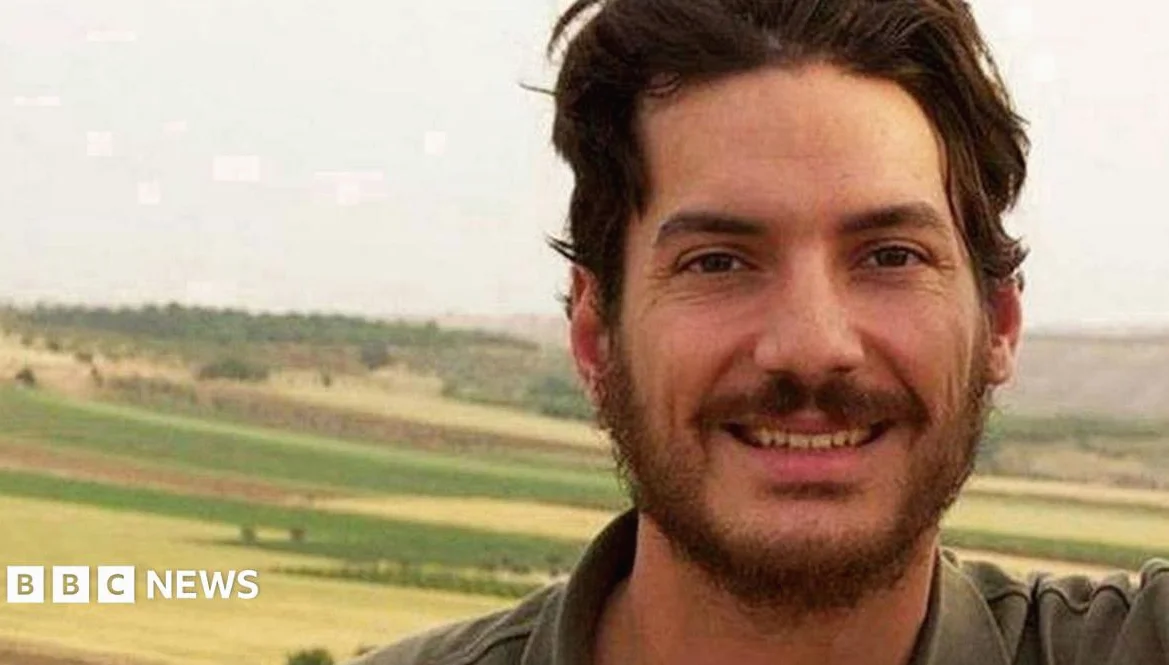
US journalist Austin Tice was kidnapped in a calculated operation planned for more than a month, according to a BBC investigation.

 WH News
US journalist Austin Tice was kidnapped in a calculated operation planned for more than a month, according to a BBC investigation.

A photojournalist and pilot were among three people killed after an NBC Los Angeles helicopter crashed in the city's suburbs, the station confirmed. The incident occurred while the aircraft was covering a deadly bus crash.
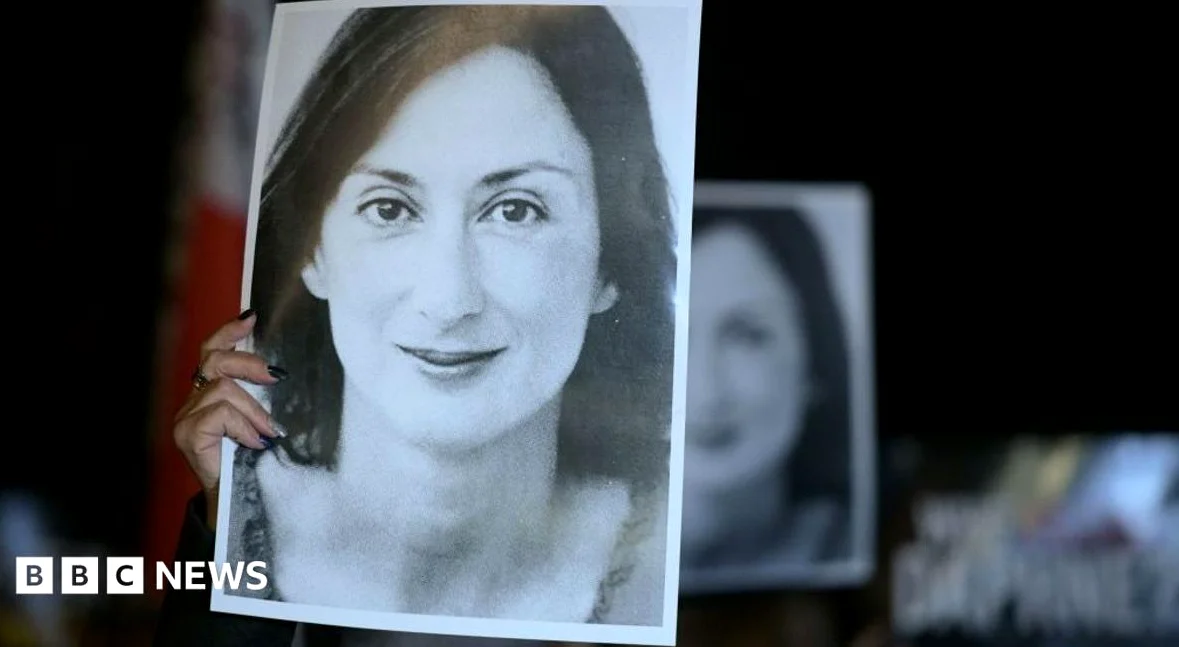
A Maltese businessman accused of orchestrating the murder of investigative journalist Daphne Caruana Galizia has been acquitted, according to Reuters.
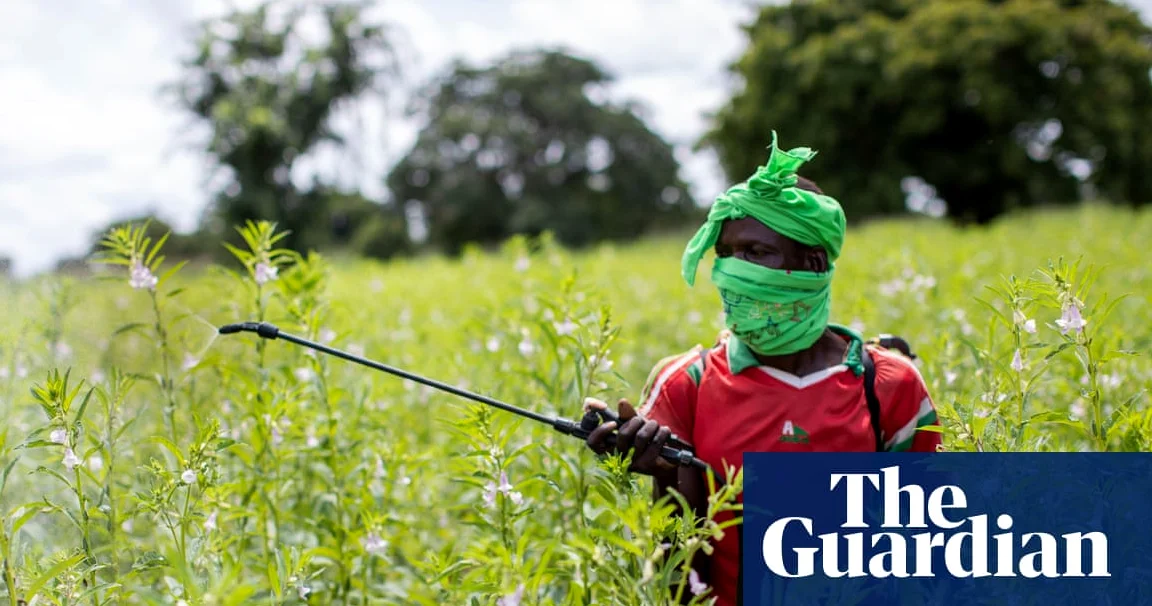
Almost half of the world’s farmers are poisoned by pesticides every year, according to a new study published in Frontiers in Public Health. Based on a global farming population of 934 million, this means around 46%—approximately 429 million people—are exposed to acute pesticide poisoning annually.
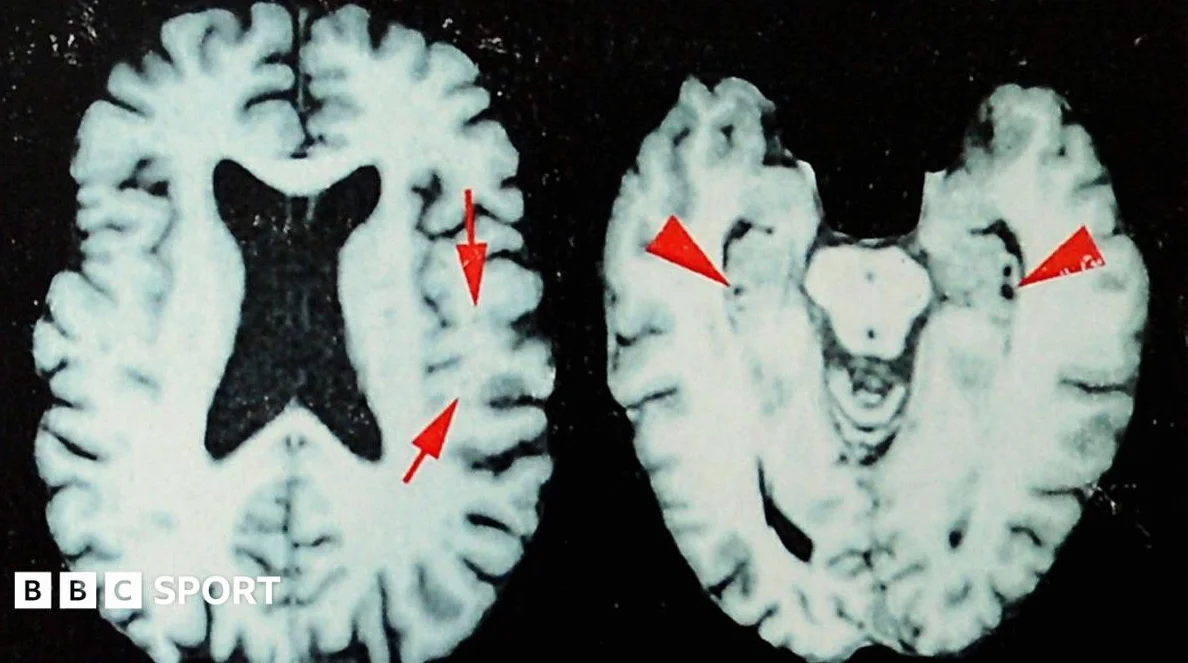
A new study finds that as many as 97.7% of NFL players who died between 2016 and 2021 could have had brain disease linked to repeated head trauma. The research, published in the British Medical Journal, analyzed brain donations from 235 former players.
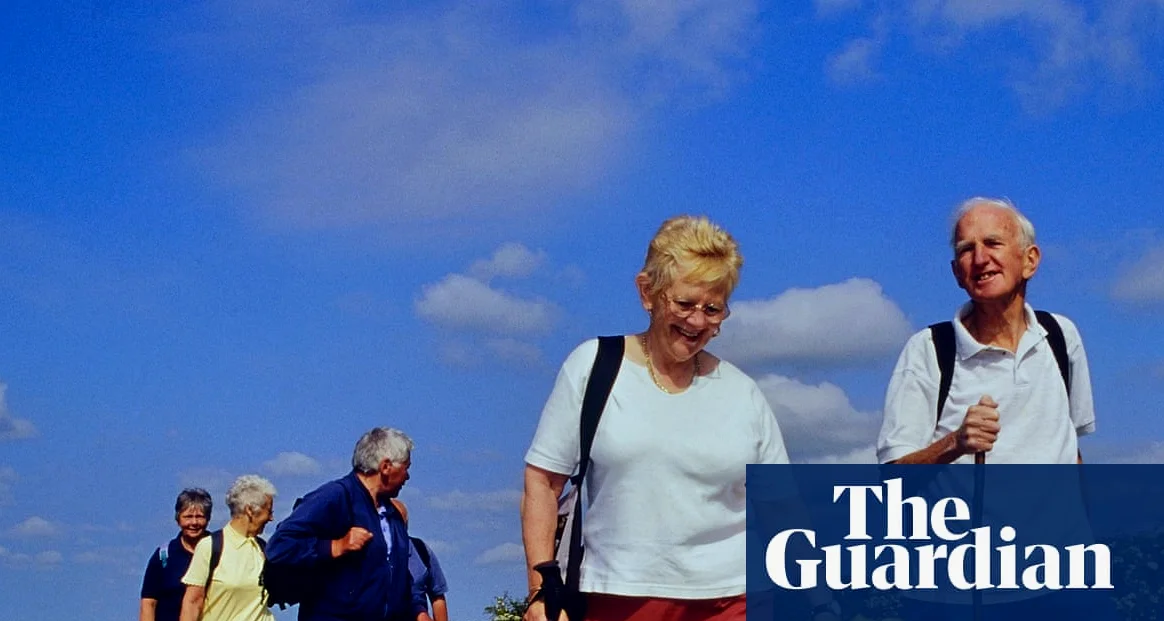
A new study finds maintaining healthy blood pressure, avoiding type 2 diabetes, and not smoking in midlife could add nearly 13 dementia-free years, according to research published in Neurology.

Zendaya and Tom Holland have shared on-screen chemistry since 2016, when they starred together in 'Spider-Man: Homecoming.' Their decade-long collaboration, now spanning three films, includes both cinematic milestones and personal developments.

Confining mealtimes and snacks to a nine-hour window and avoiding food for four hours before bed may help stave off cognitive decline in older age, researchers say.

A long-overlooked organ may hold surprising clues to healthy aging and cancer survival, according to new research published in Nature. Researchers at Mass General Brigham used AI to analyze CT scans from tens of thousands of adults and found that people with healthier thymuses lived longer and had substantially lower risks of heart disease, cancer, and death.
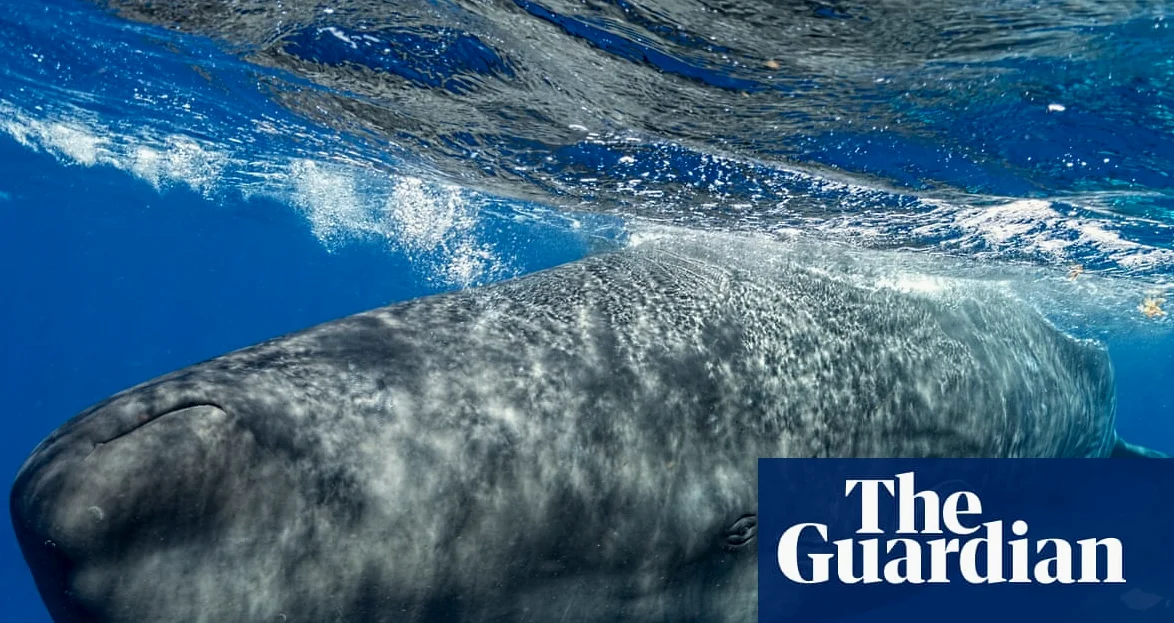
Sperm whales alter their 'vowel' sounds when boats are nearby, according to a study published in Ecological Informatics. Researchers from Project Ceti found that these changes can predict the presence of ships.

David Willey, the BBC's former Vatican correspondent, has died at the age of 93. He was known for covering the papacies of five popes and his extensive career in foreign journalism.
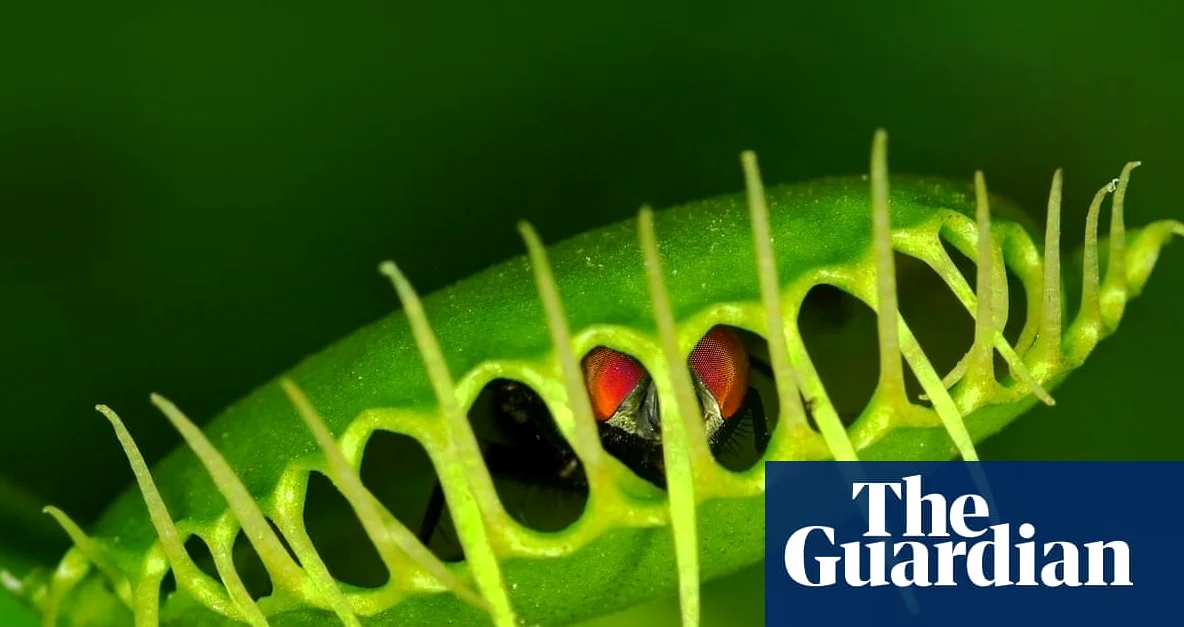
Scientists have uncovered the mechanism behind the Venus flytrap's lightning-fast closure, resolving a mystery that has puzzled researchers for over a century, according to a study published in Science.

Mangrove forests are showing signs of recovery after years of human-driven destruction, according to a new study.

According to a study in the British Journal of Sports Medicine, people who do 90 minutes to two hours of strength training weekly may reduce their risk of early death by 13%. This finding comes as new research highlights the long-term health benefits of resistance exercises.
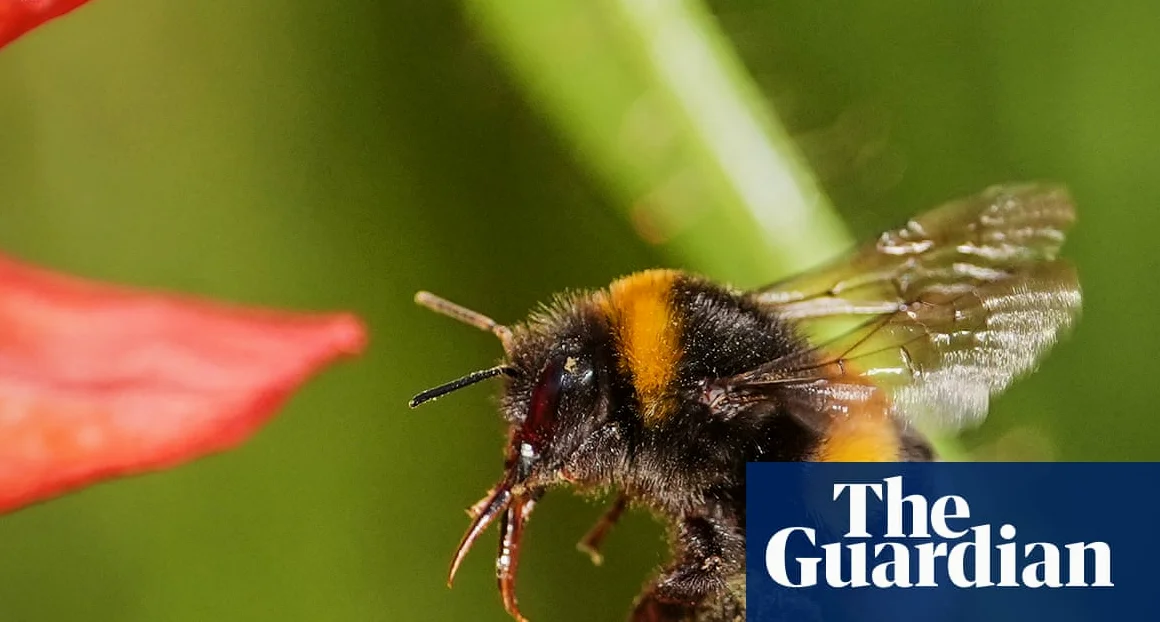
Bees can use tools to solve problems, according to a study published in The Guardian. The research found that 75% of bees successfully reached a flower by rolling a polystyrene ball.

Easter Island, or Rapa Nui, has long been associated with the 'ecocide narrative'—the idea that the island's inhabitants caused their own downfall through environmental mismanagement. Mike Pitts's book challenges this view, according to Substack.
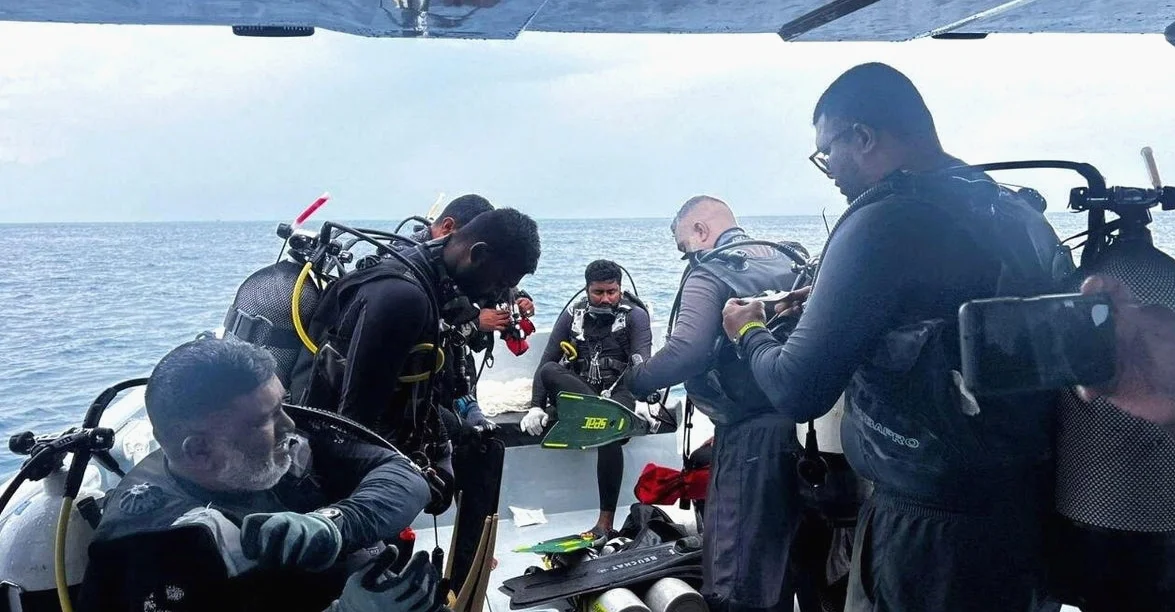
Divers in the Maldives have recovered the bodies of five Italians who died during a cave diving expedition in Vaavu Atoll. The victims were identified as marine scientists and a diving instructor who had exceeded recreational diving limits.

A single dose of psilocybin, the active ingredient in magic mushrooms, can induce anatomical changes in the brain, according to a new study published in Nature Communications.

A massive 'megatsunami' in Alaska reached nearly 500 meters in height, making it the second largest ever recorded, according to a scientific analysis.
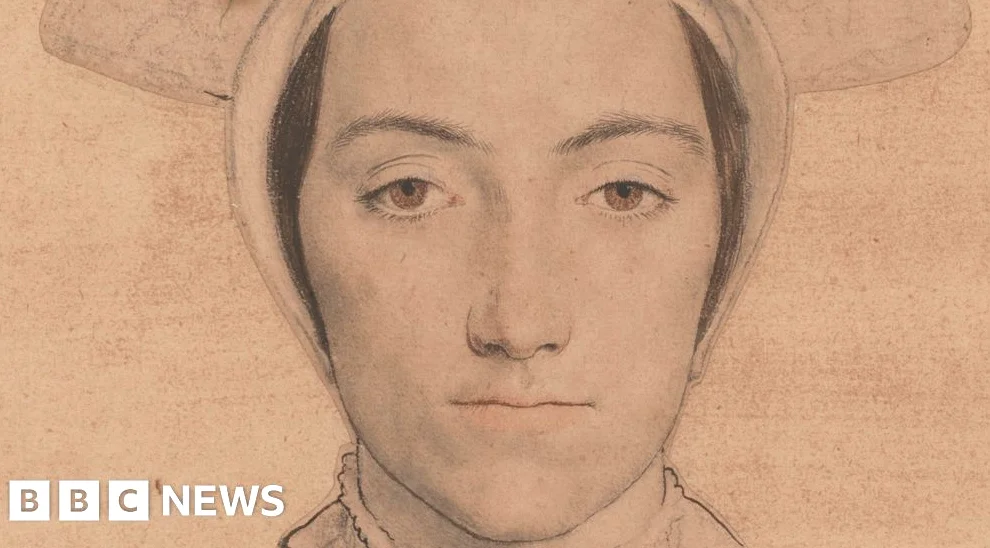
Scientists believe they have found a previously unknown sketch of Anne Boleyn, a key figure in Tudor history. According to the BBC, the discovery adds to the ongoing fascination with her life and appearance.

AI chatbots designed to be warm and friendly may be more prone to inaccuracies, including reinforcing conspiracy theories, according to a study by the Oxford Internet Institute.

Researchers have made an astonishing discovery of a new bacteria that could lead to better prevention, detection, and treatment of noma, a deadly and disfiguring childhood disease. According to the study published in Plos Neglected Tropical Diseases.