

 The Wall Street Journal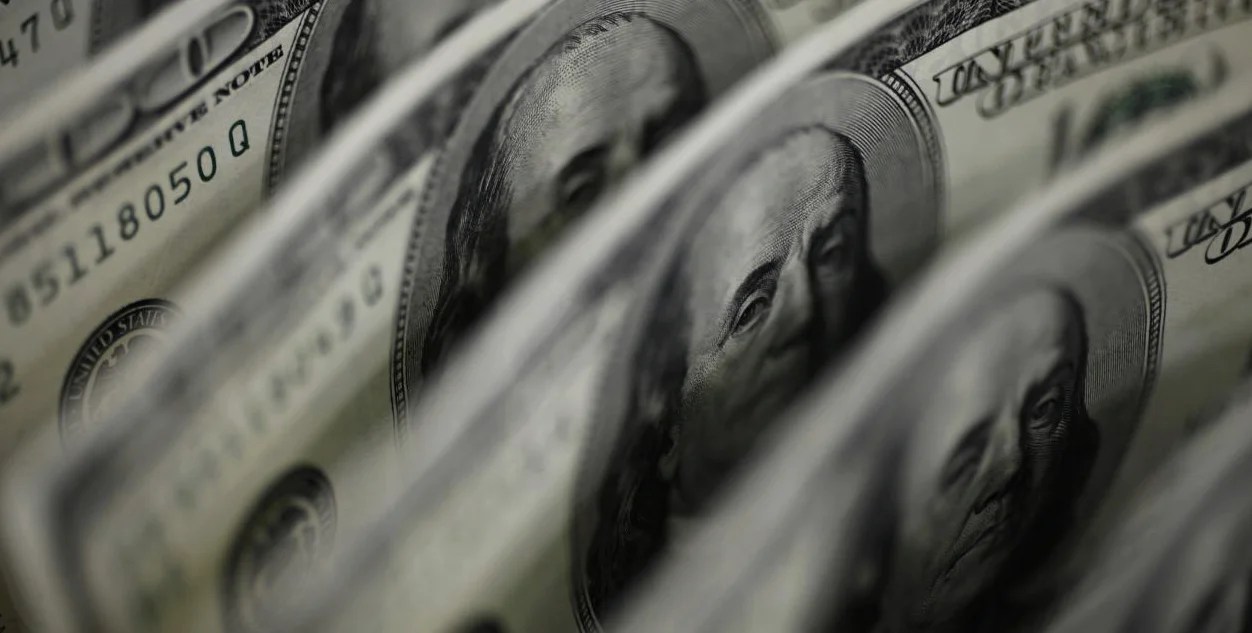
The U.S. dollar and Swiss franc rose sharply on Monday as strikes across the Middle East prompted investors to seek refuge in safe-haven assets. President Donald Trump and Israel launched military attacks on Iran over the weekend, killing a large number of Iran’s top leaders, including Supreme Leader Ayatollah Ali Khamenei. In response, Iran launched retaliatory strikes across the region, escalating tensions and sending shockwaves through global financial markets.
Safe-Haven Demand Drives Currency Gains
The DXY dollar index, which tracks the value of the U.S. dollar against a basket of six major currencies, rose to a five-week high of 98.566 in early European trade. The euro weakened to 0.9032 Swiss francs, its lowest level since the Swiss National Bank (SNB) removed its peg for the two currencies in 2015, according to LSEG data.
Commerzbank foreign-exchange analyst Thu Lan Nguyen said in a note that the dollar typically benefits in wartime situations because it is the world’s reserve currency. A substantial share of cross-border loans and bonds are denominated in dollars, and demand for the currency rises in times of uncertainty.
Rising oil prices in response to the conflict also lifted the dollar. The U.S. is a net exporter of oil, so higher crude prices improve the country’s terms of trade. Additionally, higher oil prices increase the risk that inflation remains elevated, reducing the prospect of further interest-rate cuts by the Federal Reserve.
Swiss Franc Benefits as Traditional Safe Havens Erode
The Swiss franc strengthened in times of uncertainty as it is the ultimate safe-haven currency, Nguyen said. The fact that the franc is currently benefiting in particular is due to the erosion over the past year of the status of other traditional safe havens—most notably the dollar, because of erratic policy from the White House, and the Japanese yen, due to growing fiscal concerns.
The Swiss National Bank’s scope to weaken the franc is also limited as its policy rate is already at zero, and forex interventions are likely to be used sparingly. The SNB is reluctant to inflate its balance sheet with additional forex reserves, while Trump has an aversion to interventions aimed at weakening a currency.
Ebury’s head of market strategy, Matthew Ryan, said in a note that the timing and scale of the conflict might have caught many off guard. However, the immediate fallout could be relatively contained given that risk premium was already partly embedded into markets and the attacks were launched while markets were closed.
“That said, risk-off trading is likely to dominate for now,” Ryan said.
Regional Currencies React to Oil Price Surge
The stronger dollar dragged the euro to a five-week low of $1.1697 in early European trade, LSEG data showed. The rise in oil prices also bolstered the Norwegian krone as Norway is a major oil exporter. The euro fell to a two-and-a-half-year low of 11.1358 kroner.
Analysts are closely monitoring the situation as the conflict between Iran and Israel continues to unfold. The potential for further escalation raises concerns about the broader economic and geopolitical implications, particularly for global trade and energy markets.
With the U.S. dollar and Swiss franc continuing to strengthen, investors are advised to remain cautious and consider the impact of ongoing tensions on their portfolios. The Federal Reserve’s stance on interest rates and the Swiss National Bank’s monetary policy will be key factors to watch in the coming weeks.






Comments
No comments yet
Be the first to share your thoughts