

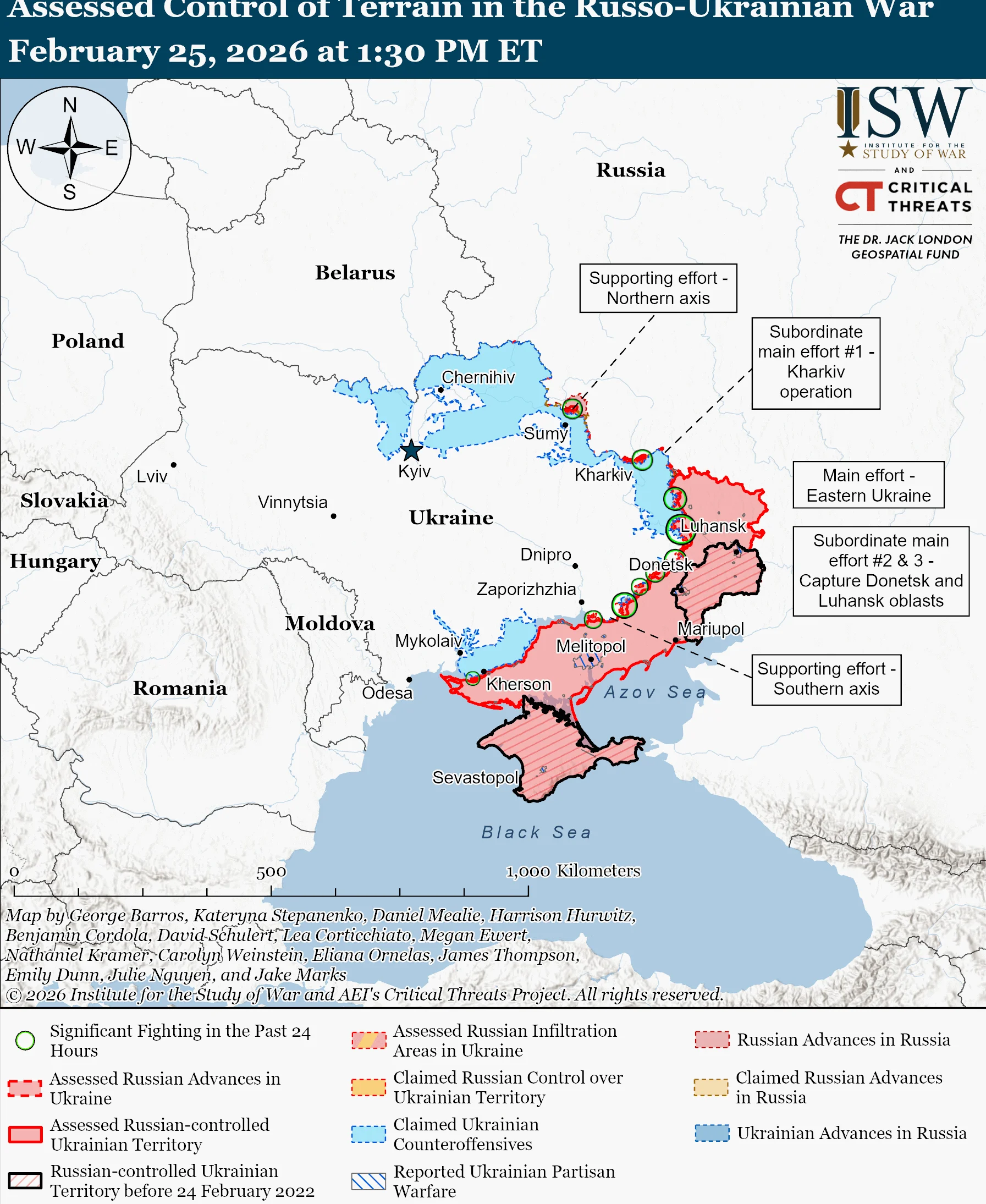
On February 25, 2026, a fertilizer plant in the Russian town of Dorogobuzh became the epicenter of a violent escalation in the ongoing conflict between Russia and Ukraine. The attack, which resulted in seven deaths and ten injuries, was described by local authorities as an act of aggression by Ukrainian forces. The incident not only highlights the intensifying nature of the war but also raises questions about the strategic motivations behind such a targeted strike.
The Strategic Significance of Dorogobuzh
Dorogobuzh, located in the Smolensk region near the Ukrainian border, is a town with a population of approximately 40,000. The plant in question, PJSC Dorogobuzh, specializes in the production of nitrogen fertilizers and chemical products. Its location, while not on the front lines of the conflict, places it in a region that has become increasingly militarized. The attack on the plant is a stark reminder that the war is no longer confined to military installations and urban centers in Ukraine, but has begun to spill over into Russian territory.
The strike on Dorogobuzh aligns with a broader pattern of escalation. On the same day, Kharkiv, a major city in eastern Ukraine, suffered damage from ballistic missiles and a group of UAVs. The attack on Kharkiv, which resulted in several injuries and significant infrastructure damage, was part of a larger wave of strikes across multiple regions of Ukraine. These strikes were accompanied by air raid alerts across most of the country, indicating the scale and coordination of the attacks.
A War of Attrition and Deterrence
The conflict between Russia and Ukraine has entered a new phase, characterized by a war of attrition and deterrence. The recent attacks on Russian soil, including the strike on Dorogobuzh, suggest that Ukraine is testing the limits of Russian tolerance and the effectiveness of its air defenses. This is particularly significant given the ongoing discussions about a potential trilateral meeting involving Ukraine, Russia, and the United States, which had been postponed but is expected to take place in early March.
President Volodymyr Zelenskyy, in a recent address, emphasized the importance of these upcoming talks, stating that they would focus on a possible post-war reconstruction plan and the details of a potential prisoner exchange. Zelenskyy also spoke with U.S. President Donald Trump, indicating a continued commitment to diplomatic engagement despite the ongoing military operations.
On the Russian side, President Vladimir Putin has called for an intensification of counterterrorism efforts, citing threats to Russia’s Black Sea natural gas pipelines. This move suggests that Moscow is preparing for a complex response to the ongoing conflict, combining military, diplomatic, and economic measures. The attack on the Dorogobuzh plant may have been a catalyst for this shift, as it highlights the vulnerability of critical infrastructure in Russia.
The Human Cost of Escalation
The attack on Dorogobuzh is not just a strategic move but also a human tragedy. The loss of seven lives and the injury of ten others have left a profound impact on the local community. The regional governor, Vasily Anokhin, stated that rescue teams had contained the fires and that the Smolensk regional government would provide assistance to the families of the victims. Schools in the region have switched to online teaching, and kindergartens have been closed, reflecting the broader impact of the conflict on civilian life.
Such attacks on civilian infrastructure, whether in Ukraine or Russia, serve as a grim reminder of the war’s human cost. The incident in Dorogobuzh is a stark example of how the conflict is affecting not only military personnel but also ordinary citizens who are caught in the crossfire.
Historical Parallels and Implications
The strike on Dorogobuzh is reminiscent of similar incidents in the past, where attacks on infrastructure have been used to disrupt supply lines and undermine morale. The historical parallels are not only in terms of tactics but also in the psychological impact on both sides. The use of long-range drones and ballistic missiles has become a defining feature of the conflict, with both sides employing these weapons to achieve strategic objectives.
The Institute for the Study of War (ISW) has noted that Ukrainian forces have been making significant gains in the eastern regions of Ukraine, disrupting Russian plans for a potential spring-summer offensive. These gains, while not necessarily leading to a major breakthrough, have forced Moscow to reconsider its military strategy. The ISW has also highlighted the prolonged campaign for Pokrovsk, a town that has been under siege for nearly two years, indicating the complexity and endurance of the conflict.
The attack on Dorogobuzh may be seen as a response to the prolonged Russian campaign in Pokrovsk, where Ukrainian forces have been pushed back but continue to resist. The strategic balance of power in the region is shifting, with both sides making calculated moves to gain an advantage.
The Future of the Conflict
The recent events, including the attack on Dorogobuzh and the increased activity in Kharkiv, suggest that the conflict is far from over. The upcoming trilateral meeting between Ukraine, Russia, and the United States will be a critical moment in the negotiations, as both sides seek to find a path forward. The U.S. has been cautious in its approach, emphasizing that it will not pressure Ukraine to concede on any issue, while also noting that Russia has shown some moderation in its stance.
Despite these diplomatic efforts, the war continues to be defined by its brutal and unpredictable nature. The strike on Dorogobuzh is a clear indication that the conflict is expanding beyond traditional battlefields, with both sides using increasingly sophisticated and destructive methods to achieve their objectives. The future of the conflict will likely depend on the ability of both sides to adapt to these new realities and find a way to de-escalate the situation.
The war in Ukraine has reached a critical juncture, with the potential for further escalation or a negotiated resolution. The attack on Dorogobuzh serves as a stark reminder of the stakes involved and the need for a thorough approach to resolving the conflict. As the world watches, the events in Dorogobuzh may prove to be a turning point in the ongoing struggle between Russia and Ukraine.






Comments
No comments yet
Be the first to share your thoughts