

 The Guardian
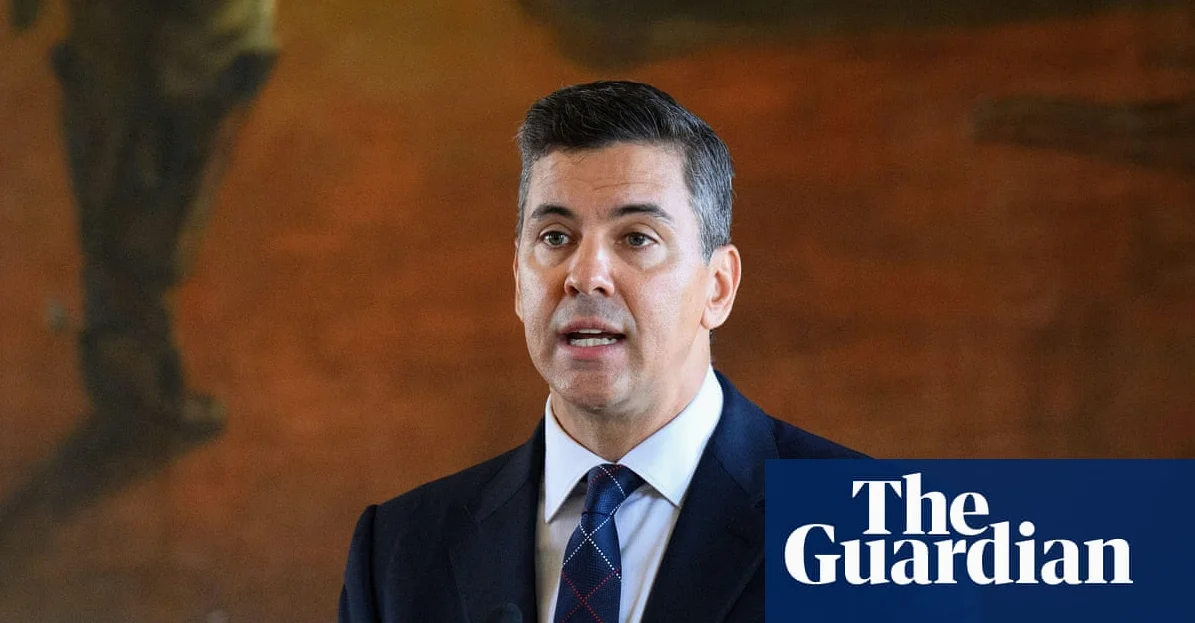
Paraguay’s rightwing president, Santiago Peña, resigned on Thursday following a political and financial crisis that collapsed the South American country’s banking system. The crisis centered on Ueno Bank, which had grown rapidly under Peña’s administration from an obscure digital bank to one of the country’s largest lenders.
Bank Collapse and Public Outcry
Last Monday, Paraguay’s central bank ordered Ueno Bank into resolution over insolvency, freezing the deposits of 3 million customers. This left hundreds of thousands of families unable to access money for food and basic expenses. Bank executives were arrested, and people took to the streets in massive protests.
Peña, 47, had already faced impeachment proceedings with broad support. In a video message, he said, “With my heart set on Paraguay and with the conviction that our republic must always come before any person or circumstance, I have decided to submit my resignation as president of the republic.”
Impeachment and Political Fallout
Lawmakers voted unanimously to launch impeachment proceedings against Peña, alleging misconduct and a conflict of interest in dealings with Ueno Bank. Thousands of Paraguayans gathered outside Congress to protest his leadership.
Peña had previously owned shares in Ueno Holding, the parent company of Ueno Bank, which received authorization to operate as a digital bank in 2023 under his administration. The bank had attracted customers with generous cash-back offers and had managed between $800 million and $850 million in deposits from state and pension entities.
Peña claimed he had made a “mere investment” and had already disposed of all his shares. However, criticism arose over potential conflicts of interest, with lawmakers and media alleging improper favoritism in directing public funds to the bank.
International Reactions and Power Vacuum
Political pressure intensified after former president Horacio Cartes, a former ally, endorsed impeachment. “We must think of the people and of the values we uphold in the Colorado party. We support the impeachment of the president of the republic, Santiago Peña, in order to restore the institutional order of the republic,” he wrote.
Peña’s resignation came after the lower house of Congress approved the impeachment motion, which now moves to the Senate. If passed, he would lose his Senate seat and parliamentary immunity, potentially opening the door to criminal proceedings in the ordinary courts.
Peña, a former finance minister and key ally of U.S. President Donald Trump, has yet to receive a public response from U.S. officials over his resignation. His vice-president, Pedro Alliana, is also suspected of involvement in the Ueno Bank scandal and is expected to assume the presidency if Congress accepts Peña’s resignation.




Comments
No comments yet
Be the first to share your thoughts