

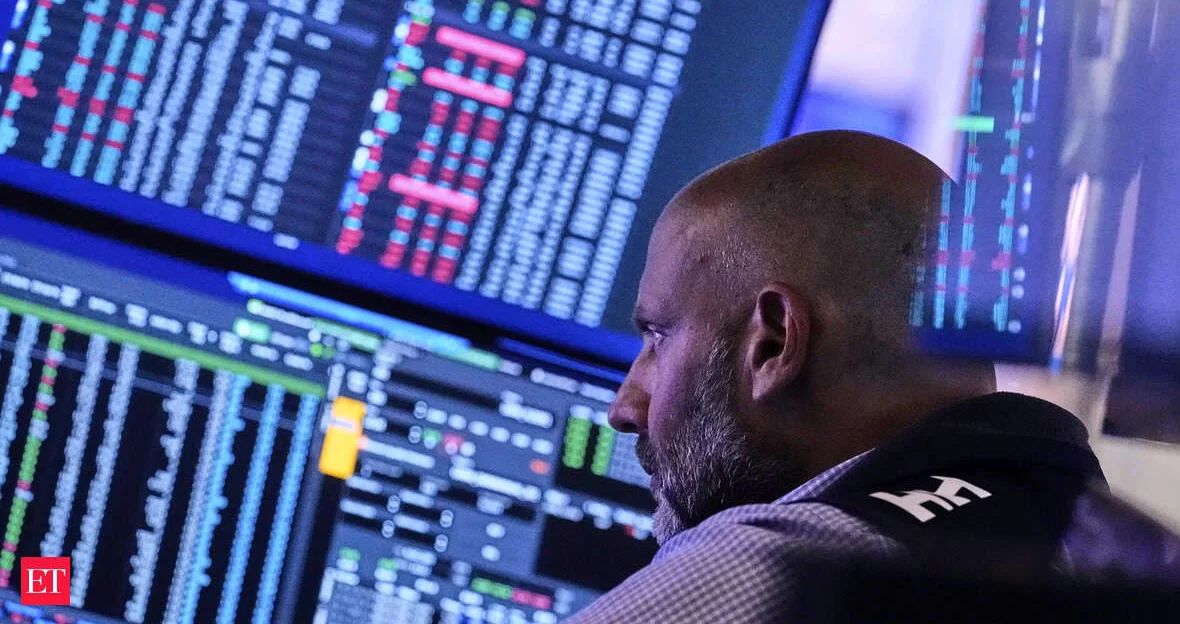
Dow futures plunged more than 600 points in early trading on Monday, March 2, as geopolitical tensions between the United States and Iran escalated following a series of strikes by U.S. and Israeli forces. The sell-off, which saw the S&P 500 futures drop 1.5%, was driven by fears of a broader conflict in the Middle East and renewed concerns about inflationary pressures. Gold prices rose sharply, reflecting investor demand for safe-haven assets amid the uncertainty.
Impact on Global Energy Markets
The U.S. crude oil market experienced a near 9% surge in overnight trading, as concerns over potential supply disruptions in the Middle East pushed energy prices higher. Iran, the fourth-largest oil producer in OPEC, holds a significant share of the global oil market, and any prolonged conflict could severely disrupt global energy flows.
The Strait of Hormuz, a critical chokepoint for global oil trade, has become a focal point of concern. According to Rystad Energy’s geopolitical analyst Jorge Leon, an effective halt of traffic through the strait would prevent 15 million barrels per day of crude oil from reaching global markets, causing a major ripple effect on energy prices and supply chains.
Reports that the U.S.-Israel strikes may have killed Iran’s Supreme Leader, Ayatollah Ali Khamenei, have further heightened fears of a protracted conflict. Iranian officials have vowed retaliation, and signs of counterstrikes have been reported across the Middle East, raising the risk of the conflict spreading to countries with close ties to the United States.
Market Analysts Warn of Heightened Tail Risk
Wall Street strategists are cautioning investors about the increased risk of a sustained conflict, which could have significant implications for global financial markets. Ajay Rajadhyaksha of Barclays noted that the tail risk of a prolonged conflict is higher than in recent years, though he believes the situation is unlikely to drastically alter the U.S. economic outlook in the near term.
“The tail risk of a sustained conflict is higher than in 2024 or 2025, though we don’t see this war escalating to a point where it drastically changes the US outlook,” Rajadhyaksha said, according to CNBC.
Adam Hetts, global head of multi-asset at Janus Henderson, warned that prolonged uncertainty could suppress investor sentiment and weigh on global risk assets. “In a prolonged period of uncertainty, increases in oil prices could generate a global inflationary scare,” he said, as quoted by CNBC.
The current geopolitical situation adds to an already fragile backdrop for U.S. equities. The S&P 500 closed February in the red after a sharp sell-off on Friday, driven by volatility in artificial intelligence and software stocks. Concerns that automation could undermine business models and lead to layoffs have further dampened investor sentiment, compounding fears about the broader U.S. economy.
What’s Next for Global Markets
Analysts are closely monitoring developments in the Middle East, with a particular focus on whether the conflict will escalate further or de-escalate quickly. The coming days will be crucial in determining the trajectory of global markets, as any prolonged hostilities could lead to a deeper economic slowdown.
“Early this week is too early to buy any dip, especially with investors used to a pattern of quick de-escalation,” Rajadhyaksha said, highlighting the uncertainty that persists in the current market environment.
The situation highlights the interconnectedness of global markets and the potential for geopolitical tensions to have far-reaching economic consequences. As the world watches the unfolding events, investors are advised to remain cautious and prepare for further volatility.






Comments
No comments yet
Be the first to share your thoughts