

 BBC
BBC 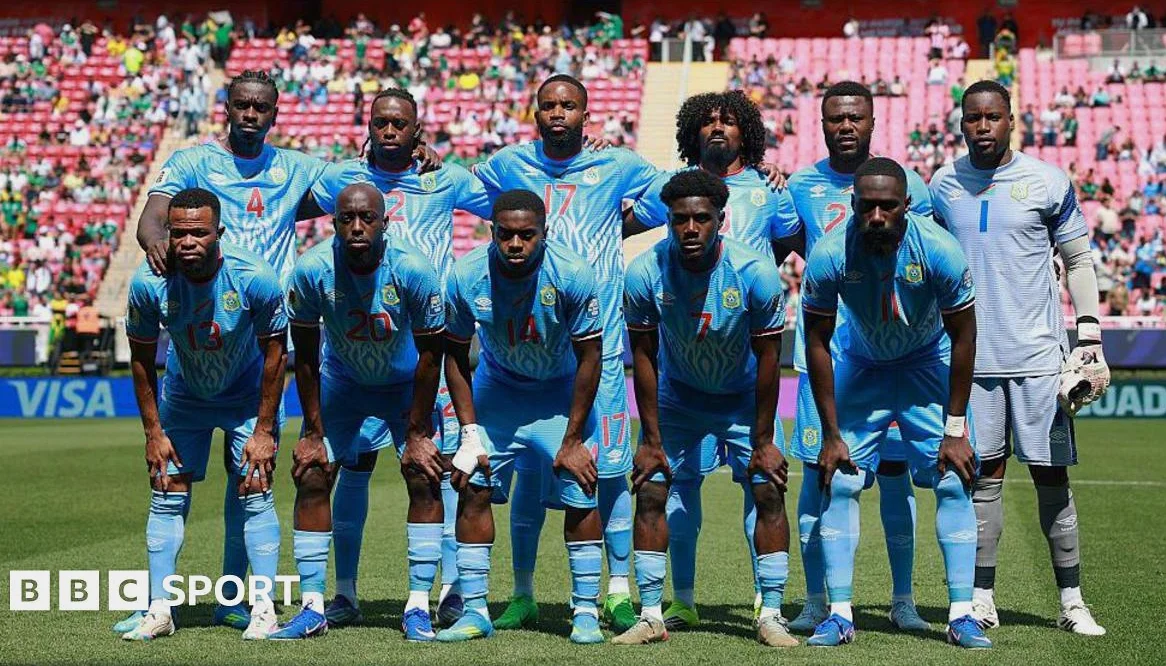
The Democratic Republic of Congo’s World Cup squad has been instructed to isolate for 21 days before entering the U.S. due to the Ebola outbreak, according to the BBC. The team has relocated to Belgium for training after their scheduled camp in Kinshasa was cancelled. Andrew Giuliani. Executive director of the White House Task Force for the World Cup, emphasized the need for the squad to remain in a ‘bubble’ in Belgium to ensure they can compete in the tournament.
21-Day Isolation Mandate in Place
Giuliani said the players must remain in the ‘bubble’ or risk being unable to travel to the United States. ‘We cannot be any clearer,’ he told ESPN. The Centers for Disease Control and Prevention (CDC) in the U.S. has banned entry from non-Americans who have been in the DR Congo, Uganda, or South Sudan in the previous 21 days.
All DR Congo’s players are based outside the country and will not be affected by the restrictions now that the training camp has been cancelled; Giuliani added that if other individuals plan to join the team, they must maintain a separate ‘bubble’ to avoid any risk of spreading the virus.
World Health Organization Raises Risk Level
On Friday. The World Health Organization (WHO) raised the public health risk from the Ebola outbreak in the Democratic Republic of Congo from ‘high’ to ‘very high.’ WHO director-general Dr. Tedros Adhanom Ghebreyesus said the risk in the wider region in Africa remains ‘high,’ but it is still ‘low’ globally.
Dr. Congo’s team is set to play friendlies against Denmark on 3 June in Belgium and Chile on 9 June in Spain — the World Cup runs from 11 June to 19 July, with DR Congo’s opening match scheduled for 17 June against Portugal.
Concerns Over Travel and Health Protocols
Giuliani reiterated the importance of maintaining strict isolation protocols to protect the integrity of the tournament. ‘If they end up coming, and any of those people end up symptomatic, they are risking the entire team being able to come and compete in this World Cup,’ he said. The team’s training in Belgium is now critical to ensuring they can meet the health requirements set by the U.S. government and the World Cup organizers.






Comments
No comments yet
Be the first to share your thoughts