

 Bloomberg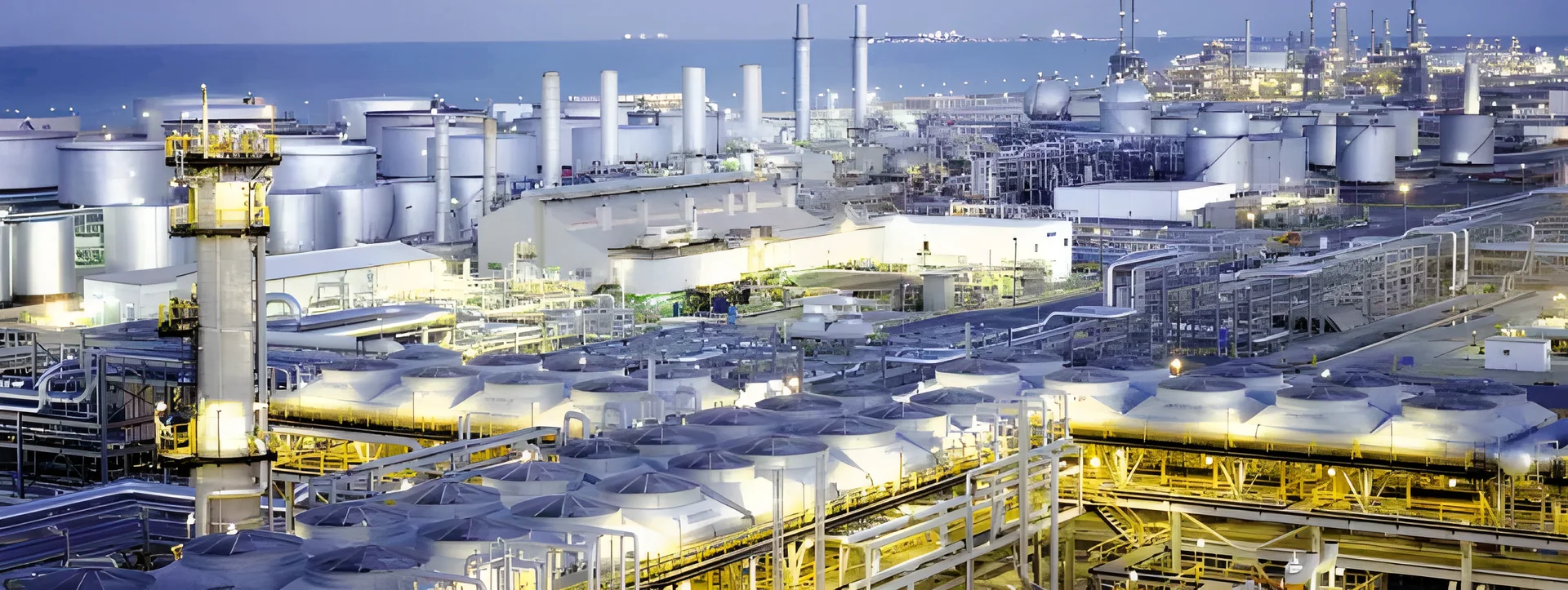
A drone attack near Saudi Arabia’s Ras Tanura refinery on the Persian Gulf coast led to the immediate shutdown of the facility, according to the Saudi Energy Ministry. The 550,000-barrel-per-day refinery, the largest in the country, was closed as a precaution while damage was assessed. The incident has raised concerns about the stability of global energy markets amid a surge in hostilities across the Middle East.
Escalating Tensions in the Persian Gulf
The strike occurred amid a broader escalation of violence in the region. The U.S. and Israel launched attacks on Iran, prompting the country to retaliate with hundreds of missiles and drones targeting energy infrastructure across the Middle East. The attack on Ras Tanura follows similar strikes on facilities in Qatar and Kuwait, highlighting the vulnerability of critical energy assets.
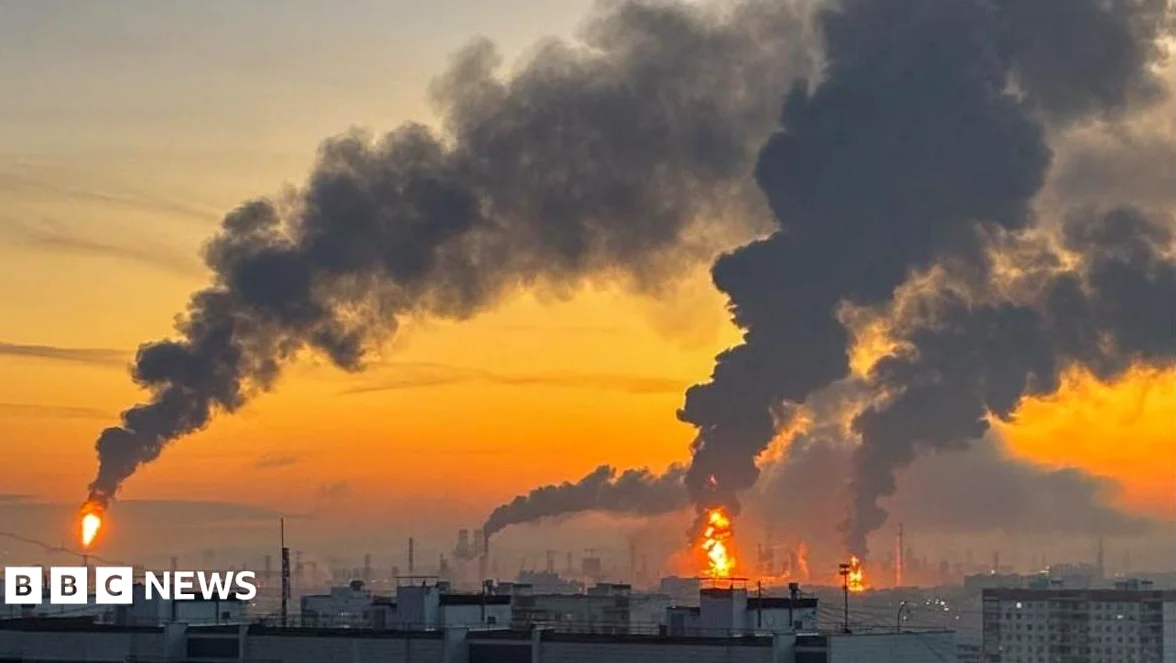
The Saudi Press Agency reported that a ‘limited’ fire broke out at the refinery due to debris from the interception of two drones. The blaze was ‘immediately contained,’ but the closure of the plant has disrupted supply chains. Aramco, the state-owned oil company, did not comment on the incident, according to the report.
Immediate Impact on Global Oil Markets
News of the refinery’s shutdown sent shockwaves through global markets. ICE gasoil futures surged more than 20%, the largest intraday gain since March 2022, as traders reacted to the loss of a major diesel supplier. Crude oil prices in London rose nearly 9%, reaching around $79 a barrel, reflecting fears of supply disruptions in a region already grappling with geopolitical tensions.
The Ras Tanura refinery is a key supplier of transport fuels like diesel to European buyers. Its closure could exacerbate fuel shortages in the region and drive up prices for consumers. Nearby, Aramco’s largest export terminal for crude and oil products remains operational, according to Bloomberg tanker tracking data.
Broader Regional Fallout
The attack on Ras Tanura is part of a wider pattern of strikes targeting energy infrastructure in the Middle East. QatarEnergy suspended liquefied natural gas production after attacks on facilities in Ras Laffan and Mesaieed. In Kuwait, debris from intercepted missiles fell on a refinery site, and a power station was hit.
The Strait of Hormuz, a vital artery for global oil shipments, saw maritime traffic nearly halt over the weekend due to the heightened threat of attacks. This has raised concerns about the security of global oil flows through one of the world’s most strategic waterways.
The Ras Tanura refinery is not only a major supplier of diesel but also a critical hub for Aramco’s export operations. The facility includes storage tanks, berths at the port, and offshore loading points. While crude exports from the area appear to be running at full speed, the shutdown of the refinery could still have long-term implications for regional energy stability.
Experts warn that the increasing frequency of attacks on energy infrastructure could lead to prolonged disruptions in global markets. The situation remains fluid, with no immediate indication of when the refinery will resume full operations.




Comments
No comments yet
Be the first to share your thoughts