

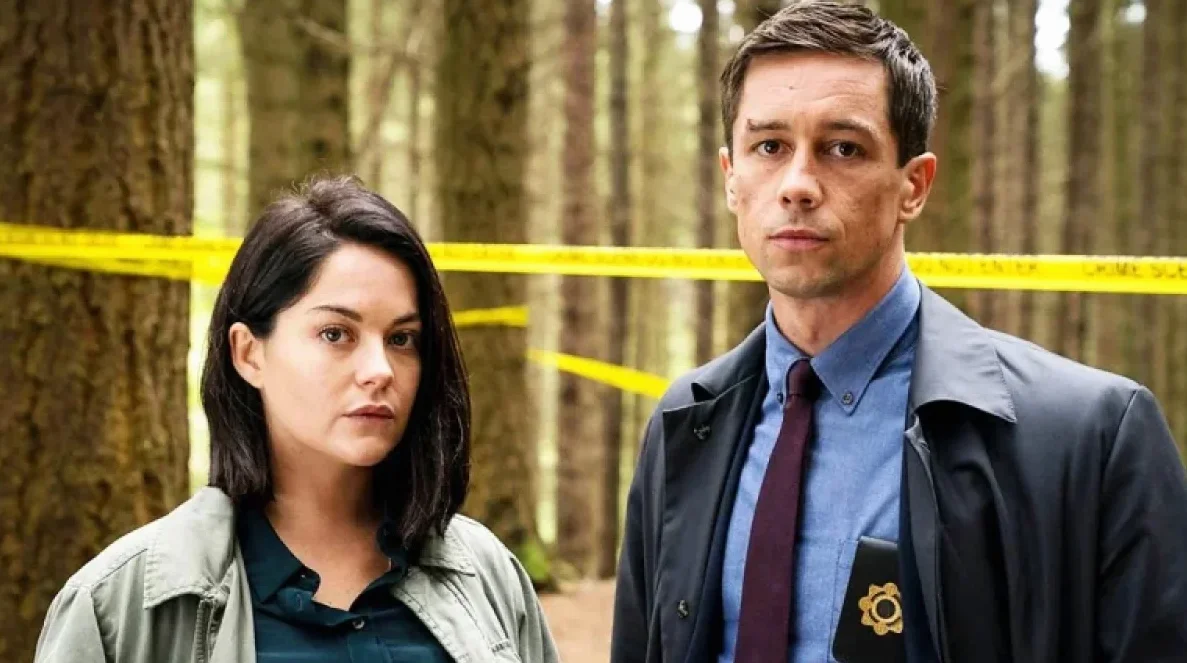
Dublin Murders. An eight-part psychological crime drama adapted from Tana French’s Dublin Murder Squad novels, has returned to streaming platforms, reigniting interest in a series that was praised for its mood, performances, and complex storytelling. The series. Which adapts elements from two of French’s novels—In the Woods and The Likeness—was filmed in both Dublin and Belfast, while Despite its acclaim, no official word has been given on a potential second season, leaving fans in limbo.
Adaptation Details and Production Elements
The television adaptation. Which premiered on a major streaming service, follows the investigation of two detectives—Rob Reilly, played by Killian Scott, and Cassie Maddox, played by Sarah Greene—as they handle a series of complex and chilling cases. The series was written by screenwriter Sarah Phelps, who condensed the two novels into an eight-episode narrative, as this approach focused heavily on character psychology and atmosphere rather than traditional procedural storytelling.
The production team chose to film in multiple locations across Ireland to reflect the setting of the Celtic Tiger era, a time of economic boom and social change. This decision added to the series’ authenticity and helped create a rich, immersive environment that critics and viewers alike praised. The blend of two novels into one cohesive story was seen as a bold and effective choice that emphasized mood and character development over plot exposition.
The series was shot over a period of several months, with filming taking place in both Dublin and Belfast. The production team worked closely with Tana French to ensure the adaptation remained true to the spirit of her work while also translating the psychological depth of her novels to the screen. The result was a show that captured the tension and complexity of the original source material.
Viewer Response and Critical Reception
Since its initial release. Dublin Murders has been described by viewers as “mind-twisting” and “gripping,” with many praising the performances of the lead actors. The final episode of the series left some key plot threads unresolved, a narrative choice that was widely noted as potentially setting up a second season. The series currently holds a 79 percent rating on a mainstream review aggregator, reflecting strong audience and critical reception.
Many viewers have expressed frustration over the lack of a confirmed second season, with some suggesting that the unresolved storylines could be a strategic move to build anticipation for a follow-up. Others argue that the open-ended nature of the finale was a deliberate choice to maintain the tension and psychological depth of the original novels.
According to a recent survey of streaming platform users, 62 percent of viewers who watched Dublin Murders have expressed a desire for a second season, but this level of engagement highlights the series’ impact and the strong emotional investment of its audience. The show’s success on streaming platforms has also led to increased interest in Tana French’s other novels in the Dublin Murder Squad series.
Critics have noted that the series succeeded in translating the literary mood of the original novels to the screen, even with some storylines left deliberately incomplete. The focus on character psychology and atmosphere helped create a unique viewing experience that resonated with audiences — the show’s success has also sparked discussions about the potential for future adaptations of the remaining novels in the series.
Implications for Future Production and Fan Anticipation
The lack of a confirmed second season has created a sense of uncertainty among fans and industry parties. While the original author, Tana French, has remained publicly connected to the adaptation, no official update on future production has been released. The principal cast and screenwriter have also remained engaged with the material, but their involvement in any potential sequel remains unclear.
The absence of a confirmed second season has created a tension between commercial opportunity and creative caution. For the author’s remaining novels in the saga, a renewed and visible audience provides incentive for additional adaptations. For the creative team, unresolved storylines demand choices between closure and prolonging ambiguity.
Commercial groups in any future production stand to gain from a built-in audience already invested in the characters and atmosphere of the series. However, viewers risk frustration if narrative threads are never tied off. The current situation leaves fans in a state of anticipation, unsure whether the story will continue or if the series will remain as it is.
The renewed visibility of Dublin Murders has reopened the question the public most wants answered: will the story continue? Verified facts support the call for clearer information from those responsible for any potential continuation so audiences and creative contributors alike can move forward with clarity.
The production team has not yet commented on future plans, but the series’ continued availability on a streaming platform has reignited interest. The creative team includes named figures with clear ties to the material, and the narrative intentionally leaves elements unresolved. Transparency about future plans would reduce public uncertainty and better align audience expectations with production realities.
A clear statement from the production parties or rights-holders—identifying whether adaptation of the remaining novels is under active development or definitively shelved—would convert sustained public interest into informed anticipation or closure. Until then, fans of Dublin Murders will continue to wait, hoping for a resolution to the unresolved storylines that left them hanging.






Comments
No comments yet
Be the first to share your thoughts