

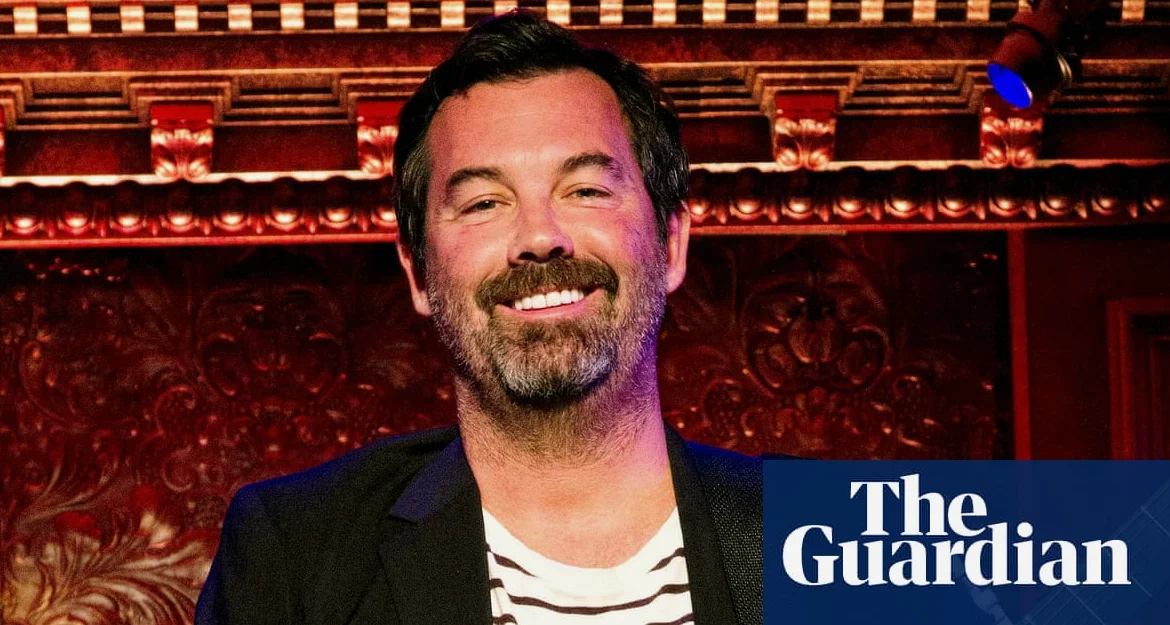
Duncan Sheik, the singer-songwriter behind the 1990s alt-pop hit “Barely Breathing” and the composer of the Tony-winning musical “Spring Awakening,” died on Thursday at a Manhattan hospital at the age of 56. His death was confirmed by his mother, Suzanne Sheik, to the New York Times.
A Legacy in Music and Theater
“It is with profound sadness that we confirm the passing of Duncan Sheik,” a spokesperson for Sheik told People. “The world has lost a singular talent, and deeply influential voice in music and theater … Duncan’s artistry touched many and leaves an indelible mark on the cultural area.”
Sheik’s Instagram post on Friday morning confirmed his death, stating that he passed away “surrounded by love.” The post also described him as a “father, husband, son, brother, and friend.” Earlier in the week, his team had shared a message indicating he was “receiving medical care” and was “in critical but stable condition.”
Rise to Fame and Creative Evolution
Sheik rose to fame in 1996 with the release of his self-titled debut album, which included the Grammy-nominated hit “Barely Breathing.” The song reached No. 16 on the Billboard Hot 100 chart. Following his debut, he released several albums, including “Humming” in 1998, “Phantom Moon” in 2001, and “Daylight” in 2002.
Born on November 18, 1969, in Montclair, New Jersey, Sheik later expanded his career into musical theater. He collaborated with lyricist Steven Sater to compose the music for “Spring Awakening,” which opened on Broadway in 2006. The musical won multiple Tony and Grammy Awards and was a defining work in the theater world.
Final Days and Personal Life
In the weeks leading up to his death, Sheik was frequently in and out of the hospital. On August 20, he posted a photo on social media captioned: “I would prefer to be home making music. But a bit of reflection is not too bad … boring hospital stays have their benefits (outside the obvious).”
Known for his cerebral and soft-spoken nature, Sheik held a semiotics degree from Brown University. He moved to Los Angeles in 1992 to record a demo after playing backup guitar for friend and classmate Lisa Loeb. His artistic contributions spanned decades, influencing both pop and theater music.
“Duncan was a father, husband, son, brother, and friend,” the family statement continued. “He will be remembered for his sensitivity, wit, intelligence, and depth of spirit he brought to those who knew and loved him. We are deeply grateful for the outpouring of love from his fans, friends, collaborators, and the artistic community. His musical legacy will continue to inspire generations to come.”


Comments
No comments yet
Be the first to share your thoughts