

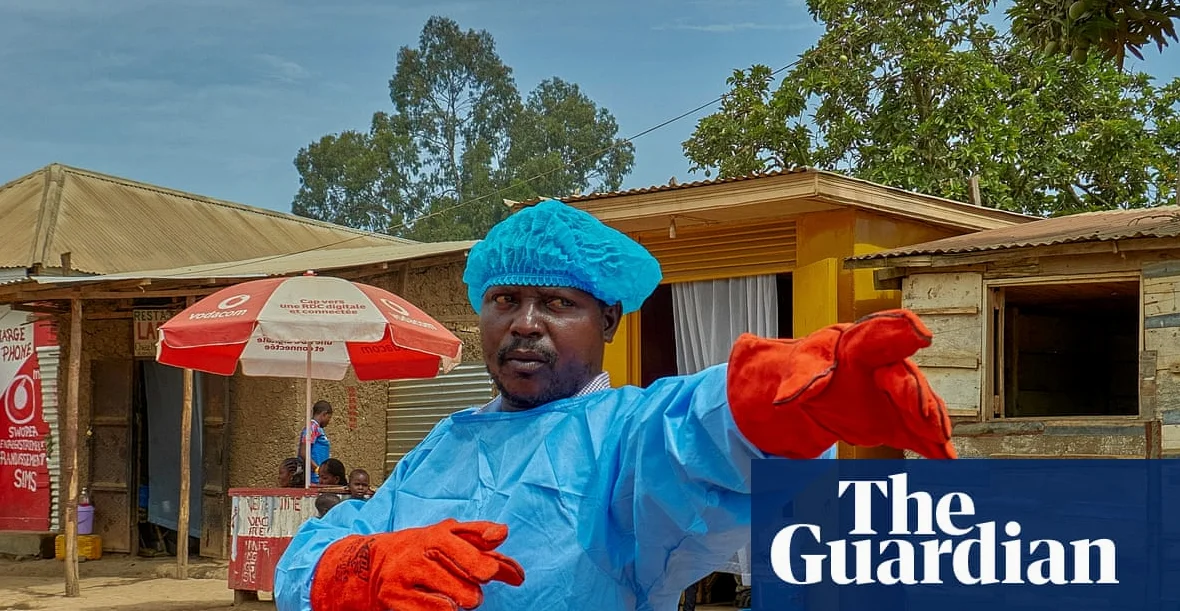
Security Challenges Hamper Response
In north-eastern Congo, authorities have banned funeral wakes and gatherings of more than 50 people due to the outbreak. Armed soldiers and police are now guarding some burials carried out by aid workers. The first burning of an Ebola centre in Rwampara was by a group of young men trying to retrieve a friend’s body, according to witnesses and police. The crowd accused the foreign aid group operating there of lying about Ebola.
Eastern Congo has long been affected by conflict. The Rwanda-backed M23 rebels control parts of the region, while the Congolese government’s control of Ituri province is tenuous. The Allied Democratic Forces, a Ugandan Islamist group linked to Islamic State, is one of the dominant rebel groups there and is responsible for attacks against civilian targets.
Healthcare System Under Strain
Before the outbreak, Doctors Without Borders reported that insecurity in Ituri had worsened, causing doctors and nurses to flee. This has left health facilities overwhelmed, with some areas experiencing “catastrophic conditions.” The UN humanitarian office says almost 1 million people have been displaced from their homes by conflict in Ituri.
According to Gabriela Arenas, a regional coordinator at the International Federation of Red Cross and Red Crescent Societies, the Ebola outbreak is “unfolding in communities already facing insecurity, displacement and fragile healthcare systems.” There are concerns the disease might spread to the large displacement camps near the city of Bunia, where the first cases were reported.
Regional Alert and Travel Restrictions
At least seven deaths have been confirmed in Congo, according to the World Health Organisation. The WHO has raised the alert level to “very high,” and several countries bordering Congo have intensified preventive measures, including restricting travel from the country.
Three new cases were announced in Uganda on Saturday, bringing the total confirmed cases since the current outbreak to five, according to the Health Ministry. The Africa Centres for Disease Control and Prevention (Africa CDC) has identified ten countries, including Rwanda, Kenya, Tanzania, Angola, Burundi, the Central African Republic, the Republic of Congo, Ethiopia, South Sudan, and Zambia, as facing the risk of an Ebola outbreak.
Health authorities in Congo continue surveillance, screening, and awareness activities in the affected areas. Vigilance and adherence to prevention measures remain essential, according to the Communications Ministry. In Ituri, social activities have been suspended, including sports, to prevent the spread of the virus.






Comments
No comments yet
Be the first to share your thoughts