

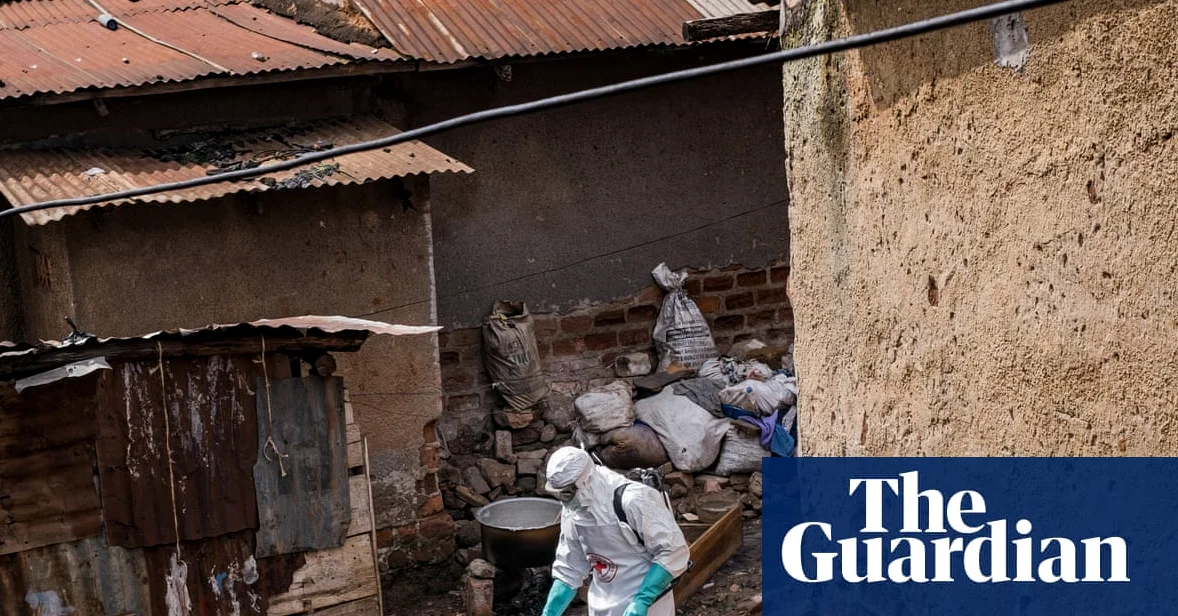
Ebola is spreading rapidly in parts of east Africa, with the deadly disease suspected to have claimed the lives of at least 240 people since the outbreak began in Ituri province in the Democratic Republic of the Congo earlier this month. The virus has already spread to other regions in eastern DRC and the Ugandan capital, Kampala.
Challenging Environment Complicates Containment
The crisis is unfolding in one of the most difficult settings for an outbreak: Ituri province, a mining hub and conflict zone with ongoing fighting between rebel groups. Medical facilities are modest. And waves of displaced people are being forced into overcrowded camps to escape violence, making it even harder to control transmission.
Experts warn that the rapid response infrastructure from previous Ebola outbreaks has been stripped back so much it is barely fit for purpose — this has hampered efforts to contain the virus and save lives.
Impact of Aid Cuts
According to The Guardian. The cuts in aid began under the Trump administration and have continued, with significant portions of USAID being gutted. The United States has withdrawn from the World Health Organization (WHO) and cancelled more than 80 percent of U.S. foreign aid programs, according to the World Socialist Web Site. Public health workers in the region say these cuts have crippled the disease surveillance systems that might have caught the outbreak sooner.
U.S. Secretary of State Marco Rubio claimed Tuesday that the WHO was “a little late” to identify the Ebola epidemic in the DRC and Uganda; WHO Director-General Tedros Adhanom Ghebreyesus responded sharply, acknowledging that the true scale of the outbreak is much larger than the current provisional figures suggest. As of WHO’s media briefing, 51 cases had been confirmed in the DRC, alongside almost 600 suspected cases and 139 suspected deaths.
Response Efforts and International Role
Rubio said the U.S. had committed roughly $13 million to address the crisis and hoped to open “around 50 clinics” in remote areas of the conflict-affected country. However, the response from WHO leaders was pointed, as they emphasized the need for a more coordinated and timely international response.
According to experts, the lack of a reliable response infrastructure is due in large part to the cuts in funding and support for global health initiatives. Dr. Papys Lame, the Ebola outbreak response coordinator in Ituri for the NGO Alima, and Selena Victor, senior director of policy and advocacy for Mercy Corps, discussed these challenges on a recent First Edition report.
The ongoing conflict in the region and lack of stable medical facilities further complicate containment efforts. Public health officials continue to work under significant strain, with limited resources and infrastructure to manage the outbreak effectively.






Comments
No comments yet
Be the first to share your thoughts