

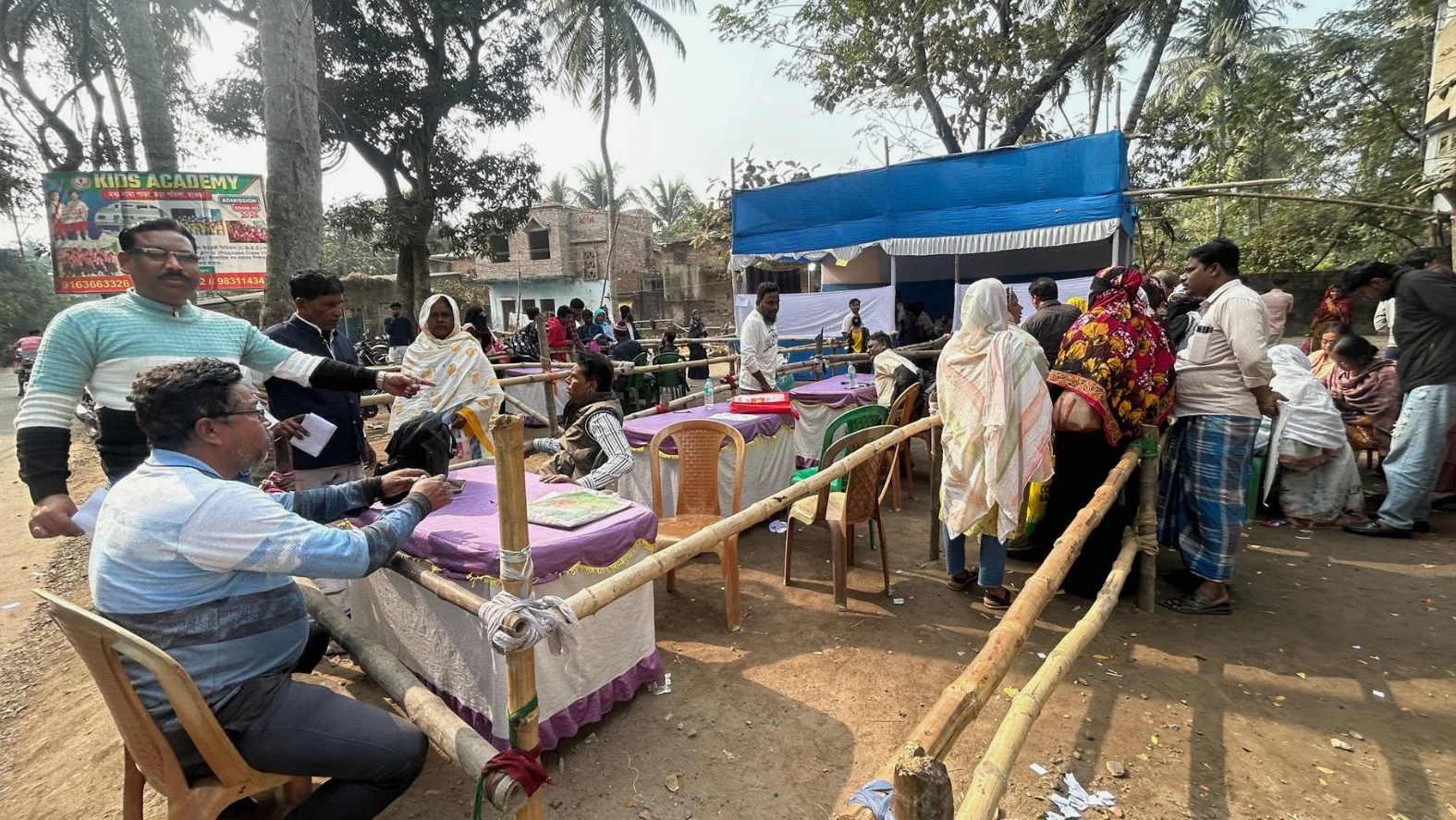
The Election Commission of India has set up 19 appellate tribunals to handle appeals against judicial orders regarding the eligibility of 60.06 lakh electors in West Bengal. This move comes as part of the Special Intensive Revision (SIR) process, aimed at verifying electoral rolls ahead of the state’s upcoming assembly elections on April 23 and 29.
Structure of the Appellate Tribunals
The EC has named 19 former judges as single-member tribunals for the 23 districts in West Bengal; most of these judges will be assigned to a single district, though three have been given oversight of multiple districts. Among the appointed judges is former Calcutta High Court Chief Justice T.S; Sivagnanam, who will handle appeals in North 24 Parganas and Kolkata — the selection was made based on orders from the Supreme Court and recommendations from the Calcutta High Court’s chief justice, Sujoy Paul.
These officials are required to digitise and upload the appeals onto the ECINET platform, ensuring a cut process for handling the large volume of cases. The EC’s order states that any person who wishes to appeal against the decisions of judicial officers can do so through the ECINET website or in person at the offices of District Magistrates, Sub-Divisional Magistrates, or Sub-Divisional Officers.
According to the EC. The appellate tribunals will come into effect immediately and will cease to exist once all appeals have been resolved in the respective districts; this move aims to expedite the appeal process and ensure that the electoral roll is finalised in time for the upcoming elections.
Judicial Officers and the SIR Process
Judicial officers appointed by the Supreme Court on February 20 are currently reviewing the eligibility of 60.06 lakh electors flagged during the SIR process — these officers are tasked with deciding whether these individuals can remain on the electoral rolls. Once their decisions are made. The EC will publish supplementary lists of electors, as mandated by the Supreme Court.
The SIR process in West Bengal has been more extensive than in other states, with a focus on verifying voter eligibility and reducing discrepancies in the electoral rolls. The process has drawn attention from legal experts and political observers, who are closely watching how the judicial and appellate processes unfold.
According to the EC. The SIR process has already led to the removal of a significant number of names from the electoral rolls, raising concerns about the potential impact on voter turnout and the fairness of the upcoming elections. However, the EC has maintained that the process is necessary to ensure the integrity of the electoral system.
Legal experts have noted that the establishment of appellate tribunals is a critical step in ensuring that appeals are handled efficiently and in accordance with the law. This process will provide an avenue for individuals whose names have been removed from the electoral rolls to challenge the decisions of judicial officers.
Implications for the Upcoming Elections
The upcoming assembly elections in West Bengal have been scheduled for April 23 and 29, leaving a tight timeline for resolving all appeals and finalising the electoral rolls. This has raised concerns about the potential for delays and the need for the EC to manage the process effectively.
Analysts warn that any delays in resolving the appeals could impact the smooth conduct of the elections. The EC has been under pressure to ensure that the electoral process remains transparent and free from controversy, particularly given the political sensitivity of the upcoming polls.
The Supreme Court has been closely monitoring the situation, with the judicial officers required to submit their decisions promptly. The EC has also stated that it will take all necessary steps to ensure that the appellate tribunals function efficiently and that all appeals are resolved in a timely manner.
Political observers note that the outcome of the SIR process and the subsequent appeals could have a significant impact on the electoral dynamics in West Bengal. The finalisation of the electoral rolls will determine the voter base for each party and could influence the outcome of the elections.
The EC has not commented on the potential political implications of the process but has reiterated its commitment to ensuring a fair and transparent electoral process. The establishment of the appellate tribunals is seen as a step toward achieving that goal.
The SIR process in West Bengal is part of a broader initiative to strengthen the electoral system across the country. Similar processes have been undertaken in other states, though the scale and intensity of the process in Bengal have been rare.
The EC has stated that the appellate tribunals will be disbanded once all appeals are resolved, ensuring that the process does not become a long-term administrative burden. The focus remains on completing the SIR process and preparing for the upcoming elections in a timely and effective manner.






Comments
No comments yet
Be the first to share your thoughts