

 Bloomberg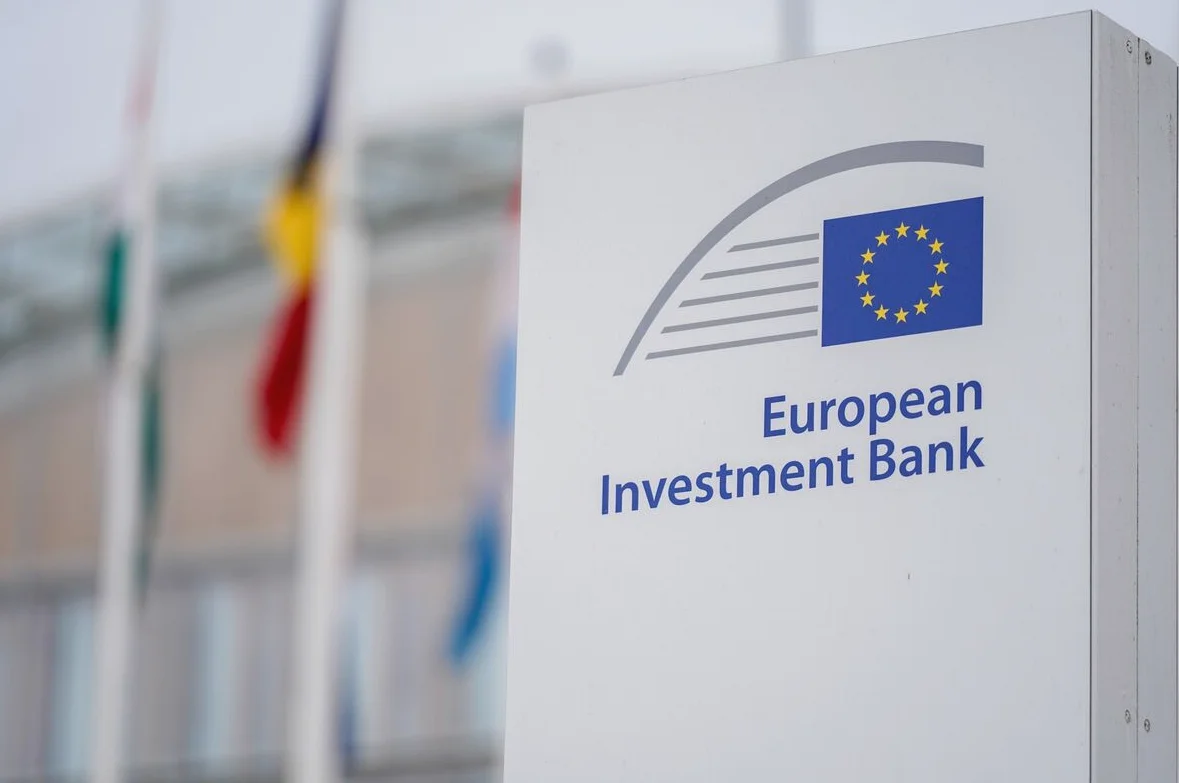
The European Investment Bank (EIB) has made its largest defense investment to date, committing €50 million to Berlin-based venture capital firm Join Capital, which is raising €235 million to fund early-stage European defense technology startups. The investment, announced Wednesday, marks a significant shift in the EIB’s focus toward bolstering European defense capabilities amid growing concerns over reliance on U.S. military support.
Defense Investment Surges Across Europe
The EIB’s contribution to Join Capital’s third fund is part of a broader trend of increased defense spending across Europe. According to a report from the International Institute for Strategic Studies (IISS), European defense spending now accounts for more than 21% of global military expenditures, up from 17% in 2022. This rise reflects a strategic push by European nations to reduce dependency on the U.S. for security.
Most NATO member states have pledged to more than double their defense budgets, aiming to reach 5% of GDP by 2024. Germany, a key player in this initiative, has already exempted billions in fresh defense spending from its borrowing limits to meet these targets. The EIB’s investment aligns with this goal, supporting private equity and venture capital funds focused on defense innovation.
In January 2024, the EIB launched the Defence Equity Facility on behalf of the European Commission to encourage investment in defense technology startups. Join Capital, which has previously backed companies such as Optics 11, Kreios Space, and Quantum Optics Jena, plans to invest in over two dozen early-stage deep-tech startups across Europe. These ventures are focused on defense, security, and space technologies.
Energy Market Turmoil Adds Pressure
While the EIB’s investment signals a strategic shift toward strengthening European defense capabilities, the energy sector is facing its own challenges. European natural gas prices have halted their largest rally in four years after reports that Iran is ready to discuss ending the conflict in the Middle East, which has rattled global energy markets.
Benchmark gas futures dropped as much as 9.5%, reversing an earlier gain. The New York Times reported that Iran has made an offer to discuss terms for ending the war, but U.S. officials remain skeptical about the short-term viability of such talks. Rabobank energy strategist Florence Schmit noted that while the report suggests Iranian openness to dialogue, a return to pre-March price levels would depend on a cessation of attacks.
Fears of deep disruption to global oil and gas supply are intensifying as fresh attacks flare in the Middle East. Natural gas prices surged 70% in the previous two sessions, with major energy infrastructure caught in the crosshairs of the conflict. The situation has raised concerns of a shock similar to the one caused by Russia’s invasion of Ukraine in 2022, which upended global energy trade.
Europe’s Gas Supply Vulnerability
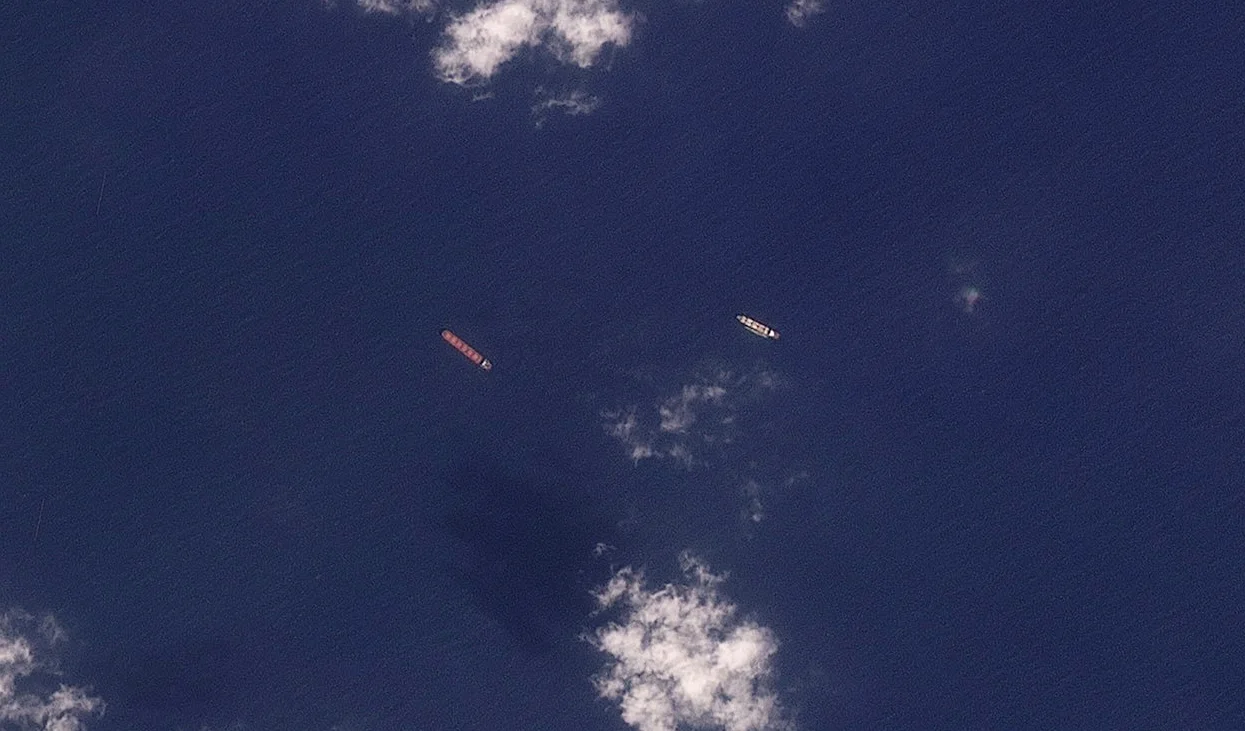
The world’s largest liquefied natural gas (LNG) plant in Qatar remains halted, and uncertainty over its restart is fueling worries about a potential supply crunch. The Strait of Hormuz, a critical waterway for oil and LNG, remains largely closed, although U.S. President Donald Trump said on Tuesday that the U.S. will insure vessels crossing the narrow passage and escort them “if necessary.”
While Asian countries currently buy most of the LNG shipped from the Middle East, prolonged disruptions could increase competition for alternative supplies, keeping prices elevated globally, including in Europe. European energy traders are particularly concerned this summer, as the continent needs to buy large volumes of LNG to replenish depleted gas reserves.
Traders are also monitoring potential shifts in LNG shipping routes, with some vessels possibly diverting to Asian countries or Egypt, which lost pipeline supplies from Israel. Pallav Kant, a quantitative analyst at Energy Aspects, noted that with European storage already depleted and Asian price spreads widening, there is limited buffer and no clear ceasefire timeline to anchor market expectations.
The crisis has also impacted financial markets, with implied volatility—a measure of the cost of derivative contracts—jumping to multiyear highs since the start of the week. Trading volumes in Europe’s key gas exchange have reached fresh records, while open interest in benchmark contracts has declined as market players close positions after the recent rally.
“We’re seeing widespread position reduction and a rush to hedging—classic risk-off behavior in uncertain times,” said Marco Saalfrank, head of continental Europe merchant trading at Swiss-based Axpo Holding AG. Dutch front-month gas futures, Europe’s benchmark, fell 8.2% to €49.85 a megawatt-hour by 11:44 a.m. in Amsterdam, reversing earlier gains of as much as 13%.



Comments
No comments yet
Be the first to share your thoughts