

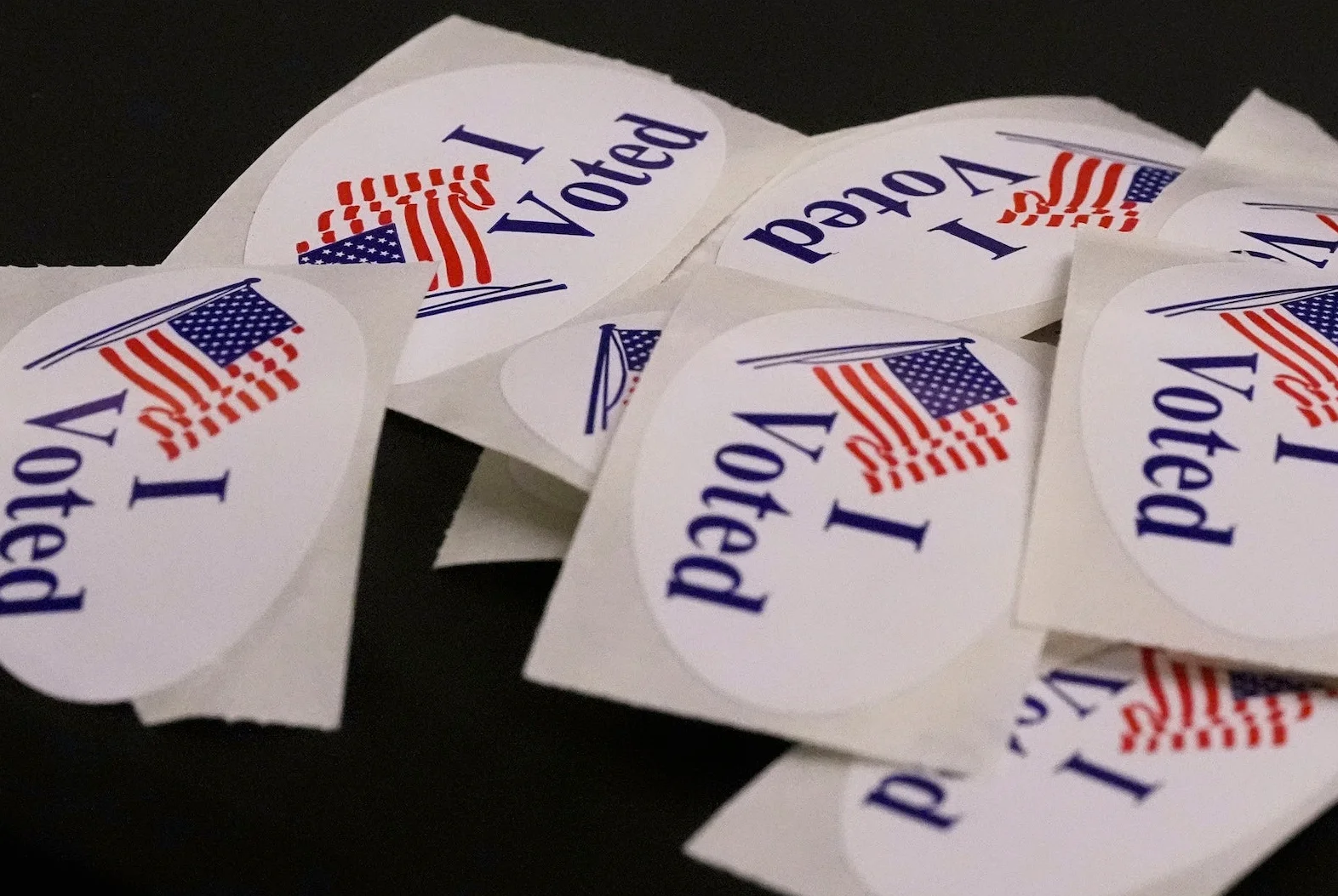
Election results across different regions and countries have shown significant political developments and concerns; In Alabama, primary elections for the U.S; House, Senate, and governor on May 19 set the stage for November’s general elections. Meanwhile, in Andalusia, Spain, Juanma Moreno secured 41.5% of the vote, placing him sixth among the Partido Popular’s regional leaders; In Germany, the chemical industry has expressed concerns over potential political risks following upcoming state elections.
Alabama Primaries Set November Stage
In Alabama, only three congressional districts,3, 4, and 5—held primaries on May 19, with the remaining districts scheduled for an August 11 special primary; the shift in election dates followed the Supreme Court’s approval of a new congressional map favoring Republicans, as noted by Gov. Kay Ivey.
Incumbent Rep. Mike Rogers won District 3 with 83.1% of the estimated votes. In District 4, Rep. Robert Aderholt claimed victory with 77.6% of the vote. District 5 saw a runoff between Andrew Sneed and Candice Duvieilh after neither secured an outright win. For the U.S. Senate, Barry Moore advanced with 39.7% of the votes, while Democrats Everett Wess and Dakarai Larriett will also contest a runoff.
Andalusia Results Place Moreno Sixth Among PP Leaders
In Andalusia, Spain, Juanma Moreno received 41.5% of the votes in the 2026 regional election, allowing him to continue as head of the Junta de Andalucía. However, the result places him sixth among the Partido Popular’s regional leaders. Alfonso Rueda in Galicia and Isabel Díaz Ayuso in Madrid led with 47.4% and 47.3% of the votes, respectively, with other PP leaders also exceeding Moreno’s percentage.
Moreno’s result is strategically significant for the Partido Popular’s national leadership due to Andalusia’s political and demographic weight. The region is the most populous in Spain and holds 109 seats, making it a key bastion for the party. The full ranking of PP regional leaders by vote percentage shows Moreno in sixth place, behind leaders in Galicia, Madrid, La Rioja, Extremadura, and Murcia.
Political and Industrial Concerns in Germany
German industrial leaders, particularly in the chemical sector, have expressed concerns over potential political risks following upcoming state elections in Saxony-Anhalt, Mecklenburg-Western Pomerania, and Berlin. In Saxony-Anhalt, the AfD is leading in polls, with elections scheduled for September 6. The AfD is also ahead in Mecklenburg-Western Pomerania, where elections are due on September 20.
Nora Schmidt-Kesseler, Managing Director of the Northeast Chemicals Associations, noted growing concerns among companies about election outcomes. The sector is already under pressure from high energy and raw material costs, weak demand from key industries, and geopolitical uncertainties. These challenges are exemplified by announced plant closures, such as those by Dow, and rescue efforts, such as those for Domo in Leuna.






Comments
No comments yet
Be the first to share your thoughts