

Logistical Delays and Political Rhetoric
A White House spokesperson confirmed that Vice President JD Vance will not be traveling to Switzerland for the technical talks as initially planned. “The plans for the upcoming technical talks have not been finalized, and the U.S. delegation has been prepared to depart at the first available opportunity,” the spokesperson said. The spokesperson added, “We look forward to beginning technical talks as soon as possible.”
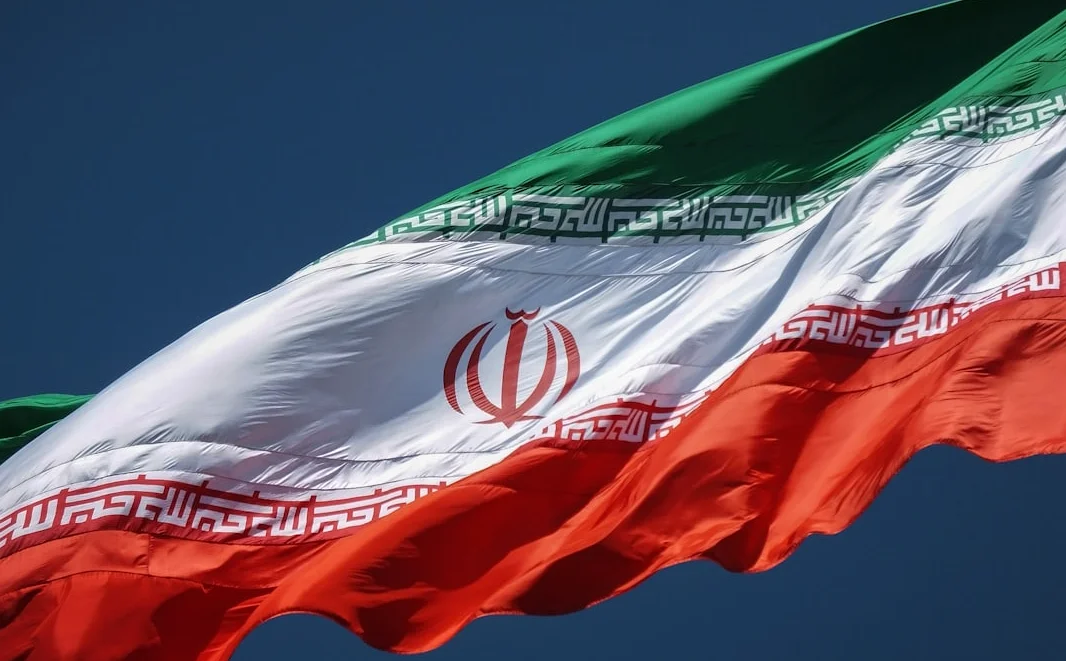
Iran has claimed the interim agreement as a victory, while critics and independent experts have argued the terms heavily favor Tehran. Trump, while calling the deal “very strong,” acknowledged it was signed to prevent “economic catastrophe” and a global “depression.”
War Ends, but Details Remain
According to a report from SZ.de, the U.S. and Iran have agreed to end the war, though the details of a “Memorandum of Understanding” are still to be finalized. The document was initially set to be formally signed in the Swiss Alps, but the U.S. and Iran have reportedly already signed the agreement, and it is in effect. The Swiss government had planned for a formal signing ceremony on Friday, but the details remain unclear.
Pakistan’s Prime Minister Shehbaz Sharif initially confirmed the deal had been signed by both sides and would take immediate effect, but later deleted his statement, omitting the reference to the Swiss ceremony. The agreement, a framework for a future deal, will be the basis for further negotiations.
Economic Impacts and Oil Prices
The deal has already affected global markets. Oil prices fell sharply on Thursday, reaching a 3.5-month low, as the Strait of Hormuz reopened and oil exports resumed. Trump tweeted, “Ships of this world, start your engines! Let the oil flow!”
Economists suggest the end of the war could stabilize global oil prices and reduce inflation. Timo Wollmershäuser of the Ifo Institute said, “An end to the war would have positive effects on the economy. Initially, world market prices for crude oil and natural gas would fall, causing inflation rates to fall immediately and consumers’ purchasing power to return.”
Goldman Sachs has cut its price forecast for Brent crude to $80 a barrel in Q4, down from $90, and expects Persian Gulf crude exports to return to pre-war levels by the end of July. The International Energy Agency (IEA) also warned that the Iran war’s impact on global oil demand will be deeper than previously anticipated, with world oil consumption expected to decline by -1.1 million bpd this year.





Comments
No comments yet
Be the first to share your thoughts