

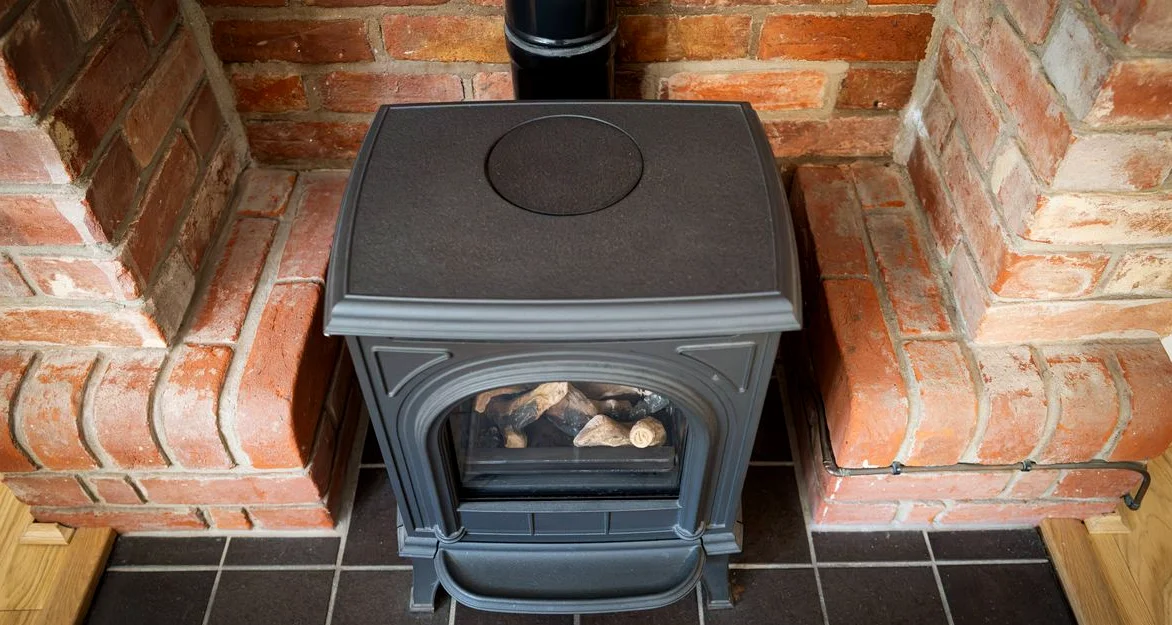
Owners of wood-burning stoves in parts of England may soon face stricter regulations under proposed legislation aimed at reducing indoor air pollution and improving public health. The Environmental Improvement Plan (EIP), revealed by the Labour Party, outlines a range of measures designed to cut emissions, with a focus on domestic combustion sources such as wood burners and solid fuel stoves.
Impact on Domestic Heating and Air Quality
The proposed rules would prohibit the sale of older wood-burning stove models that do not meet new emissions standards. However, existing stoves would not be banned, offering a gradual transition for current users. The government has stated it will consult on measures to reduce the environmental impact of domestic burning, including in stoves and bonfires, as it publishes the revised EIP in December.
According to the EIP, the burning of solid fuels is a significant contributor to national emissions of fine particulate matter (PM2.5), a pollutant linked to asthma, lung disease, and heart conditions. The World Health Organisation (WHO) reports that air pollution is responsible for 6.7 million premature deaths annually, with PM2.5 being the most harmful pollutant to human health.
Labour’s consultation on the EIP includes proposals for Smoke Control Areas, which already restrict the types of solid fuel that can be burned in log burners, fireplaces, and chimneys in certain parts of England. These areas could face even stricter rules to further reduce PM2.5 emissions. The government also aims to align the UK’s PM2.5 standards with those of the European Union, a goal that was not achieved under the previous EIP released by the Conservatives in 2023.
Health and Environmental Concerns Drive Policy Change
The proposed measures have been welcomed by environmental advocates and families affected by air pollution. Rosamund Kissi-Debrah, whose daughter Ella died in 2013 from an asthma attack attributed to air pollution, has praised the new PM2.5 target as a significant step forward. She has long campaigned for “Ella’s Law,” legislation that would require the government to deliver clean air across England by 2030.
“It’s not quite Ella’s Law yet, but it’s a step in the right direction,” she told the Press Association. “Anything that’s going to improve the air, and that means less children are going to be hospitalised and less children are going to die, I am always going to be for it.”
According to official figures, a fifth of PM2.5 emissions in 2023 originated from domestic combustion, highlighting the urgent need for stricter regulations. The government has strengthened its target to reduce PM2.5 concentrations by 30% by 2030, compared to 2018 levels. This goal aligns with the WHO’s air pollution guidelines and reflects a growing awareness of the health risks associated with indoor and outdoor air pollution.
Industry Response and Future Implications
Industry representatives have expressed support for the proposed changes, emphasizing that many modern wood-burning stoves already meet the new emissions standards. Calvin May, head of technical services at HETAS, which represents the solid fuel sector, stated that wood burners, multifuel stoves, and pellet stoves that meet Cleaner Choice standards already align with the potential EIP targets.
“Labour’s move to tighten PM2.5 targets and consult on how to effectively reduce emissions from domestic burning is a necessary and welcome step,” May said. “We urge policymakers to focus on practical, enforceable solutions that are aligned with industry professionals. This will accelerate the transition to less polluting technologies while supporting stove owners to make informed choices about how they burn, what they burn, and when they burn.”
The government has also indicated that the consultation will seek to minimize the impact of these changes on those who rely on burning wood, while respecting traditional celebrations such as Bonfire Night and Diwali. The Welsh Government noted that some of the measures proposed in the EIP could be extended to a UK-wide basis, though others would apply only in England.
Public consultation on the EIP is ongoing, with the government directing interested parties to Defra.gov.uk for more information. The final decisions on the proposed regulations are expected to be made following the consultation period, which will provide input from stakeholders, including residents, industry experts, and environmental organizations.
The proposed changes mark a significant shift in environmental policy, reflecting a growing emphasis on public health and climate action. As the consultation progresses, the government will need to balance the need to reduce pollution with the concerns of those who rely on wood-burning stoves for heating and traditional celebrations.






Comments
No comments yet
Be the first to share your thoughts