

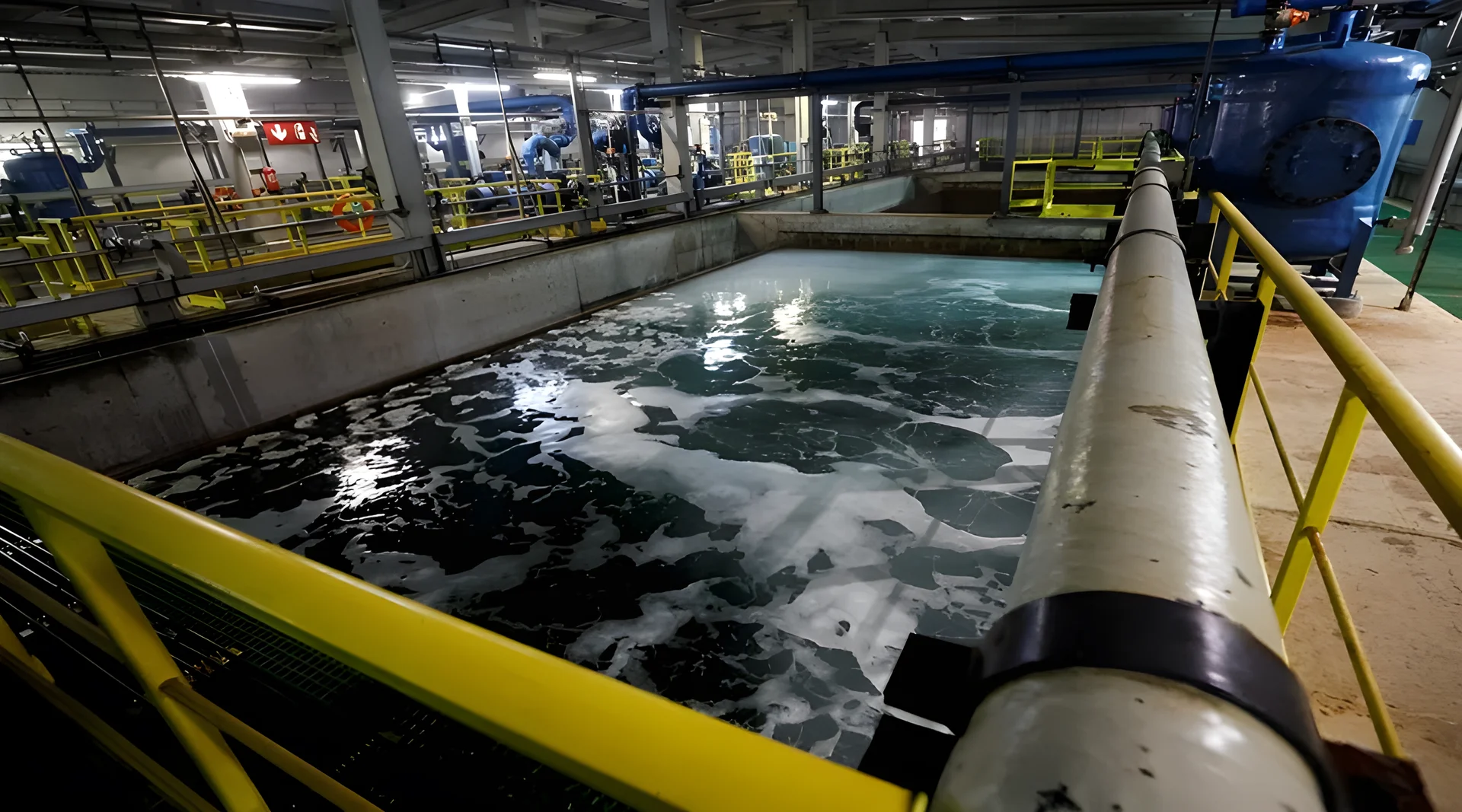
eThekwini Municipality in KwaZulu-Natal is maintaining its water rationing strategy across large parts of its jurisdiction to help stabilize reservoir levels. The city has been grappling with water shortages since a critical valve at Nagle Dam was damaged, limiting the flow of raw water to the Durban Heights Water Works. This has disrupted the treatment process, affecting the overall distribution network.
Impact on Residents and Daily Life
The water rationing has significantly affected the daily lives of eThekwini’s residents, many of whom now rely on alternative water sources such as bottled water or water tankers. According to the municipality, the affected areas include parts of the city such as Umhlanga, Northcliff, and Hillcrest, where households are being supplied with water for only two days a week. The situation has led to long queues at designated water collection points, with some residents traveling up to 20 kilometers to access clean water.
Local businesses have also been impacted, particularly those in the hospitality and food service sectors that depend on a steady water supply. Restaurant owners have reported a decline in customers due to the inconvenience of obtaining water. In some cases, businesses have had to close temporarily or operate at reduced capacity.
Mayor’s Response and Repair Efforts
Mayor Cyril Xaba convened an urgent executive committee meeting with Umngeni-Uthukela Water, the bulk water supplier, to address the supply disruptions. According to Xaba, repairs to the damaged valve at Nagle Dam have now been completed. This is expected to allow the Durban Heights Water Works to process the maximum volume of water and begin replenishing the broader distribution network.
However, Xaba cautioned that the full recovery of the reticulation system will take a period of two weeks. This means that while the immediate crisis has been mitigated, the water rationing is likely to continue for some time. The mayor emphasized the importance of public cooperation in conserving water to accelerate the recovery process.
Residents have been advised to avoid non-essential water usage, such as watering gardens or washing cars, and to report leaks or other issues promptly. The municipality has also launched a public awareness campaign through social media and community meetings to educate residents on water conservation techniques.
Historical Context and Previous Challenges
Water supply issues in eThekwini are not new. The city has faced intermittent water shortages in recent years, particularly during the 2018 drought, when the region experienced severe water restrictions. At that time, the municipality implemented a three-day-a-week water supply schedule, which had a significant impact on daily life and economic activity.
The current situation has been exacerbated by a combination of factors, including aging infrastructure, population growth, and the effects of climate change. According to a 2021 report by the Department of Water and Sanitation, eThekwini’s water demand is projected to increase by 30% over the next decade, putting additional pressure on the existing supply systems.
Experts have warned that without significant investment in infrastructure upgrades and sustainable water management practices, the region could face recurring water crises. The report also highlighted the need for improved rainfall capture and storage systems to mitigate the impact of drought periods.
Looking Ahead: What’s Next for eThekwini
With repairs to the Nagle Dam valve now complete, the focus has shifted to the gradual restoration of the water supply system. According to Umngeni-Uthukela Water, the next phase involves monitoring the flow of water through the treatment plant and ensuring that the distribution network can handle the increased volume without further disruptions.
The municipality has also announced plans to conduct a thorough audit of its water infrastructure to identify and address any potential vulnerabilities. This includes inspecting other critical valves and pipelines in the system to prevent similar incidents in the future.
Additionally, eThekwini is exploring long-term solutions to enhance water security, including the development of new reservoirs and the implementation of rainwater harvesting systems. These measures are expected to be part of a broader strategy to ensure a sustainable water supply for the city’s growing population.
Residents are being encouraged to stay informed about the progress of repairs and water rationing schedules through the municipality’s website and social media channels. Updates are expected to be released weekly, providing clarity on the current status of the water supply and any changes to the rationing plan.
The situation highlights the importance of proactive water management and infrastructure maintenance in urban areas. As the global population continues to grow and climate change intensifies, cities like eThekwini will need to adopt innovative strategies to meet the increasing demand for clean water while ensuring the resilience of their supply systems.






Comments
No comments yet
Be the first to share your thoughts