

 BBC
BBC 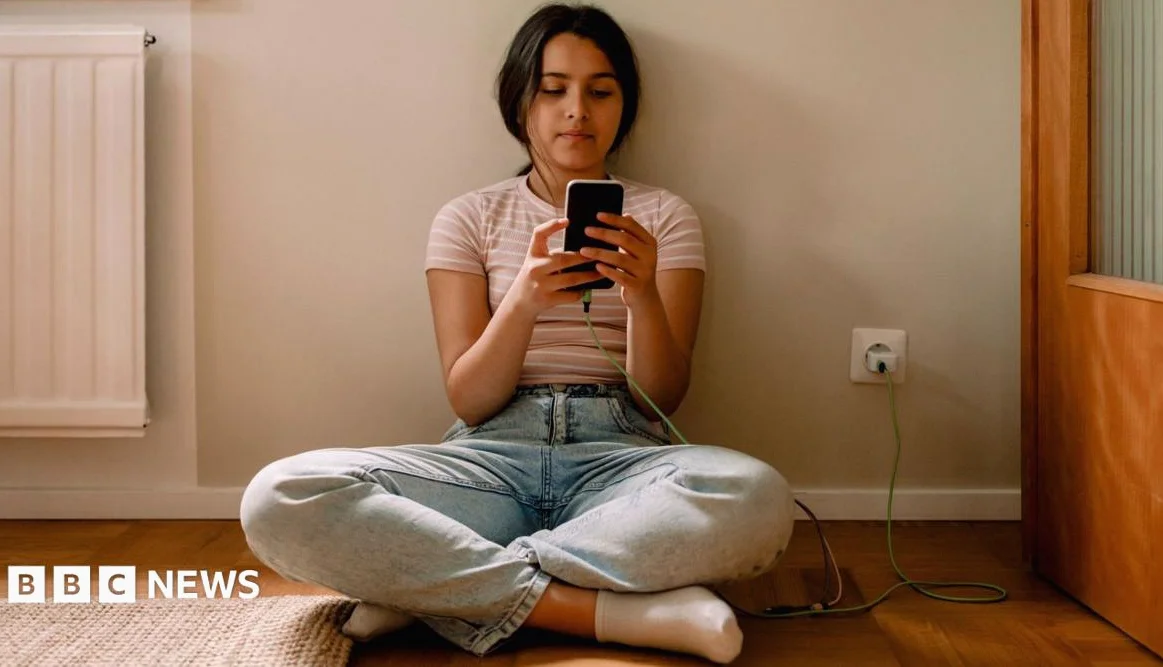
The European Union has proposed a new plan to limit social media access for children under the age of 15, aiming to improve online safety and overall wellbeing. The initiative includes a ban on under 13s from accessing social media platforms and restrictions for those aged 13 to 15, who would only be allowed one hour of access per day through a “mini account” set up by a parent or guardian.
EU’s Strategy for Social Media Restrictions
Under the proposed legislation, known as the EU Kids Act, social media companies would need to demonstrate that their platforms are safe by design or face fines of up to 6% of their global sales. EU Commission President Ursula von der Leyen emphasized that the move would “put parents back in the driving seat” and give them the tools to help children handle a safer digital world.
Von der Leyen highlighted concerns about children being exposed too early to an online environment where bullying can follow them home and where every mistake can be recorded forever. The restrictions would apply to popular platforms such as TikTok, Instagram, Snapchat, YouTube, AI chatbots, and online games.
Challenges and Concerns
While the EU has outlined a clear framework, there are questions about how the legislation will be enforced; some critics have raised privacy concerns, worried that teenagers may be forced to submit personal information during an age verification process. The European Commission has stated that age verification would be conducted using the EU’s existing app, with no personal data collected or shared.
France and Spain have already introduced their own measures to restrict social media for children, but the new EU legislation would supersede these, as However, individual member states could still implement stricter or more lenient policies. For example, the Macron government’s initial attempt to ban social media for under-15s was blocked by France’s top court, which ruled that it infringed upon freedom of expression. French ministers have since revised their approach.
Broader Implications and Precedents
The proposed EU legislation builds on previous actions and findings, including a 2023 decision requiring Meta to change the “addictive” design of Facebook and Instagram or face heavy fines. The European Commission cited concerns over features such as infinite scroll, autoplaying videos, and personalized recommendations that encourage compulsive use, particularly among children and teens.
Meta has disputed the findings, stating that they do not accurately reflect the company’s efforts to protect teenagers. Separately, Meta reached a $18 billion settlement with U.S. states and territories to resolve claims that Facebook and Instagram harmed children, though the company denied any wrongdoing.
Von der Leyen noted that the EU looked to Australia’s experience as a reference, where a ban on social media for under-16s was introduced last year. However, enforcement has proven challenging, with no tech company fined despite research showing many under-16s still using the platforms; a similar ban for under-16s is set to take effect in the UK in spring 2025.




Comments
No comments yet
Be the first to share your thoughts