

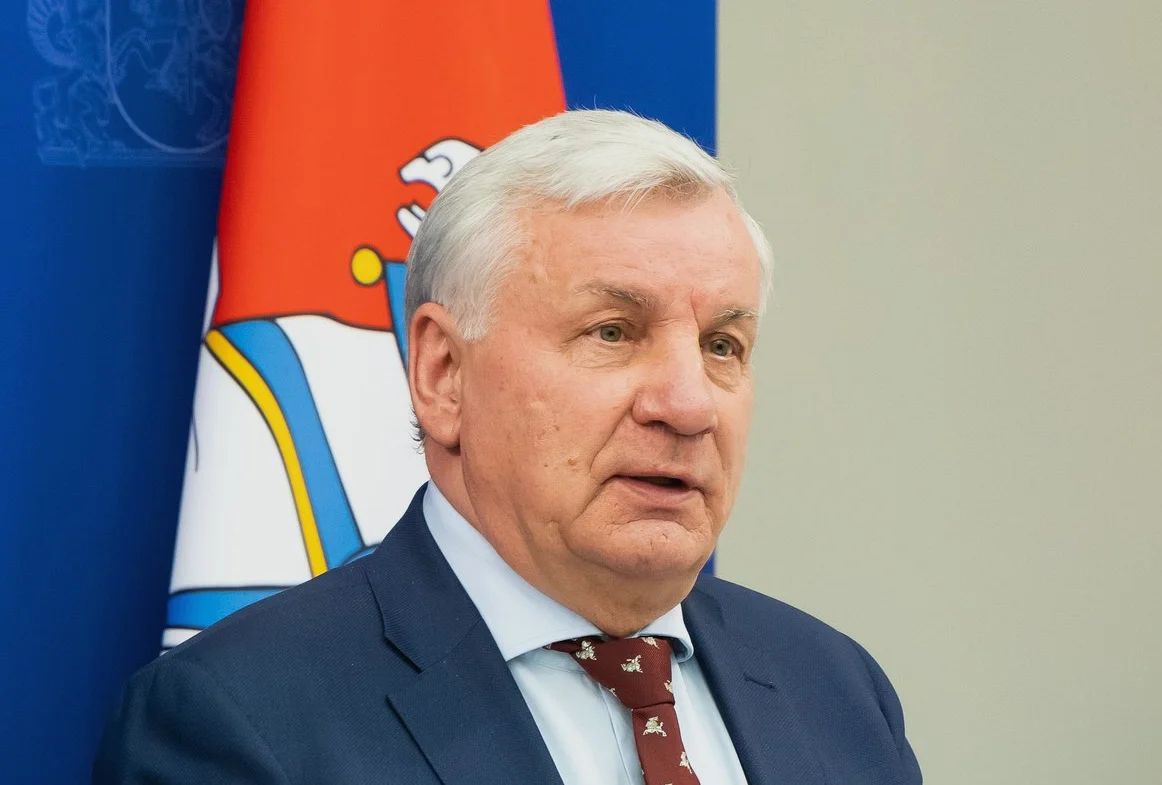
The European Union is set to establish a specialized working group to address the growing threats posed by drones and balloons, according to Rimantas Sinkevičius, head of Lithuania’s National Security and Defence Committee (NSGK). The group will examine countermeasures and possible funding to combat these emerging security risks, which have become increasingly prevalent across the region.
Context of the Threat
The decision follows a European Commission action plan revealed in February 2024 aimed at tackling the rising security concerns linked to drones. While the plan primarily focuses on drones, it also includes threats from balloons used in hybrid activities, such as smuggling. This expansion of scope was largely driven by Lithuanian diplomats, who highlighted the unique challenges faced by their country.
Sinkevičius emphasized that the inclusion of balloons in the initiative was a direct result of Lithuania’s diplomatic efforts. ‘Balloons were added thanks to Lithuanian diplomacy, as no other country faces this type of hybrid threat as acutely as Lithuania,’ he said during a press briefing following a committee meeting. The NSGK has welcomed the elevation of this issue to the European level, signaling a broader recognition of the threat across the bloc.
Lithuania has been at the forefront of addressing balloon threats, which have been used in various hybrid operations to bypass traditional border security. In recent years, the country has reported several incidents involving balloons carrying contraband or surveillance equipment, raising concerns about national security. These incidents have prompted Lithuania to push for a coordinated EU response.
Impact on Trade and Security
The formation of this working group is expected to have significant implications for both trade and national security across the EU. Drones have become a common tool for smuggling, while balloons have been used to circumvent border controls, particularly in regions with porous borders. The economic impact of such activities is substantial, with estimates suggesting that illicit trade through these means has cost the EU billions of euros in lost revenue and increased law enforcement costs.
‘This working group will look at measures to counter drones and balloons, as well as financing options,’ Sinkevičius said, highlighting the need for a thorough strategy that includes both technological and financial components. The group will explore the development of advanced detection systems, improved border surveillance, and the allocation of funds to support member states in implementing these measures.
According to a European Commission report published earlier this year, the number of drone-related incidents in the EU has increased by 42% since 2020. Balloon threats, while less frequent, have shown a 65% increase in the past three years, with most incidents concentrated in the Baltic states. The report also noted that these threats are often linked to organized crime and have the potential to undermine the EU’s internal security.
The working group will also consider the economic implications of these threats. For example, the smuggling of goods through balloons has disrupted legitimate trade routes, leading to increased costs for businesses and consumers. In Lithuania alone, the estimated loss due to such activities is over €150 million annually, according to a 2023 study by the National Security and Defence Committee.
What Analysts Say
Experts in security and trade policy have welcomed the EU’s decision to form the working group but have also raised concerns about the effectiveness of the proposed measures. ‘The challenge is not just in identifying the threats but also in developing a coordinated response that involves all member states,’ said Dr. Anna Müller, a security analyst at the European Institute of Security Studies.
Müller emphasized that while the EU has made progress in addressing drone-related threats, the inclusion of balloons is a new and complex issue. ‘Balloons are difficult to detect and track, and their use in hybrid operations requires a different approach compared to traditional smuggling methods,’ she said. ‘The working group will need to develop specialized technologies and protocols to address this unique challenge.’
According to the European Commission, the working group is expected to meet for the first time in the coming weeks, with the goal of finalizing a thorough strategy by the end of 2024. The group will consist of representatives from each EU member state, as well as experts in drone and balloon technology, border security, and economic policy.
Sinkevičius has called for the group to act swiftly, noting that the threat is evolving rapidly. ‘We cannot afford to wait while these threats grow,’ he said. ‘The time for action is now.’
The formation of the working group is a significant step in the EU’s efforts to address hybrid threats and enhance internal security. As the group moves forward, it will be closely watched by member states, security experts, and the public, who are increasingly aware of the risks posed by these emerging technologies.





Comments
No comments yet
Be the first to share your thoughts