

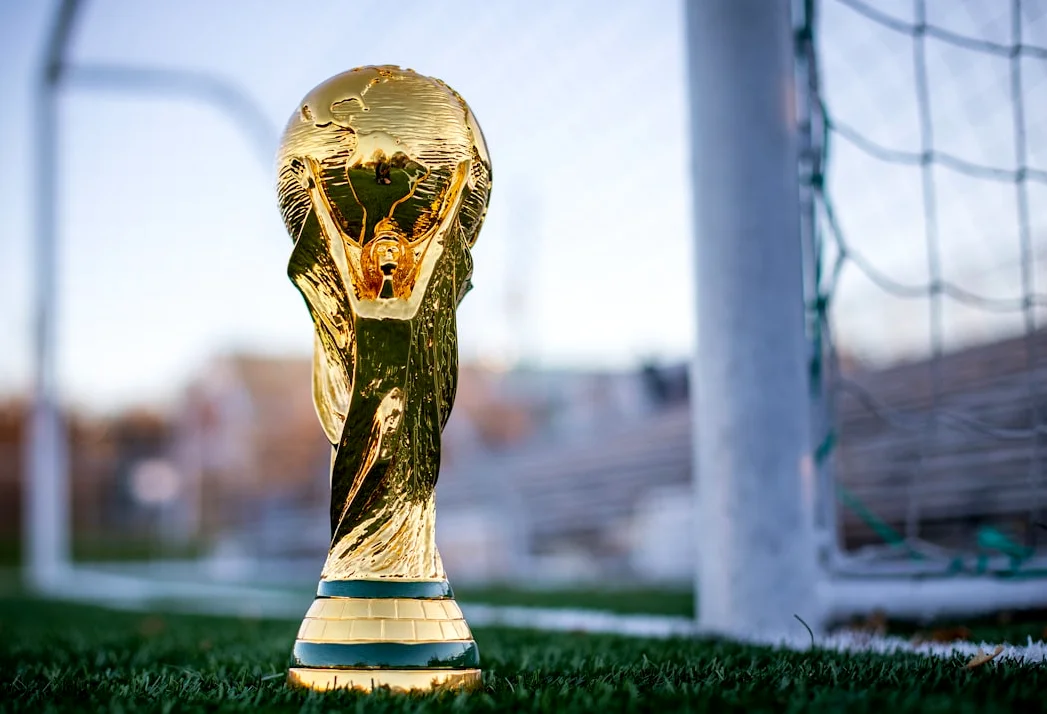
A total of 20 matches ended in draws during the group stage of the 2026 World Cup; such results won’t be possible moving forward, and Teams will now have to play until there is a winner as the World Cup enters its knockout stage, according to USA Today.
Extra Time Structure and Format
Extra time at the 2026 World Cup will last a total of 30 minutes — plus stoppage time — divided into two, 15-minute halves, though each half will end with added stoppage time depending on match conditions. This format means that the entire 30-minute period will be played, and there is no sudden death provision. FIFA included a “Golden Goal” rule at the 1998 and 2002 World Cups but removed it in recent years, as reported by USA Today and FOX Sports.
Extra time is only used in the knockout rounds of the tournament, starting with the Round of 32; In the group stage, teams can still finish with a draw if the score is tied, according to FOX Sports.
Penalty Shootout Rules
If the match remains tied after extra time, the contest will be decided by a penalty kick shootout; each team is slated to have a baseline of five attempts in the penalty shootout. If the match remains tied after the first five penalties, the shootout becomes sudden death, meaning the first team to score with a penalty when the opponent does not wins the match, according to SB Nation.
Substitution rules also expand during extra time. Teams may use one additional substitute and gain an additional substitution opportunity, regardless of whether they have used the maximum number of five allowed substitutes or three substitution opportunities. This change was made to maintain the pace of play during extended matches, as reported by SB Nation.
World Cup Format and Predictions
For the first time in World Cup history, the number of competing teams has been expanded from 32 to 48; the tournament will feature 104 matches and will be hosted by Canada, the United States, and Mexico, according to SBS Australia. It will run from June 11 to July 19, with the group stage featuring 12 groups of four teams, though the top two and the top eight third-placed teams will move on to the knockout round.
One notable prediction comes from a model forecasting the Netherlands as the potential winner of the tournament; the Netherlands has never won a World Cup but were runners-up in the 1974, 1978, and 2010 finals. Currently, they sit seventh in FIFA’s men’s world rankings. According to SBS Australia, the model found the Netherlands to have a very difficult path to the final, but still predicted a victory.
Elsewhere in soccer, the Women’s Soccer Empress’s Cup in Japan saw Sanfrecce Hiroshima secure their first-ever championship. Yoshino Nakashima scored the winning goal in the final match and displayed sharp dribbling, with her performance being compared to Samurai Blue’s Kaoru Mitoma. Her play was seen as a promising sign for her future in national soccer, as noted in a Japanese-language report.





Comments
No comments yet
Be the first to share your thoughts